






The City That Never Cools
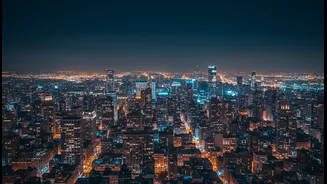
Across India's bustling metropolises, a silent threat is growing more potent after sunset. The phenomenon, known as the Urban Heat Island (UHI) effect, describes how cities are significantly warmer than their surrounding rural areas. While daytime heat
is a familiar foe, data increasingly shows that the real danger often emerges at night. Materials like concrete and asphalt, which form the very foundation of our cities, are excellent at absorbing the sun's energy. During the day, they act like massive sponges for solar radiation. As night falls, they begin to slowly release this stored heat, preventing the city from cooling down and creating elevated temperatures that persist long after midnight. This process means that nighttime no longer offers a natural period of recovery from the day's heat, leading to prolonged thermal stress.
Data Reveals a Sleepless Nation
Recent multi-city studies paint a stark picture of this nocturnal heat. One analysis found that nighttime temperatures in urban India are rising almost twice as fast as in the countryside. This isn't a minor inconvenience; it's a public health challenge. A July 2026 report by Climate Central, a climate advocacy group, linked rising nighttime temperatures directly to sleep loss. In some of India's largest cities, residents are losing a significant number of sleeping hours annually, with Chennai (93 hours), Mumbai (84 hours), and Delhi (67 hours) topping the list. Even cities once known for pleasant nights, like Bengaluru, have seen sleep loss increase, with a growing portion of that loss attributed directly to climate change and urbanization. The data is clear: the physical structure of our cities is actively robbing residents of essential rest.
The Human Cost of Midnight Heat
This persistent nighttime heat places a considerable 'strain' on human health. The body needs to cool down during sleep to recover and repair itself. When the ambient temperature remains high, this recovery process is interrupted. The immediate effects include discomfort, fatigue, and lower productivity. But the long-term consequences are far more severe. Chronic sleep deprivation is linked to a host of serious health issues, including hypertension, diabetes, heart disease, and weakened immunity. High night temperatures exacerbate these risks and can increase the danger of heat stroke, as the body never gets a chance to escape the thermal stress. This strain extends beyond our bodies to our infrastructure, leading to increased demand for air conditioning, which puts pressure on energy grids and further contributes to waste heat.
The Culprit: Concrete and Density
The heart of the problem lies in our urban design. Concrete and asphalt can absorb up to 95% of the sun's energy. These materials have a high thermal conductivity, meaning they store heat during the day and radiate it back into the atmosphere at night, keeping the air warm. This effect is magnified in densely packed city blocks, where tall buildings trap the radiated heat and block cooling breezes. The lack of green spaces, which provide shade and cooling through evapotranspiration, makes the situation worse. Studies have found a strong correlation between the percentage of impervious, or non-porous, surfaces in a city and the intensity of its nighttime heat island. For instance, cities like Ahmedabad and Jaipur have shown intense nighttime UHI effects, with temperatures several degrees warmer than their rural surroundings.
Searching for Cooler Solutions
While the data is concerning, it also points toward solutions. Since the problem is rooted in urban materials and design, the solutions must be too. Cities and researchers are exploring strategies to mitigate the midnight heat strain. These include implementing 'cool roofs' made of reflective materials that absorb less solar energy, and using permeable pavements that allow water to evaporate and cool the surface. Expanding urban greenery by planting more trees and creating parks is another critical strategy, as even small green spaces can significantly lower local temperatures. Updating urban planning policies to include ventilation corridors that allow air to circulate can also help dissipate trapped heat. The goal is to redesign our cities to work with nature, rather than against it, creating healthier and more livable environments for all residents.