





The Solo Dweller's Food Dilemma
Cooking for one can feel inefficient. Recipes are often designed for families, leaving you with awkward leftovers or half-used vegetables that wilt in the fridge. The alternative is often turning to food delivery apps. While convenient, the costs are substantial.
A single meal ordered online can cost anywhere from ₹200 to over ₹300 after delivery fees, platform charges, and taxes are added. Ordering just twice a week can add thousands to your monthly expenses. In contrast, a simple home-cooked meal can cost as little as ₹60-₹85. The problem isn't the cost of groceries; it's the perceived effort and potential for food waste that makes daily cooking for one feel unsustainable.
The Solution: A Versatile Curry Base
This is where batch cooking a master curry base comes in. It’s a strategy used by restaurants to serve a wide variety of dishes quickly. The concept is simple: you prepare a large quantity of the foundational sauce—typically made from slowly cooked onions, tomatoes, ginger, and garlic—and store it. This neutral base becomes your secret weapon for countless meals. By investing an hour or two on a weekend, you create a supply of ready-to-use sauce that can be transformed into a fresh meal in minutes. It’s the ultimate kitchen hack for anyone who wants delicious, home-cooked food without the daily grind of starting from scratch.
The Real Economics of Batching
The financial argument for this method is compelling. Firstly, buying ingredients in larger quantities is often more economical. A whole kilogram of onions or tomatoes is cheaper per unit than buying just two or three at a time. Batch cooking ensures these are all used at once, eliminating food waste. Secondly, you drastically reduce your reliance on expensive takeaways. When a delicious curry is only 15 minutes away, the temptation to spend ₹250 on an impulse order vanishes. Finally, you save on energy costs. Cooking one large batch is more efficient than firing up the stove every single day for a small meal. This single habit directly tackles the main financial drains of a solo kitchen: impulse spending and food waste.
How to Make Your Base Versatile
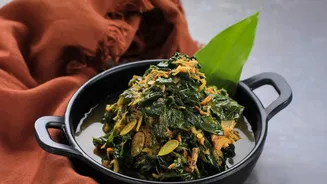
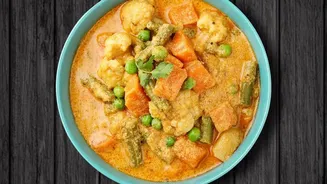
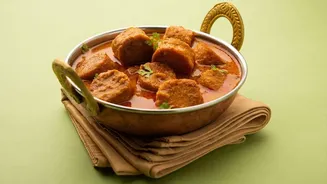
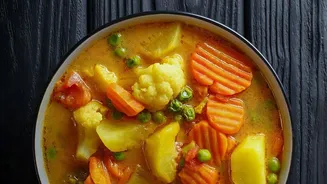
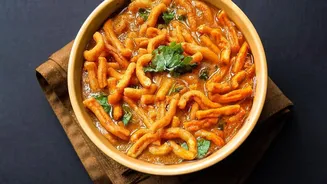
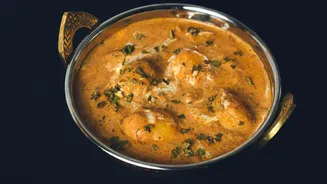
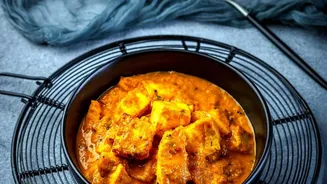
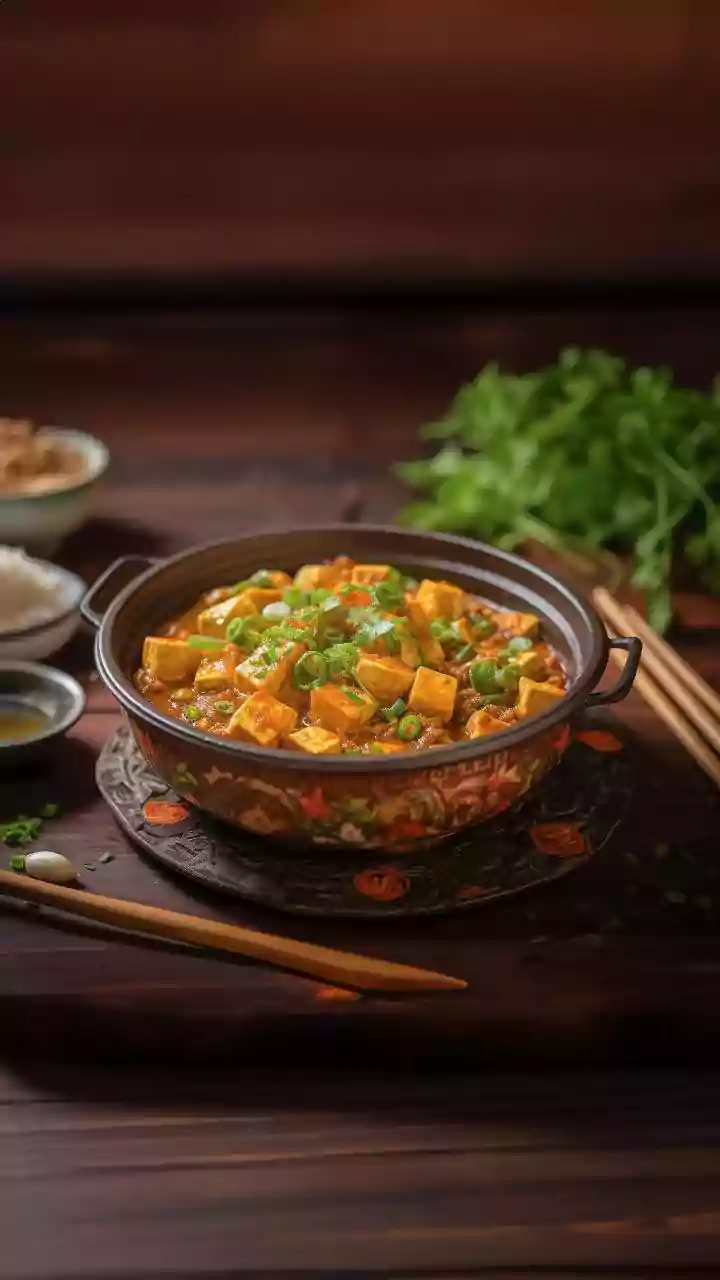
The key to a successful curry base is keeping it neutral. During the batch cooking process, focus on the core ingredients: onions, tomatoes, ginger, garlic, and perhaps turmeric and salt. Cook this mixture down until the oil separates, creating a rich, concentrated paste. Avoid adding strong, defining spices like garam masala, kasuri methi, or dairy like cream or yoghurt to the main batch. These can be added later, when you're preparing the final dish. This approach allows your single base to become anything you want it to be. One night, add chickpeas and spinach for a simple chana saag. Another night, add paneer and a touch of cream for a quick paneer makhani. The base adapts to your cravings, not the other way around.
Storage is Simple and Effective
Once your base has cooled completely, portioning is crucial for convenience. You can store it in airtight containers in the refrigerator, where it will last for up to a week. For longer-term storage, the freezer is your best friend. Spoon the paste into ice cube trays; once frozen, you can transfer the cubes into a zip-lock bag. This allows you to grab exactly the amount you need for a single serving. A couple of cubes are usually enough for one person. When you're ready to cook, you can either thaw them or simply drop the frozen cubes directly into a hot pan with a splash of water.