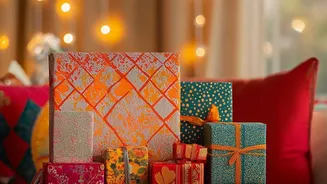






The ritual of gifting is changing in urban India. Where shiny boxes once held the ultimate surprise, today’s most coveted gifts can't be wrapped. A quiet but significant shift is underway as Indians increasingly choose experiences over objects.
From Possessions to Lasting Memories
For generations,
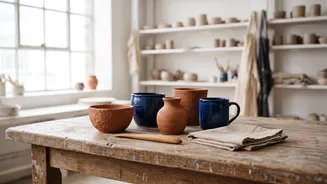
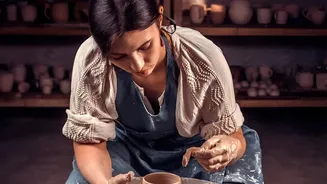
gifting in India revolved around tangible items: clothes, electronics, jewellery, or the customary box of sweets. While these still hold a place, a new currency of connection is emerging, especially among millennials and Gen Z. This shift is rooted in a changing definition of value, where the focus is moving from what you own to what you've done. An experience—be it a weekend getaway, a pottery workshop, or a gourmet cooking class—creates a shared memory that often outlasts the novelty of a physical product. Experts note this reflects a broader cultural change where personal growth and fulfillment are prioritized over accumulating things.
The Instagram Effect and Social Currency
In a digitally connected world, experiences have become highly visible. Social media platforms have turned personal activities into shareable stories, influencing how younger people approach celebrations. A stunning photo from a hot air balloon ride or a video of a surprise scuba diving trip holds significant social currency. This isn't just about showing off; it's about crafting an identity tied to a life rich with activity and adventure. As one sociologist notes, status is increasingly linked to experiences that can be celebrated in the public eye, rather than just the quiet accumulation of goods. This makes an experience not just a gift for the recipient, but a story for their social circle.
The Minimalist Mindset and Battling Clutter
The trend towards experiential gifting also aligns with a growing consciousness around consumerism and sustainability. Many urban Indians are actively trying to reduce clutter in their homes and lives. The idea of receiving another item that requires space and maintenance can feel more like a burden than a blessing. Gifting an experience is an elegant solution to this modern dilemma. It offers all the thoughtfulness of a traditional present without adding to physical possessions. This conscious choice is particularly strong among younger generations who are swapping quick buys for more intentional and meaningful gestures.
A Booming Experience Economy
This consumer shift is supported by a rapidly growing 'experience economy'. India's live events sector alone is projected to grow significantly, while the overall experience market, spanning travel, dining, wellness, and sports, is set to reach hundreds of billions of dollars by 2030. Entrepreneurs and companies have responded with a vast array of curated options. Platforms now offer everything from private guided city tours and wellness retreats to adventure sports and culinary masterclasses. This makes it easier than ever for gift-givers to find a unique and highly personalized activity that perfectly matches the recipient's interests, transforming a generic gift into a deeply personal one.
What Does an Experience Gift Look Like?
The options are as diverse as the interests of the people receiving them. For the foodie, it might be a seat at an exclusive chef's table or a street food tour through Old Delhi. For the adventurer, it could be a paragliding session, a weekend trek, or an overnight camel safari under the stars. Wellness enthusiasts might receive a voucher for a luxurious spa day or an Ayurvedic treatment. Even at-home experiences, like DIY kits or date-night hampers, are gaining popularity, proving that a memorable gift is less about the price tag and more about the thought and connection behind it.