




The Narrative Art of Pattachitra
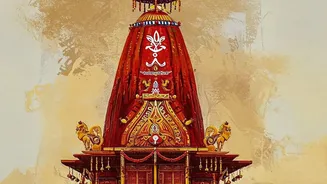
Pattachitra, one of India's oldest art forms, is a tradition of scroll painting on a specially prepared cloth canvas, or 'patta'. Its roots are deeply intertwined with the worship of Lord Jagannath in Puri, dating back over a thousand years. Historically,
these paintings were used in temple rituals, especially during the 'Anasara' period, when the temple deities are in seclusion and painted images serve as substitutes for worship. The art is known for its intricate details, mythological narratives, and the use of 100% natural colours derived from minerals and plants, like crushed conch shells for white and lamp soot for black. Every painting, framed by a decorative floral border, tells a story from epics like the Ramayana and Mahabharata, or the life of Lord Krishna.
Raghurajpur: A Village of Artists
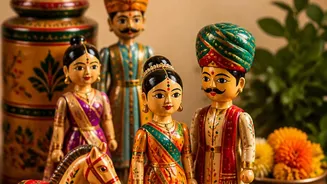
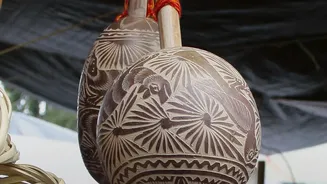
To truly experience Pattachitra, a trip to Raghurajpur is essential. Located just 14 km from Puri, this is India's first designated heritage crafts village, where almost every home doubles as an artist's studio and gallery. Walking through its two main streets, you will find houses adorned with vibrant murals and artisans engrossed in their work, painting on cloth, dried palm leaves (Tala Pattachitra), coconuts, and wooden toys. This village is not just a hub for Pattachitra; it is a living museum of Odia culture and the birthplace of the legendary Odissi dancer, Guru Kelucharan Mohapatra. Interacting with the artists and buying directly from them offers a unique insight into a craft passed down through generations.
Pipili's Riot of Colourful Appliqué
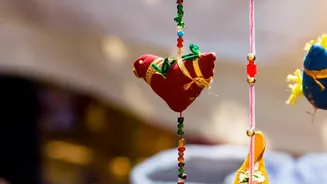
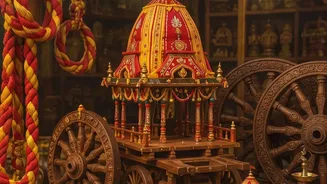
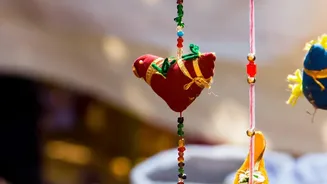
A short drive from Bhubaneswar on the way to Puri lies the town of Pipili, famous for its appliqué work, known locally as 'Chandua'. This craft involves stitching colourful pieces of cloth onto a base fabric to create vibrant and intricate designs of animals, flowers, and deities. Traditionally, this art form is also linked to the Jagannath Temple, where its creations are used for the canopies and coverings of the chariots during the annual Rath Yatra. For travellers, Pipili is a visual delight, with its streets lined with shops selling brightly coloured garden umbrellas, lampshades, bags, and wall hangings. This handicraft holds a Geographical Indication (GI) status, marking its unique origin and quality.
The Delicate Silver Filigree of Cuttack
In the 'Silver City' of Cuttack, you will discover Tarakasi, the exquisite art of silver filigree. Believed to be over 500 years old, this craft involves twisting fine threads of silver, often thinner than a human hair, into delicate, lace-like patterns. Artisans create a stunning range of products, from traditional jewellery like earrings and pendants to decorative items and religious artifacts. Tarakasi work is so intricate that it is often mistaken for being machine-made, but it is a testament to the incredible hand-skill of Cuttack's artisans. This GI-tagged craft is a must-see for anyone interested in fine jewellery and metalwork.
Dhokra, Terracotta, and More
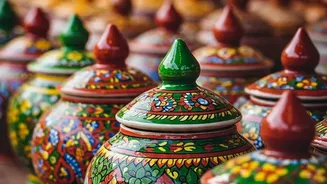
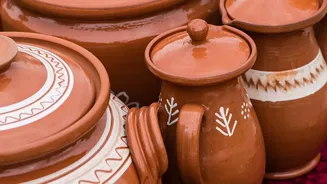
Odisha's craft repository extends far beyond these three traditions. Be sure to look for Dhokra, a lost-wax metal casting technique practiced by tribal communities, which produces beautiful figurines with a rustic, antique finish. The state also has a strong tradition of terracotta pottery, creating both utilitarian and decorative items that reflect an earthy charm. Other notable crafts include stone and wood carving, reminiscent of the state's magnificent temple architecture, and palm leaf engraving, an ancient art form that is a specialty in Raghurajpur.
Tips for the Thoughtful Traveller
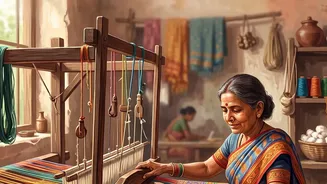
When buying handicrafts in Odisha, aim to purchase directly from the artisans in craft villages like Raghurajpur and Pipili. This ensures they receive a fair price for their labour. At markets like Ekamra Haat in Bhubaneswar, you can find a wide variety of authentic crafts under one roof. To identify genuine Pattachitra, look for the natural, earthy finish of the colours and the stiff, leathery feel of the prepared cloth canvas. For handloom and crafts with GI tags, the official label is a sign of authenticity. More than just shopping, take the time to talk to the artisans; learning the story behind the craft makes the souvenir infinitely more precious.