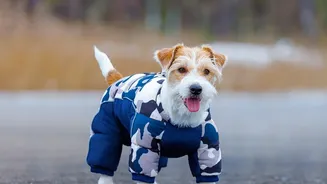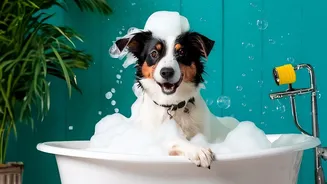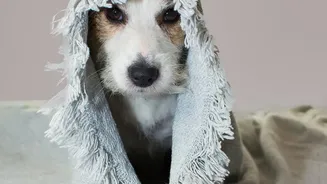

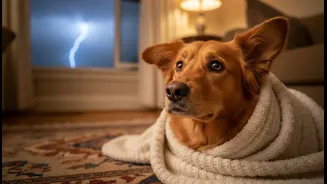


Meticulous Paw Care is Non-Negotiable
Your pet’s paws are on the front line, coming into direct contact with muddy, wet, and often contaminated surfaces. Stagnant water in puddles can be a breeding ground for bacteria and parasites, including the dangerous Leptospira bacteria, which can cause
leptospirosis, a serious disease that can also affect humans. Make it a rule to thoroughly clean and dry your pet’s paws after every single walk. Use lukewarm water and a soft towel, paying special attention to the area between the toes where moisture loves to hide and cause fungal infections. Trimming the hair around the paw pads can also reduce moisture retention and make cleaning easier. For added protection, some vets recommend using a pet-safe paw balm before heading out.
Focus on Coat and Skin Health
The constant humidity during the monsoon means a wet coat can stay damp for hours, creating the ideal environment for fungal and bacterial skin infections. These can manifest as itchy, smelly yeast infections or painful, rapidly spreading 'hot spots' (acute moist dermatitis). Keeping your pet dry is the most crucial preventive step. After any exposure to rain, towel-dry them thoroughly, especially around the underbelly, skin folds, and ears. For dogs with thick or double coats, a hairdryer on a low, cool setting can be a lifesaver. Regular brushing is also essential to remove dirt, prevent matting that traps moisture, and allow air to circulate. It might be wise to bathe your pet less frequently, but when you do, use a vet-approved anti-fungal shampoo.
Step Up Your Parasite Defence
Warm, humid conditions are peak breeding season for ticks and fleas. These aren't just an itchy nuisance; ticks can transmit serious blood-borne diseases like ehrlichiosis and babesiosis, often referred to as 'tick fever', which can cause high fever, lethargy, and can be fatal if not treated promptly. Daily tick checks are not optional during the monsoon. Run your hands all over your pet's body, especially in warm, hidden areas like between the toes, inside the ears, around the neck, and in their 'armpits'. Ensure your pet is up-to-date with their vet-recommended tick and flea prevention treatments, as this is your most effective line of defence.
Adjust Their Diet and Hydration
Digestive issues can become more common during the rainy season. The high humidity can cause dry food to spoil faster, so store it in an airtight container. Provide fresh, clean drinking water at all times, and consider using filtered or boiled water to avoid contamination from supply lines, which can be a risk during heavy rains. Don't let your pet drink from puddles. Some pets drink less in cooler weather, so incorporating wet food can help maintain their hydration levels. A balanced diet rich in easily digestible protein like boiled chicken, along with fibre from sources like pumpkin and carrots, can boost their immune system and support good gut health. Adding a probiotic like plain curd can also help prevent stomach upsets.
Keep Them Engaged Indoors
Fewer walks and less time outdoors can lead to boredom and pent-up energy, which can manifest as behavioural issues. Keep your pet mentally and physically stimulated with indoor activities. A game of indoor fetch with a soft toy, a session of tug-of-war, or practicing new tricks can be a great energy burner. Food puzzle toys and snuffle mats are excellent for mental enrichment, making your pet work for their treats. You can also play hide-and-seek with their favourite toys or treats around the house. These activities not only prevent boredom but also strengthen the bond you share with your pet.
Don't Skip Vet Check-Ins
Prevention is always better than cure. A pre-monsoon vet visit is a great idea to ensure your pet's vaccinations, including the one for leptospirosis, are up to date. Your vet can also recommend the best parasite prevention for your specific area and pet. Pay close attention to any changes in your pet’s behaviour, appetite, or energy levels. Symptoms that seem minor, like excessive scratching, lethargy, or a mild cough, can escalate quickly during this season. If you notice anything concerning, such as persistent vomiting, fever, or a skin lesion that is spreading, consult your vet immediately.