







The New Economic Powerhouses
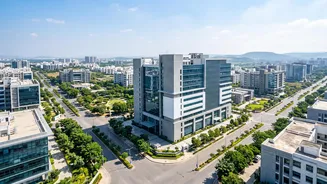
The long-held focus on a handful of metropolitan hubs is giving way to a new reality: India's smaller cities are becoming formidable economic engines. With rising disposable incomes, a growing middle class, and increased discretionary spending, these
urban centers are no longer just on the periphery. This isn't about capturing a niche market; it's about tapping into a massive, underserved consumer base. Reports suggest that these cities already contribute significantly to the national GDP and are poised for even more rapid growth. As markets in Tier 1 cities become saturated with intense competition, brands are finding that cities like Jaipur, Indore, Coimbatore, and Lucknow offer a potent combination of high demand and less competition.
Aspirations Fueled by Digital Access
The digital revolution, powered by affordable smartphones and cheap data, has been a monumental game-changer. Consumers in smaller towns now have the same window to global trends, brands, and lifestyles as their metro counterparts. This exposure, via social media and e-commerce platforms, has fueled a surge in aspirations. They are no longer just curious onlookers; they are active and informed participants in the digital economy. Tier 2 and 3 cities now account for over 60% of all e-commerce transactions in India, a clear signal of their growing confidence and purchasing power online. This shift has democratized access, allowing brands to connect directly with consumers who are hungry for branded goods, from fashion and electronics to personal care.
Infrastructure and Logistics Catching Up
Previously, a major hurdle for brands was the logistical nightmare of serving a geographically dispersed customer base. However, significant government and private investment in infrastructure is changing the game. Initiatives like the development of national highways, new airports under the UDAN scheme, and the creation of economic corridors are drastically improving connectivity to once-remote areas. This physical infrastructure, combined with the rise of sophisticated logistics companies and tech-enabled supply chain solutions, makes it more feasible than ever to manage inventory and ensure timely last-mile delivery. While challenges like poor road quality in some pockets remain, the overall trend is one of greater accessibility, reducing the operational barriers that once kept brands away.
Lower Costs and Untapped Talent
Beyond the consumer market, smaller cities offer significant operational advantages. The cost of doing business—from real estate and warehousing to labor—is substantially lower than in the metros. This allows brands to achieve profitability faster and operate more efficiently. Furthermore, these cities boast a growing pool of skilled talent. As companies establish a presence, they can attract and retain local professionals who might otherwise migrate to larger cities, benefiting from lower attrition and stronger employee loyalty. This creates a virtuous cycle: businesses bring jobs and opportunities, which in turn boosts the local economy and further increases consumer spending power.
Cracking the Local Code
Expansion is not simply a copy-paste of the metro strategy. Successful brands understand that consumers in smaller cities have distinct preferences, values, and buying habits. While they aspire to own national and global brands, their choices are often rooted in local culture and community trust. Winning in this diverse landscape requires a nuanced approach, including localized marketing campaigns, region-specific product assortments, and a pricing strategy that balances aspiration with value. Some brands are achieving this through franchise and distribution expansion, while others leverage digital platforms to tailor their messaging to regional languages and tastes, recognizing that India's next growth story will be told in many different voices.