





The Health and Wellness Imperative
A primary driver of this consumer shift is a heightened focus on health and wellness. Urban Indian consumers, particularly Millennials and Gen Z, are more conscious than ever about what they eat. They are moving beyond just counting calories to scrutinizing
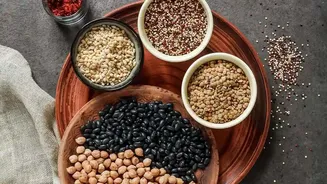
ingredient lists for clean labels, natural ingredients, and the absence of preservatives. This has created a massive opportunity for smaller brands that specialize in organic, gluten-free, vegan, or protein-rich products. Unlike large corporations that cater to the mass market, these agile startups can build their entire brand around a specific health niche, offering products like millet-based snacks, date syrup sweeteners, or functional beverages with added vitamins. This health-first mindset means consumers are willing to pay a premium for products that align with their wellness goals.
A Hunger for Authenticity and Story
Today's consumers are not just buying a product; they are buying into a story. Smaller brands excel at creating narratives that resonate on a personal level. They often highlight their unique origins, the sourcing of their ingredients, or the passion of their founders. This focus on provenance and traceability builds a foundation of trust and authenticity that mass-produced products struggle to replicate. There's a growing appetite for regional specialities and hyper-local flavours that offer an alternative to the uniform taste of large-scale manufacturing. Whether it's a jar of artisanal pickles made from a family recipe or coffee sourced from a single estate, these brands provide a sense of connection and discovery that modern urban consumers crave.
Digital Shelves and Direct-to-Consumer Models
The digital revolution has been a game-changer, allowing small brands to bypass traditional retail gatekeepers. Social media platforms like Instagram have become powerful tools for discovery and marketing, enabling brands to build communities and engage directly with their customers. The rise of the Direct-to-Consumer (D2C) model means a new snack brand can launch from a kitchen in Kolkata or Mumbai and reach customers across the country. This direct relationship fosters loyalty and provides invaluable feedback for product development. Furthermore, the explosion of quick commerce platforms has levelled the playing field, allowing even the smallest players to offer the instant gratification of 30-minute deliveries, a service once exclusive to major players. This digital infrastructure is fuelling D2C growth not just in metros, but also in Tier 2 and Tier 3 cities.
Redefining the Idea of 'Premium'
The definition of a 'premium' product has evolved significantly. It's no longer just about a high price tag. For many urban Indians, premium now signifies superior quality ingredients, ethical sourcing, thoughtful packaging, and innovative flavour profiles. Smaller challenger brands are capitalizing on this trend by focusing on creating unique and high-quality experiences rather than competing on price alone. They are introducing adventurous taste combinations, from peri-peri raisins to fusion snacks that blend global trends with local palates. This move towards 'premiumisation' is visible across the food and beverage sector, with consumers increasingly choosing to buy better, not just more. These brands make indulgence feel both special and mindful, satisfying a desire for quality over quantity.