



Greenland's Arctic Dominion
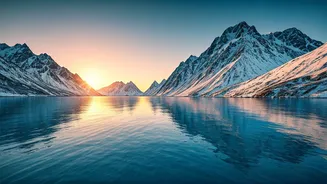
Dominating the list of the world's largest islands is Greenland, a colossal landmass situated in the North Atlantic Ocean. With a staggering area of approximately
2,166,086 square kilometers, it dwarfs all other islands. The vast majority of Greenland is covered by an immense ice sheet, which is one of the two largest on Earth, containing roughly 8% of the world's freshwater. This icy expanse significantly influences its climate and ecosystems. Despite its size, Greenland has a relatively small population, concentrated along the ice-free coastlines. Its geological makeup is ancient, primarily consisting of Precambrian rock. The island's strategic location and natural resources, including minerals and potential for offshore oil and gas, have made it a region of geopolitical interest. The sheer scale of Greenland’s ice sheet is a critical factor in global climate systems, making its study vital for understanding our changing planet.
New Guinea's Tropical Marvel
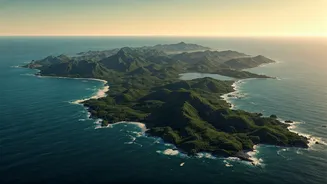
Following Greenland, New Guinea stands as the second-largest island globally, spanning an impressive 785,753 square kilometers in the southwestern Pacific Ocean. This island is a biodiversity hotspot, renowned for its incredibly diverse flora and fauna, many of which are endemic. Its rugged topography, characterized by a central mountain range, dense rainforests, and extensive river systems, creates a variety of habitats. New Guinea is politically divided, with the western half forming part of Indonesia and the eastern half constituting the independent nation of Papua New Guinea. The island's human history is rich and complex, with a multitude of distinct tribal cultures and languages spoken. Its significant ecological importance lies in its vast tracts of pristine rainforest, which are crucial for regulating regional climate and supporting global biodiversity. The island's unique geographical features have contributed to the evolutionary divergence of its species.
Borneo's Biodiversity Hub
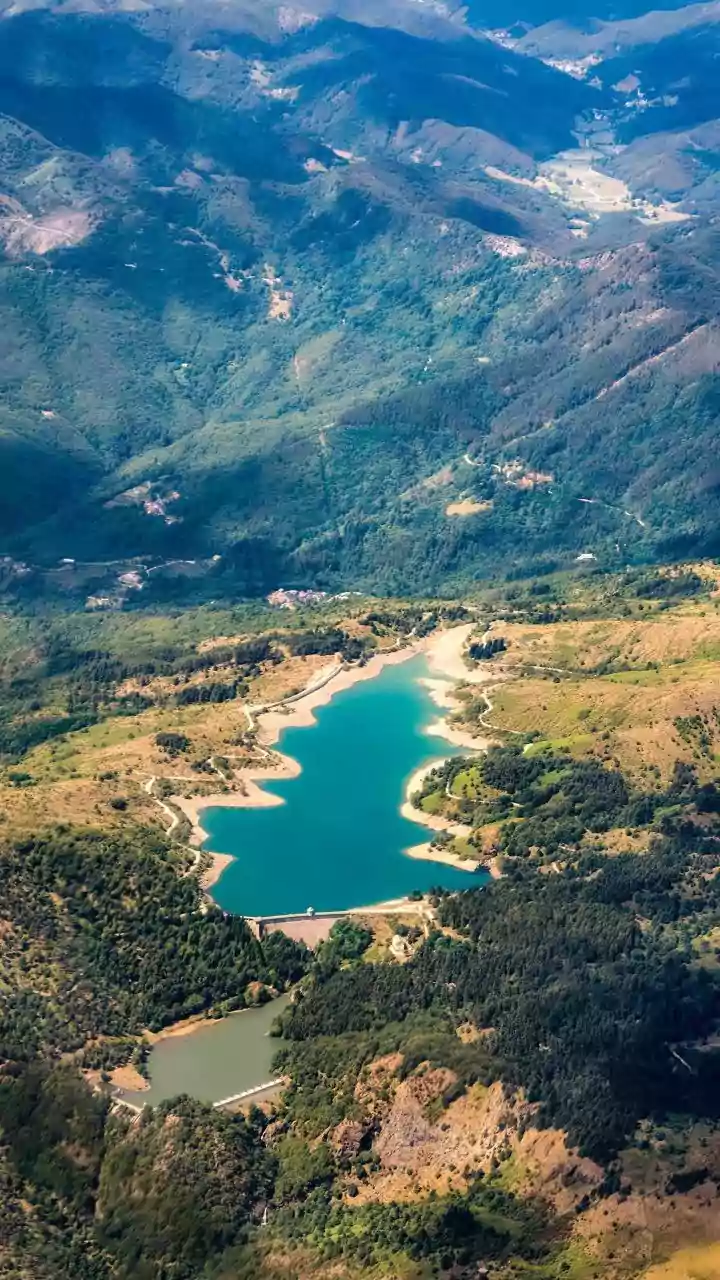
Borneo, the third-largest island on Earth, covers an area of 743,330 square kilometers and is situated in Southeast Asia. This island is celebrated for its ancient rainforests, which are among the oldest and most biodiverse on the planet, harboring numerous endangered species like the orangutan. Borneo is politically divided among three nations: Indonesia, Malaysia, and the independent Sultanate of Brunei. The island's geography is marked by a central mountain range, extensive river systems, and coastal plains. Its rich natural resources, particularly timber and mineral deposits, have led to significant economic development but also pose environmental challenges. The island's tropical climate supports a dense and vibrant ecosystem, making it a vital component of global ecological health. The sheer scale of its natural habitats underscores its importance in conservation efforts worldwide.
Madagascar's Unique Evolution
Madagascar, located off the southeastern coast of Africa in the Indian Ocean, is the fourth-largest island in the world, encompassing approximately 587,041 square kilometers. This island nation is renowned for its extraordinary level of endemism, with a significant percentage of its plant and animal species found nowhere else on Earth. This unique evolutionary trajectory is a result of its long isolation after breaking away from the supercontinent Gondwana. The island's diverse landscapes range from tropical rainforests in the east to dry deciduous forests and spiny deserts in the west and south. Madagascar's rich biodiversity faces significant threats from habitat destruction and climate change. Its distinct cultural heritage is a blend of indigenous Malagasy traditions and influences from Africa, Asia, and Europe. The island’s unique ecosystems are a testament to the power of long-term geographical separation in shaping life.
Baffin Island's Arctic Beauty
Baffin Island, the fifth-largest island globally, is situated in the Canadian Arctic Archipelago and covers an area of 507,451 square kilometers. This rugged, mountainous island experiences harsh Arctic conditions, characterized by long, cold winters and short, cool summers. Its landscape is sculpted by glaciers, with fjords, valleys, and ice caps being prominent features. Baffin Island is part of Nunavut, Canada's largest and northernmost territory, and is home to a significant Inuit population. The indigenous culture of the Inuit people is deeply intertwined with the island's natural environment. Despite its remote location and challenging climate, the island supports a unique Arctic ecosystem, including various marine mammals and migratory birds. Its geological formations hold clues to Earth's ancient past, and its expansive wilderness offers opportunities for polar exploration and scientific research.
Sumatra's Volcanic Majesty
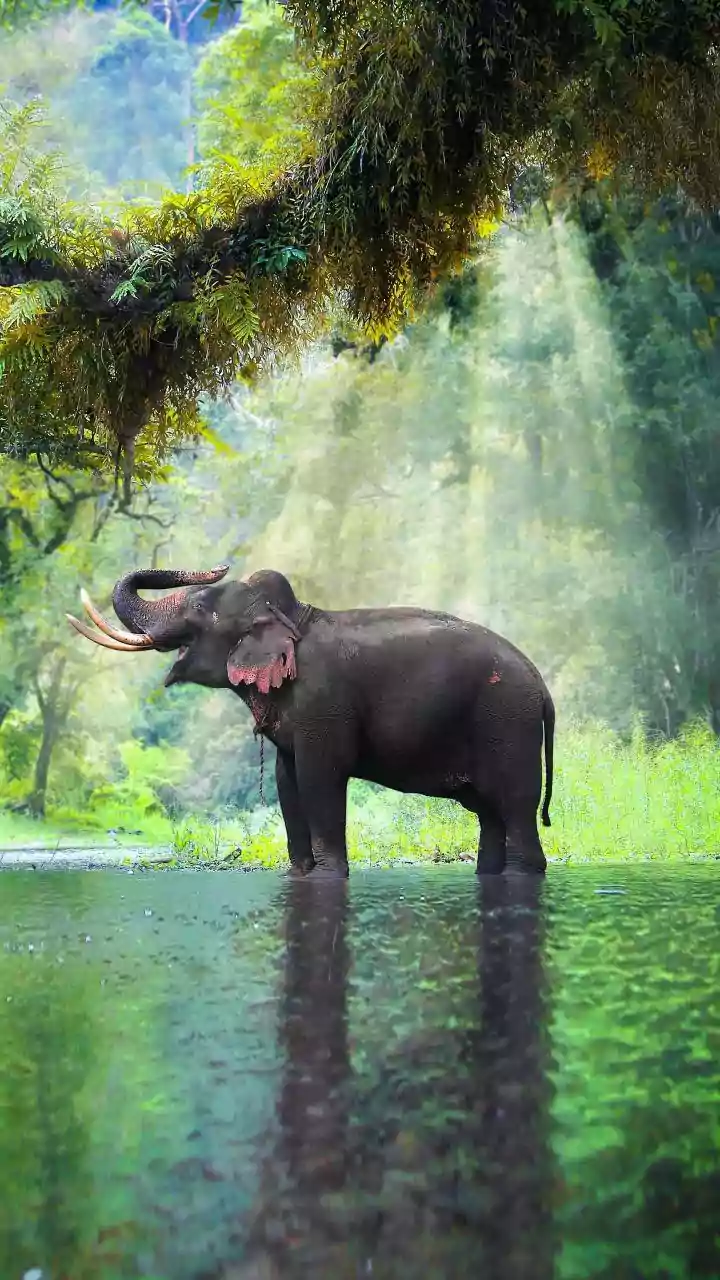
Sumatra, a large island in Indonesia, ranks as the sixth-largest island worldwide, spanning 473,481 square kilometers. Located in the Indian Ocean, west of Java, it is characterized by its chain of volcanic mountains, dense tropical rainforests, and extensive coastlines. The island is incredibly rich in biodiversity, home to iconic species such as the Sumatran tiger, orangutan, elephant, and rhinoceros, though many are critically endangered. Sumatra's diverse ecosystems range from lush lowland forests to high-altitude montane regions. The island has a dynamic geological history, being part of the Pacific Ring of Fire, which results in frequent seismic activity and volcanic eruptions. Its cultural landscape is as diverse as its natural one, with various ethnic groups and languages. The island's natural resources, including oil, gas, and timber, are economically significant but also contribute to environmental pressures.
Honshu's Japanese Heart
Honshu, the main island of Japan, is the seventh-largest island on the planet, covering an area of 227,942 square kilometers. It is the most populous and economically significant of Japan's islands, serving as the cultural and political center of the nation. Honshu's landscape is diverse, featuring mountain ranges, including the iconic Mount Fuji, fertile plains, and extensive coastlines. The island experiences a range of climates due to its considerable north-south extent. Its history is rich and deeply influential, having been the site of major historical events and the development of Japanese civilization. Honshu is a hub of innovation and technology, with major cities like Tokyo, Osaka, and Kyoto located there. The island's strategic location and geographic features have shaped its history, economy, and culture, making it the dynamic heart of Japan.
Victoria Island's Arctic Realm
Victoria Island, situated in the Canadian Arctic Archipelago, is the eighth-largest island globally, encompassing 217,291 square kilometers. This large, relatively flat island lies between the Arctic Ocean and the Victoria Strait. Its terrain is characterized by rolling hills, lakes, and Precambrian bedrock, with much of the land covered by tundra. Victoria Island is a significant part of the Inuit homeland, with communities primarily located on its southern coasts. The island's harsh Arctic climate supports a unique ecosystem, including numerous species of birds and mammals adapted to the cold. Its vast, undeveloped wilderness offers opportunities for scientific research, particularly concerning Arctic ecology and climate change. The island's geological history and its role in the Arctic environment make it a subject of interest for geologists and ecologists alike.
Great Britain's Historic Shores
Great Britain, the ninth-largest island in the world, covers 209,331 square kilometers and is located off the northwestern coast of mainland Europe. It is the largest island in the British Isles and comprises England, Scotland, and Wales. The island's geography is varied, with mountain ranges in the north and west, rolling hills in the center, and extensive lowlands. Great Britain has a long and influential history, playing a pivotal role in global exploration, industrialization, and political developments. Its cultural landscape is rich and diverse, reflecting centuries of history and immigration. The island experiences a temperate maritime climate, influenced by the Atlantic Ocean. The island's economic and cultural impact on the world has been profound and enduring, making it a cornerstone of global history and development.
Ellesmere Island's Icy Frontier
Ellesmere Island, the tenth-largest island on Earth, is located in the Canadian Arctic Archipelago and covers 196,236 square kilometers. This island is the northernmost inhabited place in the world and is characterized by its mountainous terrain, ice caps, and glaciers. The landscape is incredibly harsh, with extreme cold and limited vegetation, supporting a highly specialized Arctic ecosystem. Ellesmere Island is known for its unique geological features, including fossil-bearing rocks that offer insights into ancient climates and life forms. Despite its remote and unforgiving environment, it is home to a small permanent population and serves as a base for scientific research and polar expeditions. The island's stark beauty and extreme conditions make it a symbol of the planet's most challenging and pristine environments.