





Khan's Transformation Unveiled
Aamir Khan's dedication to physical fitness has often been highlighted, with his latest endeavor being a significant weight loss. The actor successfully
lost 18 kilos, capturing the attention of many. This article examines the core methodology behind his transformation: an anti-inflammatory diet. It involves strategically choosing foods that help reduce inflammation in the body. The goal of this kind of diet is to minimize the intake of foods known to trigger inflammation, like processed foods, and instead, focus on whole, nutrient-rich options. This approach is intended to not only facilitate weight loss but also to improve overall health and wellness. This strategy can be seen as an important aspect of holistic health management. The dietary method emphasizes making informed food choices as the central tool for both weight loss and improved bodily function.
Anti-Inflammatory Diet Basics
The anti-inflammatory diet adopted by Aamir Khan, and more generally, focuses on minimizing inflammation within the body. It operates on the core principle of reducing the consumption of foods that trigger inflammation while maximizing intake of foods that combat it. Several food categories form the cornerstone of this diet. Primarily, it champions the intake of whole, unprocessed foods such as fruits and vegetables, which are rich in antioxidants and vitamins. Lean proteins, like fish and poultry, are also emphasized, as these are less likely to cause inflammatory responses. Healthy fats, such as those found in avocados and olive oil, are an important component. The diet also typically limits or excludes processed foods, refined carbohydrates, and sugary drinks. These adjustments are intended to create a balanced internal environment. The benefits extend beyond weight management, with the potential to improve several aspects of overall health and enhance bodily functions.
Foods To Include
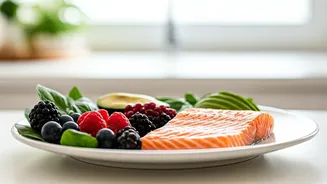
To support Aamir Khan’s weight loss and to effectively implement an anti-inflammatory diet, certain foods should be prioritized in one’s meal plans. An abundance of colorful fruits and vegetables should be consumed daily. These are naturally high in antioxidants, which aid in combating inflammation. Omega-3 fatty acids, found abundantly in fatty fish like salmon, are another key element. These beneficial fats have inherent anti-inflammatory properties and support cardiovascular and cognitive functions. Lean proteins, such as chicken and turkey, should be included to build and repair tissues, providing essential nutrients. Healthy fats, such as those in avocados, nuts, and olive oil, are also essential. Spices like turmeric and ginger, known for their powerful anti-inflammatory effects, can be incorporated easily into various meals. This careful selection of foods is key to achieving a balanced diet, facilitating weight loss, and promoting overall health improvement.
Foods To Avoid
Just as some foods are encouraged, it’s equally essential to recognize those that should be limited or avoided on an anti-inflammatory diet. The primary category to minimize includes processed foods. These often contain additives, preservatives, and high levels of unhealthy fats. Refined carbohydrates, such as white bread and pasta, should also be limited as they can spike blood sugar levels. Sugary drinks, including sodas and fruit juices, contribute to inflammation. Excessive consumption of saturated and trans fats found in fried foods and many baked goods, has also been linked to increased inflammation. Red meat consumption should be moderate, as high intake might worsen inflammatory responses. This conscious selection, avoidance, and limitation is key to optimizing the diet’s effectiveness. Doing so helps manage overall inflammation and supports sustained health improvements. Careful attention to what is consumed ensures the diet’s desired outcomes are attainable.
Beyond Weight Loss
The anti-inflammatory diet's benefits extend significantly beyond just weight loss. By reducing inflammation, the diet has been associated with enhanced cardiovascular health. It can lead to better blood pressure and cholesterol levels, reducing the risk of heart disease. The diet can also help to improve gut health because of the emphasis on whole foods that promote a balanced gut microbiome. Some studies indicate that an anti-inflammatory diet can improve skin health by mitigating skin issues such as eczema and acne. Moreover, the dietary approach is linked to reduced joint pain and symptoms of arthritis due to the anti-inflammatory properties of the chosen foods. The shift towards this approach can promote overall well-being, enhancing both physical and mental health. This comprehensive effect emphasizes the value of the anti-inflammatory diet as a valuable lifestyle strategy.
Practical Considerations
Embarking on an anti-inflammatory diet requires practical considerations. Reading and understanding food labels is essential. This helps to identify hidden ingredients and potential inflammatory components, enabling better decision-making when selecting foods. Preparing meals at home can significantly increase control over ingredients and portion sizes. This helps to eliminate unwanted additives and promotes the use of fresh, healthy ingredients. Planning meals and snacks in advance supports adherence to the diet and prevents impulsive, less healthy choices. Staying hydrated by drinking plenty of water is essential. It is also beneficial to consult with a healthcare provider or a registered dietitian before making significant dietary changes. A professional can provide personalized guidance, especially for individuals with underlying health conditions or specific dietary requirements. Considering these practical steps facilitates a smoother transition. Adopting the diet helps to ensure it remains sustainable and beneficial for the long term.