






Beyond Ghum Station
While many associate high-altitude rail travel with India's Ghum Station, the true record holder for the world's highest railway station is Tanggula, located
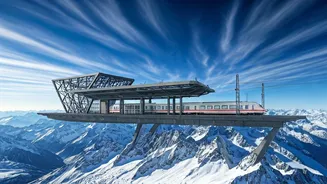
in Tibet. This remarkable engineering feat sits at an astonishing 5,068 meters (16,627 feet) above sea level, significantly surpassing Ghum's elevation of 2,258 meters. Tanggula Station's Guinness World Record status highlights its extreme geographical positioning, making it a true marvel for railway enthusiasts and engineers alike. The challenge of constructing and operating a railway at such immense heights, where the air is a mere 60% of what is experienced at sea level, necessitated innovative solutions to ensure both structural integrity and passenger safety. This distinction sets Tanggula apart as a pinnacle of human ingenuity in traversing some of the planet's most challenging terrains, offering a unique perspective on what's possible with modern transportation infrastructure.
Engineering the 'Death Zone'
Operating at a dizzying 5,068 meters, Tanggula Railway Station is often dubbed the 'Death Zone' of rail travel, not due to immediate danger, but the extreme atmospheric conditions. The air here is significantly thinner, containing only 40% of the oxygen found at sea level, posing a considerable challenge for human physiology. To combat the unstable permafrost on which the station is built, engineers implemented a sophisticated system of passive refrigeration. Ammonia-based cooling rods are embedded in the ground, acting as natural freezers to keep the soil perpetually frozen. This innovative approach prevents the tracks and station from shifting due to the freeze-thaw cycles of the permafrost, ensuring long-term stability for this high-altitude facility. The design incorporates advanced technology to create a resilient and safe environment in one of Earth's most demanding locations for infrastructure development.
Pressurized Journeys
Traveling to and from Tanggula Station requires specialized trains designed for the thin air. Passengers will notice the absence of open windows on these trains, a crucial safety feature. The carriages are pressurized and equipped with a dual-oxygen system. A central distribution network ensures a consistent oxygen supply throughout the cabins, while individual ports are available for passengers who may experience symptoms of altitude sickness. Similarly, the station's waiting areas are oxygen-enriched, providing a vital support system for travelers making a brief stop. This comprehensive approach to air management is essential for ensuring the well-being of everyone onboard and within the station, mitigating the risks associated with extreme altitudes and allowing for a more comfortable, albeit brief, experience.
Views and Wildlife Passages
From the platform at Tanggula, the breathtaking panorama includes Geladandong Peak, the revered source of the Yangtze River, and the majestic Tanggula Mountains. The station's strategic placement was chosen precisely to offer these unparalleled, sweeping vistas. Beyond the stunning scenery and engineering marvels, the railway's construction also demonstrates a commitment to ecological preservation. Thirty-three specially designed animal passages were incorporated near the Tanggula pass. These underpasses allow endangered Tibetan Antelopes to maintain their ancestral migration routes unimpeded by the railway line, showcasing a thoughtful integration of human infrastructure with the natural environment and its inhabitants. This foresight ensures that progress does not come at the expense of critical wildlife pathways.
A Fleeting Glimpse
Despite its global recognition, most travelers passing through Tanggula Railway Station experience it from within the confines of their train. To safeguard against severe altitude sickness, trains typically halt for only a few minutes. This brief interlude is primarily for passengers to capture photographs and absorb the unique surroundings through the train windows. It's a 'look-but-don't-touch' experience, where the train's glass acts as a protective barrier, shielding travelers from the extremely harsh, high-altitude environment. This limited interaction underscores the extreme nature of Tanggula's location, making the journey itself and the brief observation of its grandeur the main takeaways for most visitors.