






A Mystery Illness Unveiled
A case involving a 42-year-old woman with persistent headaches, fatigue, and dizziness, initially misattributed to stress, brought to light the potential
dangers of indoor incense burning. Her symptoms, which included occasional ear ringing and rapid breathing, baffled medical professionals until a thorough environmental history revealed daily exposure to incense smoke in a poorly ventilated space. This exposure was identified as the likely culprit, leading to a diagnosis of chronic salicylate intoxication, a condition stemming from prolonged inhalation of chemicals found in incense.
The Chemistry of Incense
When incense burns, it releases a complex cocktail of airborne substances. These include fine particulate matter, similar to general air pollution, and volatile organic compounds (VOCs). Additionally, it can emit carbon monoxide and polycyclic aromatic hydrocarbons (PAHs). Crucially, some incense sticks contain salicylates, chemicals often used as fragrance agents and binders. In the case highlighted, these salicylates are the primary concern, as their continuous inhalation can lead to chronic intoxication, impacting the nervous system. The concentration of salicylates in many tested incense products can range significantly, often between 10% and 20%, making regular burning in enclosed spaces a notable health risk.
Understanding Intoxication
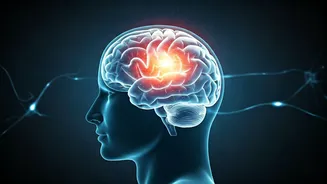
Chronic salicylate intoxication occurs when an individual is exposed to low doses of salicylates over extended periods, not just from medications like aspirin but also from everyday household products such as incense. This gradual accumulation affects the nervous system by altering neurotransmitters, the crucial chemical messengers that enable communication between brain cells. Studies indicate a correlation between regular incense smoke exposure and developmental delays in infants, as well as reduced cognitive function and structural changes in the brains of older adults. The 'intoxication' arises from this cumulative exposure, where symptoms develop subtly over time and may only become apparent when they significantly impact a person's quality of life.
Recognizing the Symptoms
Diagnosing chronic salicylate intoxication can be challenging due to symptom overlap with various other medical conditions. However, recurring signs may include persistent headaches, feelings of dizziness, unexplained fatigue, nausea, and tinnitus (ringing in the ears). Individuals might also exhibit irregular breathing patterns, such as rapid or unusually deep breaths. In more advanced or noticeable cases, neurological symptoms can manifest, indicating a disruption in normal brain function. A particularly concerning observation is that children exposed to these fumes may experience seizures, highlighting their heightened vulnerability.
Who Is Most Vulnerable?
Certain groups are more susceptible to the detrimental effects of chronic exposure to incense fumes. This includes children, whose developing bodies and nervous systems are more sensitive to toxins. Elderly individuals, with potentially compromised respiratory or neurological systems, are also at higher risk. Furthermore, those who already have pre-existing respiratory conditions, such as asthma or COPD, or neurological disorders could experience a significant worsening of their health status due to prolonged inhalation of incense smoke. This underscores the importance of preventative measures for these populations.
Prevention and Safer Practices
Mitigating the risks associated with incense burning is achievable through simple yet crucial preventive measures. Ensuring adequate ventilation is paramount; always burn incense in well-aired spaces to minimize the concentration of inhaled fumes. Reducing the frequency and duration of incense use can also significantly lower cumulative exposure. Consumers are encouraged to be mindful of product ingredients and opt for brands with fewer or no chemical additives. Healthcare providers play a vital role by inquiring about household habits and exposure to fragrances or chemicals during patient consultations, thereby aiding in earlier detection and intervention for potential environmental health risks.