






Visuals Rule First Impressions
Research consistently highlights the profound impact of visual information on how we are perceived, especially during initial encounters. Studies indicate
that a staggering 50% or more of a first impression is forged through visual cues alone, predating any verbal interaction. This means that before your ideas or expertise are even considered, your audience has already formed an initial judgment based on your appearance. Image consultants emphasize that this phenomenon occurs across various professional settings, from high-stakes meetings and interviews to everyday professional interactions, even in virtual environments. The brain rapidly processes elements like posture, grooming, the interplay of colours and contrasts, your silhouette, and facial expressions within seconds. These rapid assessments help determine whether you project confidence, competence, and trustworthiness, effectively pre-empting logical evaluation. Consequently, your career trajectory is not solely a product of your performance but is significantly influenced by how you are perceived, making your visual presentation a critical, often overlooked, professional asset.
The Neuroscience of Attire
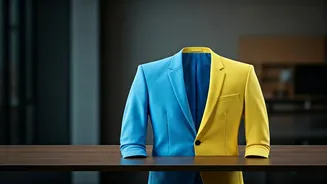
The science behind clothing's influence on our minds and actions is known as enclothed cognition. This principle demonstrates that what we wear directly impacts our psychological state, affecting our confidence, focus, and perceived authority. The brain interprets clothing not merely as fabric but as psychological input, triggering specific emotional and cognitive responses. Dopamine dressing, therefore, involves the deliberate selection of colours, textures, and styles to intentionally shape how we feel and how we present ourselves to the world. It acknowledges that clothing is never neutral; it carries emotional weight. For instance, smooth textures can have a calming effect on the nervous system, while structured fabrics can evoke a sense of control and authority. Soft silhouettes often convey warmth and approachability. Conversely, bold colours are known to stimulate energy and boost confidence. When our internal feelings are positively influenced by our attire, this often translates into improved posture, a steadier voice, and an overall expanded presence, which others readily perceive and respond to.
Strategic Dressing for Success
Leveraging dopamine dressing can act as a silent yet potent career strategy. When a professional feels assured due to their attire, they naturally project an aura of assurance to others. Similarly, a leader who feels mentally clear and organized through their clothing choices appears more decisive. This principle underscores the fact that people often evaluate your image before they deeply consider your ideas, due to the brain's inherent wiring for rapid judgment. Individuals are quickly categorized into positive or negative perceptions, often referred to as a 'positive halo' or 'negative horn' effect, within mere moments. Elements such as sharp lines in clothing can signal competence, while strategic contrast near the face can convey authority. Meticulous grooming suggests reliability, in contrast to slumped posture which can indicate uncertainty. These immediate neurological shortcuts are powerful and difficult to alter. Therefore, aligning your appearance with your intended message is crucial for building effortless trust and ensuring your outward presentation supports your professional goals.
The 3F Method Framework
To effectively implement dopamine dressing and cultivate a supportive wardrobe, the '3F Method' offers a simple yet profound approach. Before selecting an outfit, pause and critically assess three key aspects: Fit, Function, and Feel. 'Fit' extends beyond mere size to encompass your current identity; your style should authentically reflect your evolving self. 'Function' relates to whether the attire serves your specific agenda for the day; formal settings may demand structure, while creative tasks might benefit from ease and comfort. 'Feel' addresses the emotional state you wish to embody – whether it's power, calmness, or another desired emotion. If even one of these 'F's doesn't resonate positively, the outfit might not be the optimal choice for that particular day. These three anchors help build a dopamine wardrobe that consistently supports your confidence and personal growth, intentionally aligning your psychology with your style and ensuring your presence is a deliberate asset rather than an accidental outcome.