
Origins and Evolution
The history of makeup stretches back thousands of years. Early civilizations, such as those in ancient Egypt, used natural pigments and minerals for cosmetic
purposes. Kohl, made from ground galena, was used to line the eyes, and ochre was used to color the lips and cheeks. These practices weren't just for aesthetics; they often held religious and social significance. Over centuries, makeup techniques and products evolved. The ancient Greeks and Romans adopted and adapted these practices, incorporating them into their daily lives and cultural rituals. The Renaissance saw a resurgence of elaborate makeup styles, particularly among the elite, and this trend continued through different eras, each contributing to the diverse landscape of cosmetics that we see today.
Makeup as Artistry
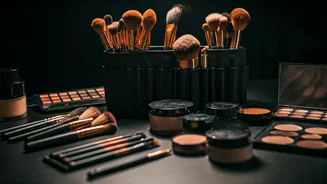
Makeup artistry transcends simple application; it's a form of visual art. Makeup artists possess a deep understanding of color theory, facial anatomy, and lighting. They use these skills to enhance features, create illusions, and transform individuals. From basic everyday looks to elaborate special effects for film and stage, the range of techniques is extensive. Contour and highlight techniques, for example, use light and shadow to sculpt the face, while creative makeup can tell stories or express emotions. The tools of the trade, from brushes and sponges to airbrushes and specialized products, are as varied as the looks they create, reflecting the artist's skill and the specific needs of the project or individual.
Makeup's Entertainment Influence
Makeup plays a crucial role in the entertainment industry. It’s essential in film, television, and theatre, transforming actors into their characters and helping create believable worlds. Film makeup requires different techniques than stage makeup due to the camera's sensitivity. High-definition filming has also revolutionized makeup artistry, demanding flawless applications and specialized products. Special effects makeup is a significant subset, creating everything from subtle enhancements to dramatic transformations. The impact of makeup extends beyond the stage and screen, influencing fashion trends, beauty standards, and even consumer behavior, making it a critical aspect of entertainment's visual storytelling and impact on audiences.
Self-Expression and Identity
Makeup serves as a powerful tool for self-expression and personal identity. It allows individuals to experiment with different looks, reflect their moods, and communicate who they are to the world. For some, makeup is a confidence booster, enhancing their self-image and providing a sense of empowerment. It can be used to embrace cultural traditions, challenge societal norms, or simply enjoy creative exploration. Over time, the perception of makeup has evolved, with its role expanding from pure aesthetics to a means of self-discovery and empowerment. Many people use makeup to celebrate their unique qualities, fostering a culture of acceptance and celebrating diversity.
Techniques and Trends
Makeup techniques and trends are continuously evolving. Some foundational methods, like applying foundation, concealing imperfections, and highlighting key features, remain consistent. However, advancements in product formulations and application tools have created an array of new approaches. Contouring and highlighting, for example, have become integral to many makeup routines. Trends fluctuate significantly, influenced by social media, celebrity styles, and seasonal changes. The focus on natural looks, bold statements, and artistic expression all fuel the dynamic nature of makeup trends. Knowledge of these trends, combined with understanding of individual skin types and features, allows for creative applications that keep makeup fresh and relevant.
Modern Makeup Culture
Modern makeup culture is vibrant and diverse, shaped by social media, beauty bloggers, and the accessibility of products. The internet and social platforms have democratized beauty knowledge, making techniques and tutorials readily available to everyone. Collaboration is common, with makeup artists sharing their skills and building communities. The industry is also seeing a rise in inclusivity, with brands catering to diverse skin tones, ages, and needs. This inclusive shift emphasizes the need for body positivity and celebrating individual beauty. The growing importance of ethical sourcing and sustainable practices also influences the direction of the industry. The evolving culture of makeup reflects an increase in the acceptance of self-expression and a commitment to innovation and inclusivity.