




Mastering Burner Efficiency
The heart of your cooking setup, the burner, plays a crucial role in gas consumption. Optimizing its performance is key to extending cylinder life. Ensure
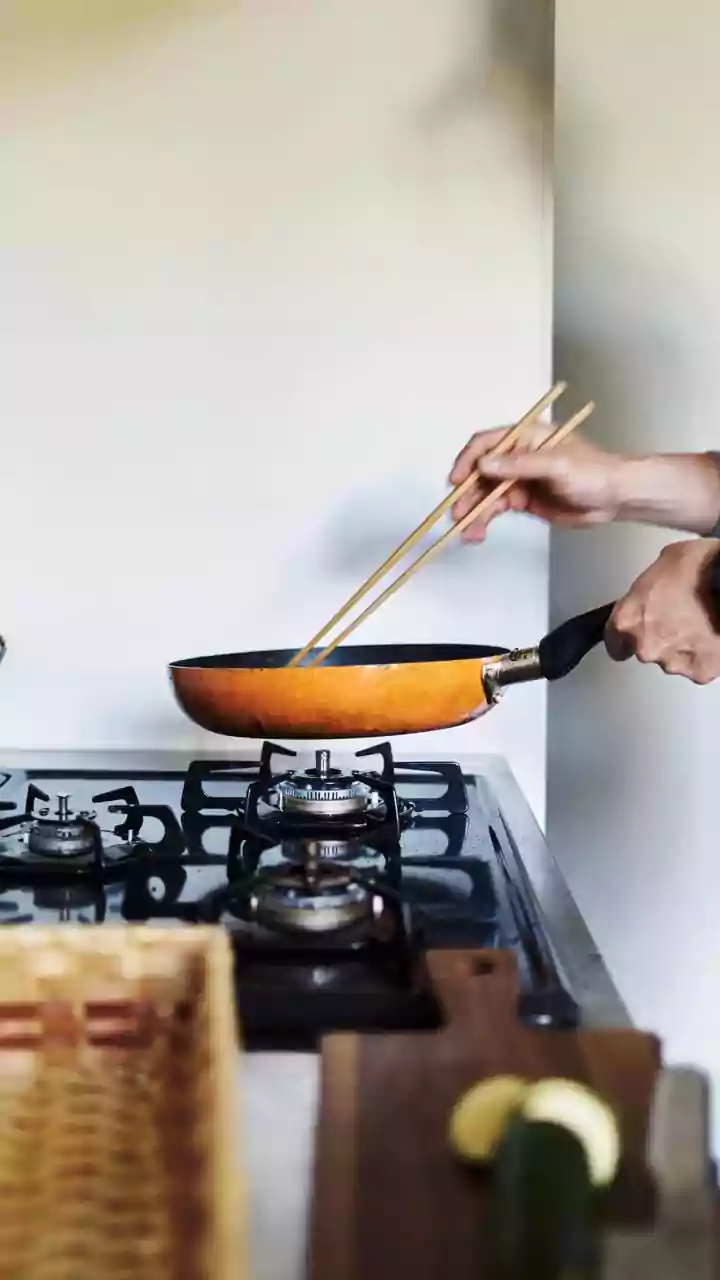
your burners are clean and free from any residue that might obstruct the flame. Blockages can cause the flame to spread unevenly, leading to wasted gas. Regularly check for and remove food particles or soot. Furthermore, adjusting the flame size appropriately for the utensil is vital. A flame that licks the sides of your pot or pan is unnecessarily consuming gas. For most cooking tasks, a medium flame is sufficient. Large flames are only needed for rapid boiling or searing, and even then, they should be monitored. Consider using pressure cookers, as they significantly reduce cooking time and thus gas usage by trapping steam and increasing pressure. For smaller tasks, using the right-sized burner for your pot can also prevent heat from escaping and being wasted. A consistent, clean flame directly translates to more efficient cooking and a longer-lasting cylinder.
Smart Utensil Choices
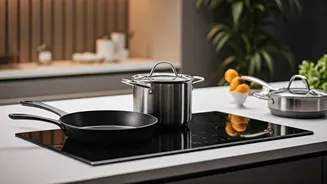
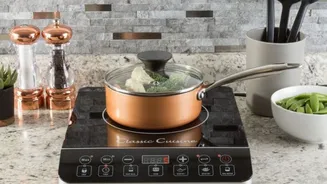
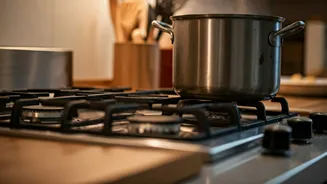
The vessels you cook with have a direct impact on how much gas you use. Opting for flat-bottomed cookware is a game-changer for efficiency. Flat bottoms ensure maximum contact with the burner, allowing heat to transfer more evenly and effectively. This means your food cooks faster, and you don't need to keep the flame high for extended periods. Avoid using round-bottomed vessels on standard flat-top burners, as they only make limited contact, leading to heat loss and increased cooking times. Materials also matter; stainless steel and heavy-bottomed aluminum pans are excellent choices due to their superior heat conductivity. Thicker bottoms also distribute heat more evenly, preventing hot spots and reducing the need for constant stirring or adjustment of the flame. Using lids on your cookware is another simple yet incredibly effective hack. Lids trap heat and moisture inside, accelerating the cooking process and preventing valuable energy from escaping into the kitchen atmosphere. This significantly cuts down on the time your stove needs to be on, making each cylinder last much longer.
Preparation is Key
Before you even strike a match or switch on your stove, a little bit of planning can save a lot of gas. Pre-soaking lentils, beans, and tough vegetables significantly reduces their cooking time. Soaking allows them to absorb water, making them tender and quicker to cook. Similarly, chopping vegetables into uniform sizes ensures they cook evenly, preventing some pieces from burning while others remain undercooked, thus avoiding prolonged heating. Another effective strategy is to thaw frozen ingredients beforehand. Trying to cook directly from a frozen state requires much more heat and time. Having all your ingredients prepped and ready to go means you can minimize the time your stove is on. Think of it as an assembly line in your kitchen; the smoother the flow, the less time spent on individual cooking steps. This proactive approach minimizes the need for extended cooking durations, making your LPG cylinder a more economical companion.
Mindful Cooking Habits
The way you manage your cooking process once the flame is lit can also contribute to gas conservation. Avoid opening the lid too frequently, as this releases precious heat and steam, prolonging the cooking duration. Resist the urge to peek constantly; it's better to check at the appropriate intervals. Turning off the flame a few minutes before your food is completely done is another smart tactic. Residual heat in the utensil will continue to cook the food, saving a small but significant amount of gas. Furthermore, batch cooking can be a great way to maximize your efforts. Instead of cooking small portions multiple times a day, cook larger quantities at once. This way, the stove is utilized for a concentrated period, rather than being switched on and off repeatedly. Efficient stirring and managing heat levels throughout the cooking process ensures that energy is used effectively, making your cylinder stretch further.
Regulator and Pipe Checks
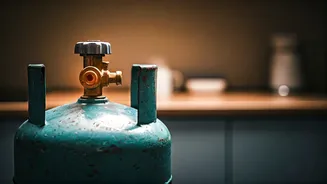
Beyond your cooking techniques, the integrity of your gas connection itself is paramount for safety and efficiency. Regularly inspect the rubber tube connecting your cylinder to the regulator for any signs of wear, cracks, or leaks. A damaged tube can lead to gas leakage, which is not only dangerous but also a waste of your precious fuel. Use soapy water to check for leaks; if you see bubbles forming, there's a leak that needs immediate attention. Ensure the regulator is functioning correctly and is properly fitted. A faulty regulator might not control the gas flow efficiently, leading to uneven flames or wastage. Securely tighten the regulator onto the cylinder valve to prevent any subtle leaks. Maintaining your gas stove and its components in good working order ensures that the gas you pay for is used for cooking, not escaping into the atmosphere.
Leveraging Other Appliances
While the gas stove is a primary cooking tool, other appliances can help reduce its load. Embrace the efficiency of electric appliances for certain tasks. For instance, an electric kettle can boil water much faster and more efficiently than a stovetop burner, especially for small quantities. Microwave ovens are excellent for reheating food or even cooking specific dishes, using significantly less energy than prolonged stovetop cooking. If you're considering investing in kitchen gadgets, a rice cooker can be a gas-saver for a staple like rice, as it automates the cooking process and maintains optimal heat. Even a simple toaster can handle breakfast bread needs, freeing up your gas burner. Strategically using these alternatives for tasks they excel at can collectively reduce your reliance on the LPG cylinder, making it last longer.
Optimizing Flame Settings
The size of the flame is a direct indicator of gas consumption. Most home cooks tend to use a flame that is too large for their cooking needs. A flame that extends beyond the base of the utensil is fundamentally inefficient, as the heat is escaping around the sides instead of directly heating the contents. For simmering, boiling water for smaller amounts, or light sautéing, a low to medium flame is generally sufficient. It's about finding the 'sweet spot' where the heat is effectively transferred without being excessive. When you need a high flame, such as for stir-frying or rapidly boiling large volumes of water, ensure it's only for that specific, short duration. Regular cleaning of the burner nozzles ensures a consistent and well-directed flame. A clean burner with an appropriately sized flame is your best bet for conserving gas.
Strategic Cooling and Heating
Think about the temperature of your ingredients before they hit the heat. Cooking with ingredients at room temperature, rather than chilled or frozen, can significantly reduce cooking time. For example, meat and vegetables will cook more evenly and quickly if they are not straight from the refrigerator. This reduces the time the burner needs to be on. Conversely, for tasks that require slow cooking or simmering, using a lid and a lower heat setting is more efficient than a high flame that evaporates liquid too quickly. Allowing dishes to cook with residual heat, as mentioned earlier, also plays a role. Planning your meals to incorporate these temperature considerations can lead to more efficient gas usage over time. A thoughtful approach to ingredient temperature and heat management is a simple yet powerful way to make your cylinder last.
Efficient Water Heating
Heating water often consumes a substantial amount of gas. For tasks requiring hot water, consider heating only the amount you need. Boiling large volumes of water when only a cup is required is wasteful. Electric kettles, as mentioned, are excellent for small quantities. If you do need to heat a larger pot of water on the stove, ensure it's covered with a lid to speed up the boiling process. Furthermore, if you're making something that requires simmering for an extended period, plan your cooking sequence. Perhaps you can use the hot water from one cooking task for another, reducing the need to re-heat. Think about multitasking with your hot water needs to minimize the number of times you turn on the gas burner specifically for heating water.
Regular Maintenance and Vigilance
The overall health of your gas stove and its accessories is crucial for long-term efficiency. Beyond checking the pipes and regulator, ensure your burners are not clogged with food debris or rust. Regular cleaning, ideally after every few uses, prevents these issues. A well-maintained stove operates at peak efficiency, ensuring a consistent flame and optimal heat distribution. Also, be mindful of the age of your stove and its components. Older stoves might not be as efficient as newer models. However, even with an older stove, diligent cleaning and regular checks of the burner heads and ignition system can make a noticeable difference. Being vigilant about any unusual sounds or flame patterns is a proactive step towards preventing wastage and ensuring your LPG cylinder serves you reliably for longer periods.