





Respectful Bowing Rituals
Bowing is a cornerstone of Japanese etiquette, a gesture of respect that transcends mere politeness. The depth and duration of a bow communicate the level
of respect and the relationship between individuals. A slight bow, or *eshaku*, is typical for everyday greetings, while a deeper bow, known as *keirei*, is reserved for showing gratitude, apologizing, or expressing profound respect. The act itself is far more than just a physical action; it's a nonverbal way of communicating sincerity, humility, and consideration for others. Learning the proper form of bowing, including posture and eye contact, is crucial for showing respect, especially in formal settings like business meetings or ceremonies, reflecting Japan's emphasis on harmony and interpersonal relationships.
Exchanging Business Cards
The exchange of business cards, or *meishi*, is another essential etiquette in Japan. Presenting and receiving a business card with both hands, along with a slight bow, signifies respect and a formal acknowledgment of the other person's position. The card should be presented in a way that allows the recipient to read it easily. Upon receiving a card, it's considered polite to carefully examine it, showing interest and acknowledging the person's status. Avoid carelessly placing the card in your pocket or wallet; instead, it is best to place it on the table during the meeting or store it in a cardholder. This reflects the value placed on business relationships and shows the seriousness and formality of the interactions.
Mastering Chopstick Manners
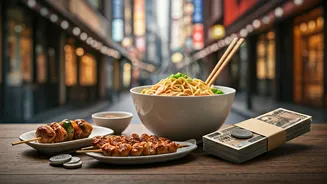
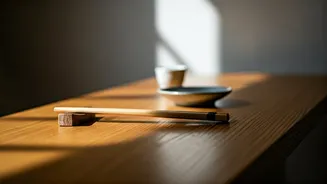
Chopstick etiquette is fundamental to Japanese dining. Proper use of chopsticks shows consideration for others and respect for the food. It's considered rude to stick chopsticks upright in a bowl of rice, as this resembles a funeral offering. Passing food directly from chopstick to chopstick is also avoided, as it mirrors a funeral ritual. When not in use, chopsticks should rest on a chopstick rest, not directly on the table. Other rules include never using chopsticks to stab food, or using them to move bowls closer to you. These rules show respect for the food, the people you are dining with, and the cultural context of the meal. They showcase how important simple actions are when it comes to dining.
Dining Out with Style
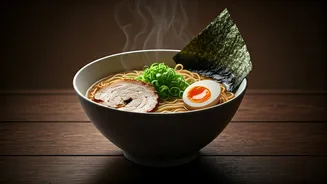
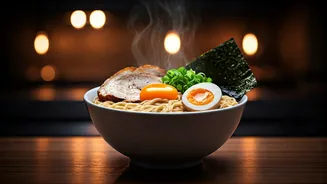
Dining out in Japan involves a set of unwritten rules and behaviors. Before a meal, it's customary to say *itadakimasu* (I humbly receive) to express gratitude for the food. During the meal, avoid talking with your mouth full and finish your rice before leaving the restaurant. It's polite to use the provided napkins or wet towels (*oshibori*) to clean your hands before eating. Slurping noodles is generally acceptable and often seen as a sign of enjoyment. After finishing, it's polite to say *gochisousama deshita* (thank you for the meal). By adhering to these dining manners, you show respect for your hosts and the culture.
Footwear Etiquette
Footwear etiquette is essential, particularly when entering a home or traditional establishment. Shoes are typically removed at the entrance, often in a designated area known as the *genkan*. Slippers are then provided for indoor use. Different types of slippers may be provided for specific areas, such as the bathroom. It's considered rude to wear indoor slippers into the bathroom, or to wear outside shoes inside the house. This practice is about keeping the living spaces clean and maintaining a sense of hygiene and respect for the environment. Following this etiquette is a simple, yet noticeable, way to show that you understand and respect the customs of the place you are visiting.
Gift Giving Practices
Gift-giving, or *presenting*, is a significant aspect of Japanese culture, and the manner of doing so is very specific. Gifts are often given for special occasions, such as welcoming a new colleague or when visiting someone’s house. When receiving a gift, it's polite to decline it once or twice before accepting, showing humility. Gifts are usually wrapped elegantly, and the presentation of the gift is as important as the gift itself. Giving a gift with both hands signifies respect and appreciation. Open the gift after the giver has left, to avoid making them feel awkward. This gift-giving etiquette reflects the value placed on relationships, gratitude, and social harmony.
Cleanliness and Hygiene
Cleanliness and hygiene are highly valued in Japanese society, extending beyond personal care to include public spaces. It's common to see people wearing masks during cold and flu season to prevent the spread of germs. Public spaces are generally spotless, and the concept of keeping everything clean and orderly is deeply ingrained in the culture. This includes not littering, wiping your feet before entering a home, and maintaining personal hygiene in public. It reflects a commitment to the well-being of the community and a concern for the comfort of others. It also shows the importance of social harmony.
Public Transportation Manners
Etiquette on public transportation is crucial for a smooth and respectful experience. It's important to be mindful of personal space and avoid talking loudly on the phone or engaging in disruptive behavior. When boarding a train or bus, it's common to wait for others to exit before entering. Offering your seat to the elderly, pregnant women, or people with disabilities is also a sign of consideration. These behaviors reflect respect for others, and help to maintain a peaceful and orderly environment during commutes.
Onsen (Hot Spring) Etiquette
Visiting an *onsen*, or hot spring, requires adhering to specific etiquette for a relaxing and respectful experience. Before entering the bath, you must thoroughly wash and rinse your body. Entering the bath with soap on is not allowed. Towels are not to be dipped in the bathwater, and one can be used to cover up while walking to the bath. Tattoos are sometimes prohibited in public onsen, due to historical associations with the Yakuza. Onsen etiquette shows respect for other bathers and the natural environment. These rules ensure that all can enjoy a relaxing and clean environment.
Respecting Personal Space
Respect for personal space is an important aspect of Japanese etiquette. Physical contact, such as hugging or kissing, is less common in public. People generally maintain a respectful distance from each other. Avoiding direct eye contact is often seen as a sign of respect, especially when interacting with superiors or elders. In crowded situations, people try to avoid bumping into each other or invading personal space. By being aware of, and respecting, others' personal boundaries, people contribute to a sense of harmony and considerateness that is fundamental to Japanese society.