



The Floating Wonder
Loktak Lake, often hailed as the 'Jewel of Manipur', stands as a truly remarkable natural phenomenon. It is globally recognized as the world's sole national
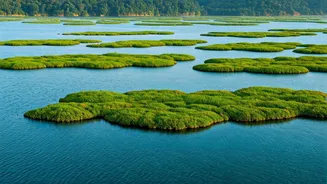
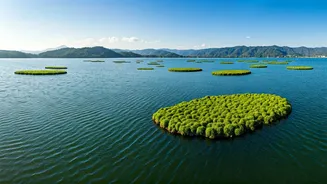
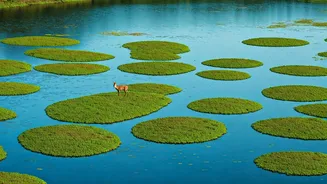
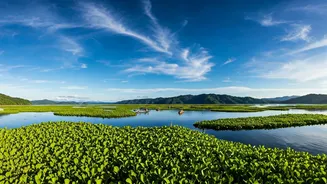
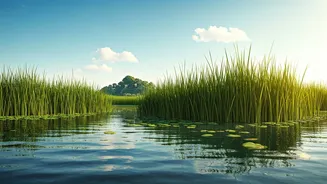
park that floats, a distinction attributed to its distinctive 'phumdis'. These are heterogeneous masses of vegetation, soil, and organic matter that have accumulated over time, forming buoyant islands on the lake's surface. These phumdis are not merely static features; they are dynamic entities that drift with the currents and can change in size and shape. The largest single phumdi, known as the Sendra Island, even hosts a tourist bungalow and a park, offering unparalleled views of the surrounding aquatic landscape. This unique characteristic makes Loktak Lake a vital ecosystem, supporting a rich biodiversity that is intrinsically linked to these floating mats.
Rich Biodiversity Hub
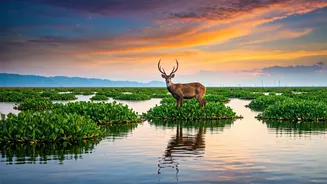
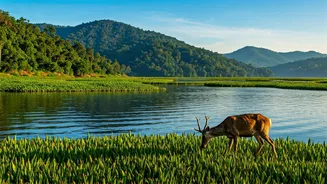
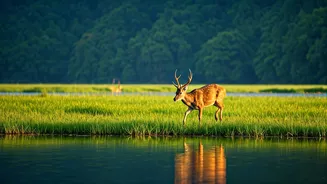
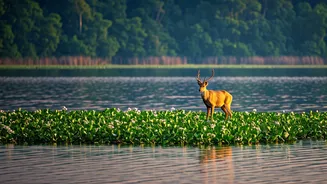
The ecological significance of Loktak Lake extends far beyond its floating nature. It is a crucial habitat for a diverse array of flora and fauna, many of which are endemic to this region. The lake's waters are teeming with various fish species, forming the backbone of the local economy and sustenance for the communities living around its shores. These aquatic resources are intricately tied to the health of the phumdis, which provide breeding grounds and shelter for many fish. Furthermore, the lake is a vital resting and feeding ground for a multitude of migratory birds, especially during the winter months, transforming the landscape into a birdwatcher's paradise. The Manipur Eld's deer (Sangai), an endangered species, also finds refuge in the sparse grasslands that sometimes emerge on larger phumdis, making the lake a critical sanctuary for this charismatic mammal. The complex interplay between the water, the phumdis, and the wildlife creates a delicate balance that is essential for the survival of numerous species.
Local Life and Challenges
The existence of Loktak Lake is deeply intertwined with the lives of the local Meitei community and other indigenous groups who have inhabited its surroundings for centuries. Fishing is a primary occupation, and traditional fishing methods have been passed down through generations, often utilizing the unique features of the phumdis. The floating islands have also enabled the development of unique agricultural practices, with some communities cultivating vegetables and grains on smaller, managed phumdis. However, this delicate ecosystem faces significant challenges. The increasing population around the lake, coupled with agricultural runoff and pollution, threatens its pristine condition. The degradation of the phumdis due to human interference and invasive species also poses a serious threat to the biodiversity. Efforts are underway to balance conservation with the livelihood needs of the local population, aiming to preserve this irreplaceable natural heritage for future generations.