
Kamarbandh's Historical Roots
Historically, the kamarbandh served both aesthetic and practical purposes. Primarily, it was worn by women in India. The kamarbandh, or waist chain, has
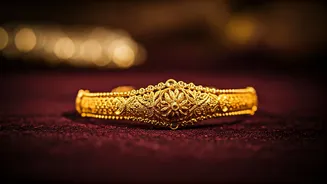
a rich history, woven into the cultural fabric of India. Its origins trace back centuries, with evidence of its use in various ancient civilizations and kingdoms. The kamarbandh wasn't just a decorative accessory; it also held functional roles. It was used to secure clothing, such as sarees and lehengas, and sometimes to carry small pouches or personal items. The designs and materials of kamarbandhs varied across regions and social classes. They were crafted from precious metals like gold and silver, as well as adorned with precious stones and intricate carvings. The style and design would reveal the status and wealth of the wearer.
Pregnancy and Significance
During pregnancy, the kamarbandh took on added significance. Women wore it for several reasons. Primarily, it was thought to provide support to the growing abdomen and the developing baby. The weight and structure of the kamarbandh offered a sense of stability and relief from the strain on the back and hips. Aside from its physical benefits, the kamarbandh was also believed to possess protective qualities. Many cultures associate jewelry with warding off negative energies and evil spirits, and the kamarbandh was seen as a way to safeguard the health of the mother and child. Furthermore, the act of wearing a kamarbandh could be a way to honor and celebrate the woman's pregnancy and her role as a future mother. It served as a visible symbol of her condition and a connection to her lineage and traditions.
Priyanka's Modern Revival
Priyanka Chopra, a global icon, is helping to bring back the kamarbandh into the mainstream. Her choices in fashion have included wearing kamarbandhs, and this has sparked renewed interest in the ornament among modern women. By incorporating the kamarbandh into her looks, Priyanka is demonstrating its adaptability to contemporary fashion. This has encouraged others to embrace the waist chain as an elegant accessory. Her actions reflect a growing trend of rediscovering and celebrating traditional Indian fashion elements in the world. As a result of this, more designers are now including kamarbandhs in their collections. This is a testament to the continued relevance of the kamarbandh and the way in which fashion can revive cultural heritage.
Fashion and Heritage
The resurgence of the kamarbandh highlights the crucial role that fashion plays in expressing cultural identity. Fashion can be used to connect with one's roots and transmit cultural values across generations. In India, traditional garments and accessories like the kamarbandh have always been important symbols of identity. By incorporating these elements into modern fashion, we can ensure that our heritage is preserved and appreciated. Celebrities such as Priyanka Chopra have become key influencers in this process, using their platforms to bring attention to these beautiful traditions. Fashion can act as a bridge between the past and present. It can also help to bring cultures together in new and creative ways.