








Baisakhi 2026 Date
In the year 2026, the auspicious occasion of Baisakhi, also widely recognized as Vaisakhi, is set to grace us on April 14th. This date is not merely arbitrary;
it is determined by the celestial alignment, specifically marking Vaishakhi Sankranti at precisely 09:39 AM. This significant astronomical event signifies the Sun's transition into the zodiac sign of Aries, a moment deeply connected to the agricultural calendar and the commencement of the new harvest season. For farmers and communities across India, particularly in Punjab, this date heralds a time of both practical renewal and joyous celebration, reflecting gratitude for nature's bounty and the promise of prosperity.
A Look Back: History
The historical tapestry of Baisakhi is woven with pivotal events, most notably the solemn establishment of the Khalsa Panth by Guru Gobind Singh, the tenth Sikh Guru. This monumental event took place in 1699 on the very day Baisakhi is observed. Guru Gobind Singh convened at Anandpur Sahib, Punjab, to form a dedicated cohort of committed warriors, the Khalsa, whose mission was to champion the rights of the oppressed and stand firm against injustice and tyranny. This occasion was transformative, leading to the abolishment of caste-based discrimination and reinforcing the fundamental principle of universal equality among all individuals. Furthermore, Baisakhi signifies a profound transition in Sikhism, marking the end of the era of human Gurus and the commencement of eternal guidance derived from the sacred scripture, the Guru Granth Sahib, now revered as the perpetual Guru.
Spiritual and Agricultural Significance
Baisakhi holds a dual essence, deeply intertwined with both the earth's bounty and spiritual awakening. For agrarian communities, it marks the vibrant commencement of the new harvest season, serving as an occasion to express heartfelt gratitude for the abundance of crops that sustain their livelihoods and communities. Beyond its agricultural relevance, the festival symbolizes a profound spiritual renewal. Many adherents of Sikhism and Hinduism partake in pilgrimages to their respective sacred sites – gurdwaras and temples – to offer prayers and seek blessings. The festival also prompts a period of introspection, encouraging individuals to reflect upon the core social and spiritual values championed by Guru Gobind Singh, such as the ideals of equality, the pursuit of justice, and the practice of selflessness. These principles resonate deeply, guiding the spirit of community and shared humanity.
Vibrant Celebrations and Rituals
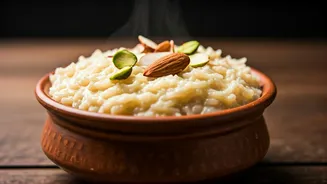
The spirit of Baisakhi is brought to life through a kaleidoscope of dynamic cultural expressions and time-honored traditions. Lively folk dances like Bhangra and Gidda take center stage, with participants adorned in resplendent traditional attire, moving to the infectious rhythms of the dhol (drum) and singing traditional folk melodies. The streets buzz with energy, featuring colorful processions led by the revered Panj Pyare (Five Beloved Ones), followed by devout followers. These nagar kirtans, or religious processions, are accompanied by the resonant chanting of hymns and prayers, fostering a deeply spiritual and communal atmosphere. Culinary delights are also a significant part of the festivities, with families and gurdwaras preparing traditional dishes such as kadhi, meethe chawal, kesari phirni, and kada prasad. For Sikhs, a core element of the celebration is seva, or selfless service, where volunteers work together to prepare and distribute free meals to all visitors, embodying the spirit of equality and community nourishment.
Global Reach of Baisakhi
While Baisakhi is intrinsically linked to the heartland of Punjab, its celebratory embrace has extended far beyond its origins, permeating numerous regions across the globe. This expansion is largely due to the significant presence of vibrant Sikh and Punjabi communities established worldwide. Major metropolitan hubs such as London, Toronto, and San Francisco have become vibrant centers for Baisakhi observances. These cities host elaborate and spirited processions, along with diverse cultural programs that actively encourage participation from individuals of all backgrounds. These global celebrations serve as powerful testaments to the enduring cultural roots and profound spiritual tenets that define the Sikh community. They foster an atmosphere of unity, encourage thoughtful reflection, and provide a platform for collective celebration, uniting people from varied walks of life in honoring the harvest, their shared heritage, and the timeless teachings espoused by Guru Gobind Singh.