



Dates and Significance
In 2026, the period known as Holashtak commences on February 24th and concludes on March 3rd, culminating with Holika Dahan on the evening of March 3rd.
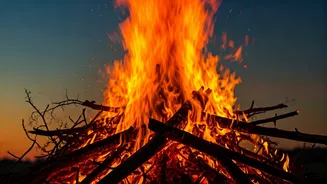
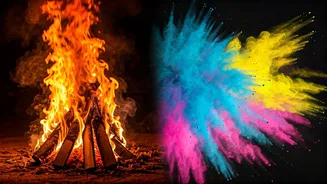
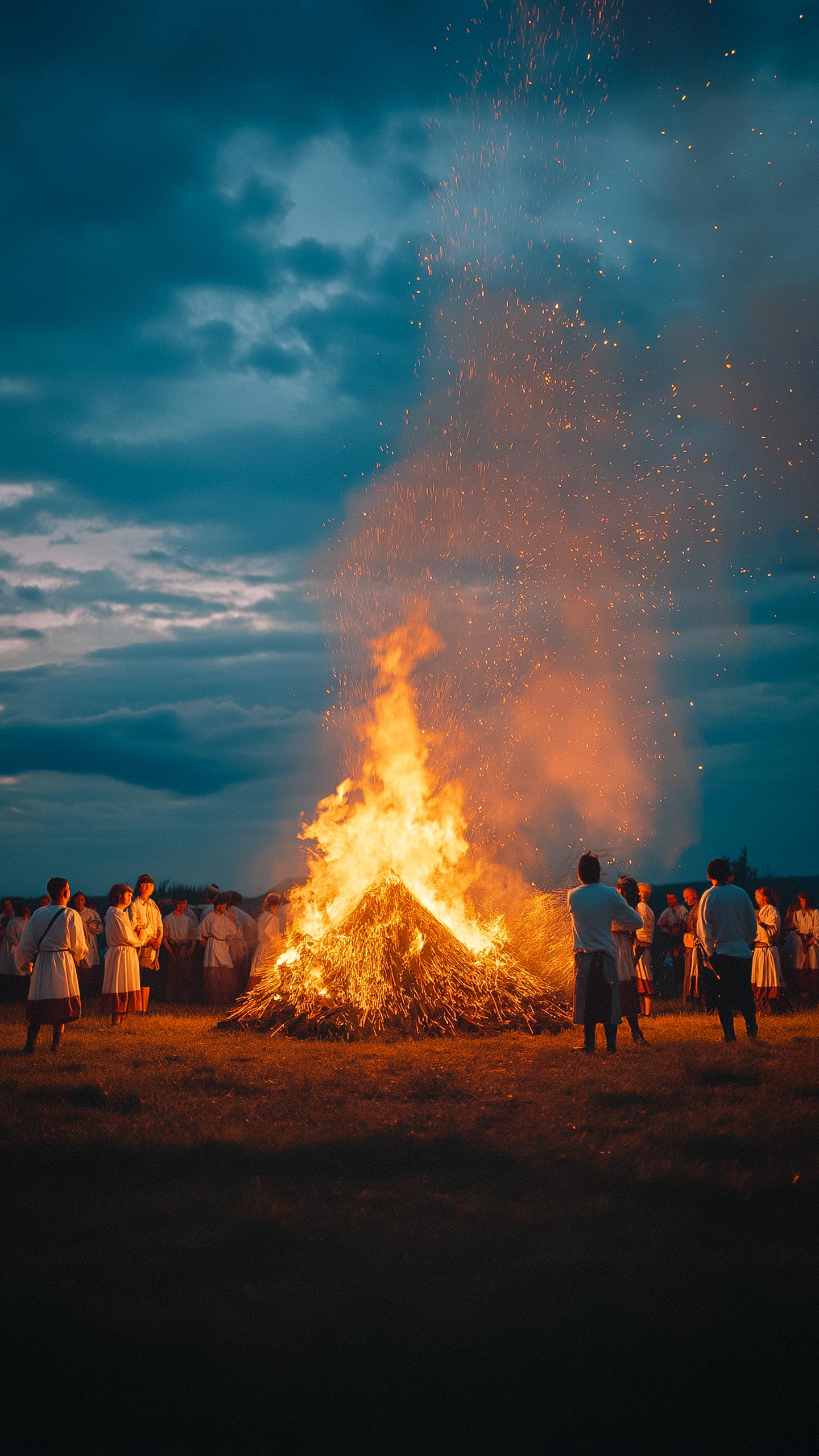
This eight-day observance is intrinsically linked to the vibrant festival of Holi, with 'Ashtak' signifying eight. According to astrological interpretations, specific planetary configurations during this time are believed to foster an atmosphere of instability, making it an inauspicious period for commencing significant new ventures. Consequently, individuals traditionally refrain from initiating major life events such as weddings, housewarmings, or starting new jobs or businesses. The period is also steeped in mythological narratives, notably the tale of Bhakta Prahalad and Lord Vishnu, with Holika Dahan symbolizing the triumph of good over malevolence. The preparations for the Holika bonfire begin during these eight days, setting a spiritual tone for the festivities that follow. Many embrace Holashtak as a time for introspection, devotion, and mental purification, viewing it as a crucial phase for spiritual cleansing and preparation for the renewal that Holi represents.
Rituals and Devotion
During Holashtak, a strong emphasis is placed on spiritual engagement and cultivating inner peace. Devotees are encouraged to immerse themselves in prayer, chanting mantras, and meditation, practices believed to mitigate negative energies and planetary influences. It is also a time to exercise self-control, consciously managing anger and refraining from negative thoughts, while fostering polite communication. Some individuals choose to observe celibacy during this period. A significant aspect involves seeking the divine grace of Lord Vishnu and Lord Narasimha. Reciting sacred texts like the Vishnu Sahastranama, Vishnu mantras, and Shri Hari Stotra is recommended, mirroring Bhakta Prahalad's unwavering devotion. Furthermore, the practice of charity and acts of kindness are highly valued. Offering alms, food, or clothing to the less fortunate, assisting animals, and engaging in compassionate deeds are considered meritorious, believed to attract positive karma and good fortune.
Activities to Postpone
Tradition dictates a pause on several major life events and activities during the Holashtak period to avoid potential disruptions or negative outcomes. Key among these are significant ceremonies such as weddings, housewarming rituals (Griha Pravesh), and the initiation of new employment or business ventures. Similarly, important religious rituals like Upanayanam (sacred thread ceremony) are typically deferred. Furthermore, individuals are advised to exercise caution regarding their surroundings and avoid contact with unidentified objects left in public spaces, especially at crossroads, as they are believed to harbor negative energies. Personal grooming practices like cutting hair and nails are also traditionally avoided. Acquiring new possessions, particularly clothing, footwear, gold, silver, or any form of jewelry, is discouraged during these eight days. Lastly, any rituals aimed at pacifying planetary influences, such as Graha Shanti Pujas, are to be postponed as the prevailing astrological conditions are considered unsuitable for such ceremonies.