
Khan's Transformation Unveiled
Aamir Khan's transformation gained considerable attention, largely due to his commitment to an anti-inflammatory diet, a strategy that played a key role
in his weight loss. The actor successfully lost 18 kilograms by modifying his eating habits. This dietary approach focuses on reducing inflammation within the body, which, in turn, can promote weight loss and improve overall health. This strategy, as emphasized, managed to be effective even without incorporating rigorous exercise routines. The focus is squarely on food, making the diet accessible to those who might prefer a less physically demanding approach. His achievement underscores the significant impact that dietary choices can have on one's physical well-being and appearance. It also highlights the growing interest in nutrition-based approaches to weight management.
Understanding Anti-Inflammation
The core of the anti-inflammatory diet lies in its ability to reduce chronic inflammation in the body. This is achieved by limiting foods that trigger inflammation and focusing on those that possess anti-inflammatory properties. Common culprits that cause inflammation include processed foods, sugary drinks, and foods high in saturated and trans fats. The emphasis is on fresh, whole foods that naturally combat inflammation. This method promotes overall well-being beyond weight loss, potentially reducing the risk of numerous health problems. This dietary approach acknowledges that a reduction in inflammation can significantly affect weight management and overall health outcomes. It suggests that individuals can achieve positive physical changes by making informed food choices and understanding how various food groups interact with their bodies.
Dietary Pillars Examined
The anti-inflammatory diet involves a strategic selection of foods designed to support overall health and weight loss. Key components of this diet include abundant consumption of fruits and vegetables, especially those with vibrant colors and high antioxidant content. These foods are packed with vitamins, minerals, and phytonutrients that help combat inflammation. Another important aspect is the inclusion of lean protein sources, such as fish and poultry, which are low in saturated fats. Healthy fats, like those found in olive oil, avocados, and nuts, are incorporated to aid in nutrient absorption. Furthermore, the diet emphasizes the intake of whole grains instead of refined carbohydrates. This promotes stable blood sugar levels and reduces the likelihood of inflammation. Limiting or eliminating processed foods, added sugars, and unhealthy fats is central to the diet's effectiveness.
Food Recommendations Detailed
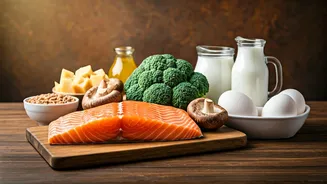
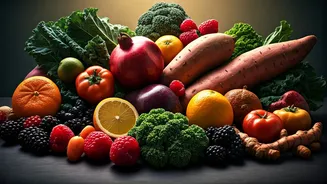
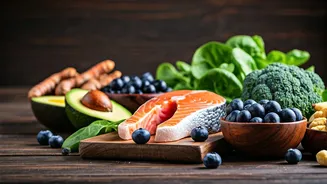
To effectively implement the anti-inflammatory diet, several food groups should be prioritized. Fruits and vegetables should form the foundation of most meals. Berries, leafy greens, and cruciferous vegetables like broccoli and cauliflower are especially beneficial. Selecting healthy fats, such as olive oil, avocados, and nuts, will help reduce inflammation and provide essential nutrients. Omega-3 fatty acids, found in fatty fish like salmon, are also highly recommended for their anti-inflammatory properties. Lean protein sources, including chicken and fish, should be favored over red meats and processed alternatives. Individuals should consciously opt for whole grains such as brown rice and quinoa instead of processed grains. Herbs and spices, particularly turmeric and ginger, which possess powerful anti-inflammatory properties, can be incorporated into recipes to boost flavor and effectiveness. Water should be the primary beverage of choice, with avoidance of sugary drinks.
Practical Implementation Tips
Incorporating the anti-inflammatory diet into daily life requires practical steps. Start by gradually replacing processed foods with whole, unprocessed alternatives. Plan meals ahead of time to ensure that you have healthy options readily available. Focus on preparing meals at home, which allows greater control over ingredients and portion sizes. Reading food labels carefully is also important to identify hidden sources of added sugar and unhealthy fats. When dining out, choose restaurants that offer healthy options and be mindful of portion sizes. Staying hydrated by drinking plenty of water is essential. Gradually increase the intake of fruits, vegetables, and other anti-inflammatory foods. Make gradual changes to your dietary routine, allowing your body to adjust. It’s also crucial to listen to your body and recognize any food sensitivities or intolerances.
Beyond Weight Loss Goals
The advantages of adopting an anti-inflammatory diet extend beyond weight loss. It can lead to improvements in overall health and well-being. By reducing inflammation, the diet can lower the risk of chronic diseases such as heart disease, type 2 diabetes, and certain types of cancer. It can also improve digestion, boost energy levels, and enhance mental clarity. The diet encourages a shift towards consuming nutrient-dense foods, which nourish the body with essential vitamins, minerals, and antioxidants. These nutrients help maintain a strong immune system and support cellular health. Making changes to what you consume enhances the quality of life overall. This type of eating promotes sustainable health improvements. This is achieved by focusing on whole, unprocessed foods and reducing exposure to inflammatory triggers. The long-term health benefits make this approach a viable strategy for those aiming to achieve sustained well-being.