
Early Forms of Dress
Throughout history, clothing has served purposes beyond mere protection from the elements. Early garments, often simple wraps and tunics, provided the initial
foundation upon which fashion would later build. These functional designs reflected the practical needs of the era and the available materials. As societies developed, so did the complexity of clothing. Embroidery, weaving techniques, and the use of natural dyes elevated garments, transforming them into symbols of status and belonging. These early forms, while rudimentary compared to today's fashion, laid the groundwork for the intricate and diverse world of clothing we see today, setting the stage for the dramatic shifts and developments that followed. These initial expressions of style hinted at the profound role clothing would come to play in cultural identity.
Corsets: Shaping and Restricting
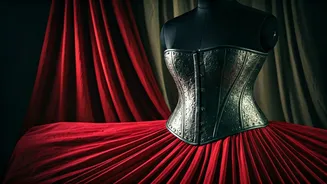
The corset, a symbol of both elegance and constraint, represents a significant chapter in fashion history. Originating in various forms across different cultures, the corset's primary function was to shape the body, particularly the waist. In certain periods, tightly laced corsets were seen as essential for achieving the desired silhouette, a look that epitomized societal beauty standards of the time. However, the restrictive nature of corsets often came at a cost. They could impact breathing, movement, and overall health. Despite its physical constraints, the corset also played a role in social signaling. It communicated wealth, status, and adherence to prescribed norms. The corset's design and use also reflect the complex relationship between fashion, power, and the female body, revealing how styles can dictate perceptions and exert control.
Ghagra-Cholis: Indian Freedom
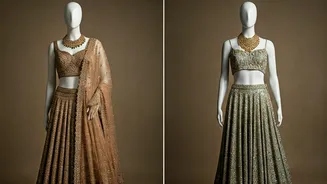
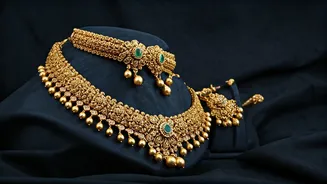
The ghagra-choli, a traditional Indian garment, presents a contrasting narrative to the restrictive nature of the corset. This ensemble, consisting of a skirt (ghagra), a blouse (choli), and a scarf (dupatta), embodies a sense of freedom and cultural identity. The ghagra-choli, with its flowing skirt and often vibrant colors, is designed for ease of movement and comfort, reflecting a more relaxed approach to style. This clothing provides cultural value within India, celebrating tradition, community, and personal expression. The ghagra-choli's versatility allows for variation in design, fabric, and embellishment, offering opportunities for individual expression. Its presence tells of fashion's capacity to communicate cultural heritage while offering freedom.
Fashion's Shifting Balance
The contrast between corsets and ghagra-cholis represents fashion's ongoing journey between control and freedom. While corsets symbolized societal pressure and physical restriction, the ghagra-choli represents liberation and cultural affirmation. These two garments highlight how fashion reflects cultural values and how standards evolve. In different cultures and eras, fashion has been molded to influence body perception. The history of fashion demonstrates how clothing can both reflect and shape social norms, influencing the ways we see ourselves and interact within society. The changing trends within fashion indicate a continuous dialogue between tradition, individual expression, and social ideals. It highlights the dynamic nature of style.
Modern Fashion's Evolution
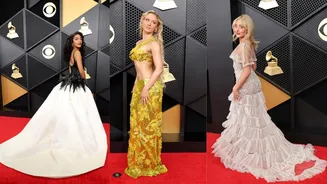
Today's fashion landscape is diverse, influenced by globalization, technology, and a growing emphasis on individuality. Contemporary designers experiment with a wide array of styles, embracing both form-fitting and relaxed silhouettes. The fashion industry considers sustainability, ethical production, and inclusivity. As societies become more open, fashion becomes an even more powerful tool for personal expression and social commentary. These changes in fashion reflect a broader cultural shift. The focus moves away from strict adherence to beauty standards toward celebrating diversity and self-acceptance. Modern fashion demonstrates the evolving relationship between personal freedom, creativity, and the power of clothing as a means of communication and self-representation.