








Drive Smoothly Always
The way you operate your vehicle's accelerator and brakes has a profound impact on how much fuel it consumes. Avoid abrupt starts and sudden stops whenever
possible. Gentle acceleration, rather than flooring the pedal, allows your engine to work more efficiently. Similarly, anticipating traffic flow and easing off the gas pedal to coast rather than slamming on the brakes conserves energy and reduces wear on your vehicle. Maintaining a consistent speed on the highway, using cruise control when appropriate, also minimizes fuel wastage. These subtle adjustments in driving style can lead to substantial savings over time and contribute to a more relaxed driving experience.
Tire Pressure Matters
Underinflated tires are a silent thief of fuel efficiency. When your tires lack the correct air pressure, they create more friction with the road surface, forcing your engine to work harder to move the car forward. This increased workload directly translates to higher fuel consumption. Regularly checking and maintaining your tires at the manufacturer's recommended pressure is a simple yet highly effective way to improve mileage. It not only saves fuel but also enhances tire lifespan and improves overall vehicle handling and safety. Make it a habit to check your tire pressure at least once a month and before long journeys.
Shed Unnecessary Weight
Every extra pound your car carries requires more energy to move, and that energy comes from your fuel. Think about what you store in your trunk or passenger cabin. Items like sports equipment, old groceries, or tools you don't regularly use all contribute to the vehicle's overall weight. Removing this dead weight can make a noticeable difference in fuel economy. It's a simple decluttering task that directly impacts your wallet by reducing the amount of fuel burned. Imagine your car as a runner – the lighter they are, the faster and more efficiently they can perform.
Regular Servicing is Key
A well-maintained vehicle is an efficient vehicle. Regular servicing ensures that all the components of your car are functioning optimally. A clean engine, properly functioning spark plugs, and clean air filters all contribute to better fuel combustion. When your engine is running smoothly and efficiently, it doesn't have to work as hard, and therefore, it consumes less fuel. Neglecting routine maintenance can lead to minor issues that escalate into significant fuel efficiency problems. Adhering to your car's service schedule is an investment that pays off in fuel savings and longevity of your vehicle.
Strategic Gear Usage
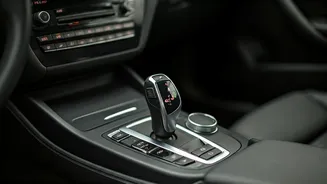
Using the correct gear for the driving situation is crucial for optimal fuel consumption. Driving in too low a gear at higher speeds, for instance, will cause your engine to rev unnecessarily high, burning more fuel. Conversely, being in too high a gear at low speeds can put excessive strain on the engine. Understanding your car's transmission and shifting gears at appropriate times, whether you have a manual or automatic transmission, allows the engine to operate within its most efficient RPM range. This mindful gear selection minimizes wasted energy and contributes to better mileage.
Minimize Idling Time
While it might seem insignificant, prolonged periods of idling can significantly drain your fuel tank. When your car is running but not moving, it's consuming fuel without covering any distance. This is particularly relevant when waiting for someone, stuck in traffic jams, or at drive-throughs. If you anticipate being stationary for more than a minute, it's often more fuel-efficient to turn off the engine and restart it when you need to move. Modern engines are designed to restart efficiently, and the fuel saved by shutting them off can outweigh the fuel used during restarting.
Plan Your Journeys
Smart trip planning can yield substantial fuel savings. By consolidating multiple errands into a single outing, you reduce the number of cold starts, which are less fuel-efficient. Furthermore, avoiding peak traffic hours and congested routes means less time spent idling or navigating slow-moving traffic. Consider using navigation apps that provide real-time traffic updates and suggest the most efficient routes. Thinking ahead about your travel plans and potential delays can help you optimize your driving time and minimize unnecessary fuel consumption.