





Embrace Resistance Bands
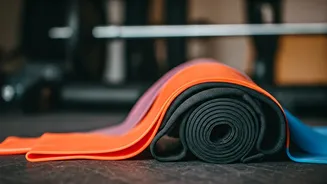
Resistance bands are versatile tools, providing a convenient way to exercise at home. They are particularly useful during winter when outdoor activities
become less appealing. Their portability and varying resistance levels make them suitable for all fitness levels, from beginners to seasoned athletes. Resistance bands engage multiple muscle groups simultaneously, enhancing overall strength and flexibility. They are cost-effective, easily stored, and allow for a full-body workout, making them a great choice for staying active throughout the winter months. Incorporating resistance band exercises into your routine can help improve posture, increase mobility, and reduce the risk of injury, all of which are essential for maintaining a healthy lifestyle, especially during periods of inactivity. This approach allows individuals to modify workouts, catering to their specific needs and physical capabilities, thereby maximizing the benefits of their exercise regimen.
Warm-up Before Exercise
Before diving into specific exercises, a proper warm-up is crucial. Start with 5-10 minutes of light cardio, like jogging in place or jumping jacks, to increase blood flow and prepare your muscles. Following cardio, dynamic stretching is highly recommended. These stretches involve movement, such as arm circles, leg swings, and torso twists, to increase your range of motion and prevent injuries. Dynamic stretching differs significantly from static stretching, which involves holding a stretch for an extended period. Dynamic stretches actively prepare your body for the movements you will be performing during your workout. Adequate warming up helps optimize your performance and significantly reduces the chance of muscle strains or pulls. It is a fundamental aspect of any exercise routine, ensuring your body is ready and receptive to the demands of physical activity.
Band Squats
Band squats are highly effective for strengthening the lower body. To perform this exercise, place the resistance band around your legs, just above the knees. Stand with your feet shoulder-width apart, keeping your back straight and core engaged. Slowly lower your body as if you're sitting in a chair, pushing your hips back. Ensure your knees do not extend past your toes. Descend until your thighs are parallel to the ground, or as low as comfortably possible, maintaining a stable position. Pause briefly, then slowly rise back to the starting position. This exercise targets the quads, hamstrings, and glutes, enhancing both strength and endurance. Varying the resistance level can be done by using bands with different strengths to make the exercise more challenging and engaging. For beginners, it's advised to start with lighter resistance to perfect form, and gradually progress as strength improves. Consistent practice ensures that this exercise contributes significantly to overall leg strength and stability.
Glute Bridges
Glute bridges are excellent for isolating and strengthening the glutes and hamstrings. Start by lying on your back with your knees bent and feet flat on the floor, placing a resistance band just above your knees. Engage your core, and lift your hips off the ground, squeezing your glutes at the top of the movement. Your body should form a straight line from your shoulders to your knees. Hold the position for a second or two before slowly lowering your hips back to the starting position. Make sure your core is engaged throughout the entire movement. This exercise is great for improving glute strength, which helps with posture and athletic performance. The resistance band adds extra tension, thus boosting the effectiveness of the exercise. Focusing on controlled movements is more effective than rapid ones. Regular practice can lead to noticeable improvements in glute definition and hip stability. This exercise is an accessible exercise that is accessible to all fitness levels.
Band Walks
Band walks are exceptional for targeting the glutes and enhancing hip stability. Place the resistance band around your ankles or just above the knees. Stand with your feet shoulder-width apart, slightly bending your knees and engaging your core. Step to the side, maintaining tension on the band, while ensuring your feet stay apart. Take 10 to 15 steps in one direction, then change direction. This exercise is particularly effective for improving lateral movement and can enhance athletic performance. Band walks are also beneficial for individuals looking to enhance their lower-body strength and stability. Keeping the core engaged throughout the exercise prevents any unnecessary strain on the lower back. The constant tension provided by the band amplifies the effect of the exercise, leading to greater muscle engagement. Regularly including band walks in your routine significantly enhances lower body strength.
Band Rows
Band rows are a simple yet effective exercise for working the back muscles. To perform, sit on the floor with your legs extended, loop the resistance band around your feet. Grip the band with your hands, palms facing each other. Keep your back straight, and pull the band towards your chest, squeezing your shoulder blades together. Maintain a slight bend in your elbows throughout the movement. Slowly release the band back to the starting position. This exercise is effective for improving posture and strengthening the upper back muscles, which can help alleviate any back pain or stiffness. Band rows are an excellent way to balance out your workout by targeting back muscles that are often underutilized. By focusing on controlled movements and ensuring proper form, you can maximize the effectiveness of this exercise and reduce the risk of injury. Including this exercise in your regular workout regimen leads to improved posture and upper body strength.
Band Bicep Curls
Band bicep curls are a straightforward exercise that is perfect for isolating the biceps. Stand on the resistance band with your feet shoulder-width apart and holding the other end of the band with your palms facing up. Keep your elbows close to your sides, and curl the band up towards your shoulders. Slowly lower the band back down to the starting position. This exercise effectively targets the biceps, enhancing arm strength. When performing bicep curls, keeping your elbows stationary helps isolate the biceps, maximizing the effectiveness of the workout. Using different resistance bands with varying levels of tension allows you to progressively challenge your muscles. Controlled movements are important to avoid the use of momentum, ensuring the bicep muscles do most of the work. Regular execution of this exercise promotes overall arm strength and definition.
Band Tricep Extensions
Band tricep extensions target the triceps, providing an excellent way to tone the back of the arms. Secure the resistance band by stepping on it with one foot, holding the other end of the band with one hand above your head. Keeping your elbow close to your head, extend your arm upwards, contracting the triceps. Slowly lower your arm back to the starting position, maintaining control throughout the movement. This exercise helps in building arm strength and definition. This exercise helps to enhance arm strength and definition. Ensuring your elbow stays near your head during the extension ensures that your triceps are fully engaged, thereby amplifying the workout benefits. Regular practice will help build strength and definition in the triceps, leading to more toned and shapely arms. Using bands of varying strengths allows the exercise to be modified to suit individual levels of fitness.
Cool-Down and Stretch
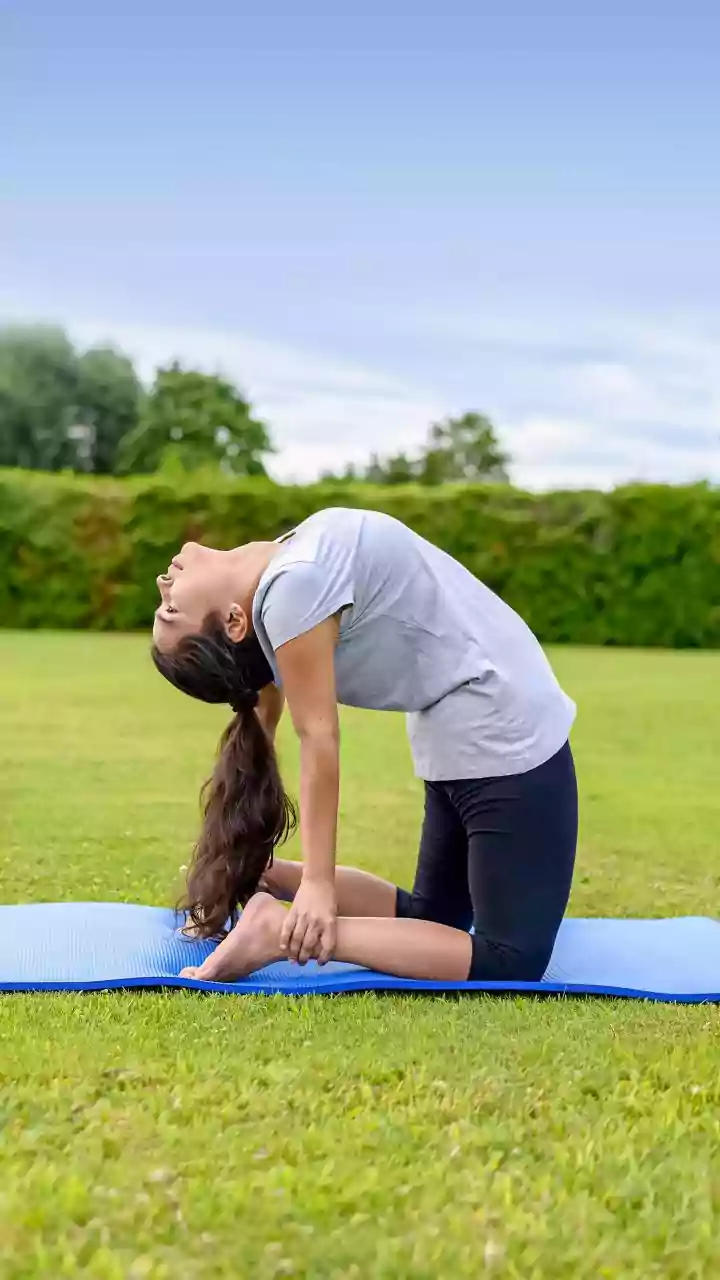
After completing your resistance band exercises, it is extremely vital to cool down and stretch. Cooling down involves performing gentle movements to gradually decrease your heart rate and allows your body to relax after a workout. Stretching is a crucial component to prevent injury. Perform static stretches, holding each stretch for 20-30 seconds, focusing on the muscles you worked during your workout. Stretching helps to improve flexibility, reduce muscle soreness, and promote blood flow. By regularly stretching, you can recover faster, reduce the risk of injury, and improve overall physical performance. This essential step helps the muscles repair themselves more efficiently. Cooling down and stretching should be an integral part of your exercise routine to achieve the most benefits from your workouts and maintain a high level of physical well-being.