







Barcode's Hidden Data
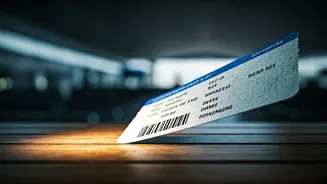
The barcode on your boarding pass, often scanned without a second thought, is a treasure trove of personal and travel-specific information. It adheres
to the IATA Bar Coded Boarding Pass (BCBP) standard, meaning it's designed to be easily decoded by airline systems and, unfortunately, by those with malicious intent using readily available smartphone apps. Within this seemingly simple code lies your full name, identical to your passport, and your Passenger Name Record (PNR) – that six-character alphanumeric code that acts as your booking identifier. Additionally, frequent flyer numbers can be embedded, offering insights into your travel habits or a pathway to stolen miles. In some cases, contact details like your email or phone number might also be linked. This data, once exposed, can unlock doors to unauthorized access and manipulation, making personal vigilance paramount in safeguarding your travel security.
Flight Manipulation Risks
The information contained within your boarding pass barcode, particularly your PNR and surname, grants unfettered access to an airline's 'Manage My Booking' portal for cybercriminals. This access allows them to perform a range of disruptive and damaging actions. They could arbitrarily change your seat assignment, perhaps moving you to an undesirable middle seat, or even cancel your entire flight, as documented in unfortunate instances seen on social media platforms like TikTok and Instagram. Beyond seat changes, they might alter your meal preferences for long-haul journeys, causing discomfort or inconvenience. This level of control over your booking highlights the severe consequences of an exposed PNR, turning a moment of social sharing into a significant security vulnerability that could disrupt your travel plans.
Identity Theft Gateway
Your PNR is more than just a booking code; it often functions as a master key to your entire travel profile within an airline's system. With just this and your surname, a hacker can potentially uncover a wealth of sensitive personal data. This can include the last four digits of your credit card used for booking, your passport number and date of birth (especially if provided for international travel), and your complete itinerary, detailing exactly where you are staying and when you will be returning. This comprehensive data breach goes beyond travel disruption; it opens the door to identity theft and account takeovers, posing a significant risk to your financial and personal security. The information gleaned can be used for fraudulent activities, making it crucial to protect this data at all costs.
Home Burglary Alert
Sharing your boarding pass online inadvertently broadcasts your absence from home to a wide audience, creating a heightened risk of burglary. The precise date and time of your flight, combined with information about your return journey often present in the barcode, provides potential burglars with a clear window of opportunity. They know exactly when your house will be empty and for how long. This digital announcement of your travel dates and duration turns your social media post into a potential beacon for opportunistic criminals. It's a stark reminder that personal security extends beyond digital systems to encompass real-world safety, especially concerning the vulnerability of your unoccupied residence.
Safe Sharing Practices
If you feel compelled to share your travel excitement online, adopting specific safety protocols is paramount to avoid compromising your sensitive data. Never rely on simple digital blurring or brush tools, as these can often be reversed, rendering your efforts futile. Instead, use a physical object, such as your passport or a thick piece of paper, to completely obscure the barcode and the PNR before taking or posting any photos. Ensuring the six-character booking reference is entirely hidden is crucial. The safest approach, however, is to wait until you have safely reached your destination or returned home before posting any 'throwback' travel photos. This simple act of delayed sharing significantly minimizes the risk of unauthorized access to your personal and travel information.
Personal Vigilance Key
Ultimately, security is a shared responsibility, and while systems play a role, personal vigilance is the most effective line of defense. As aviation experts emphasize, the aim is not to instill fear but to raise awareness about potential exposures and proactively mitigate risks before they escalate. A conscious effort to avoid posting boarding passes, or at the very least to meticulously cover critical information like the barcode and booking reference, can make a substantial difference. This principle of risk management, common in aviation, applies equally to our digital lives. Furthermore, even discarded physical boarding passes can pose a security threat. Always remember to shred any paper boarding passes after your flight rather than simply tossing them in the trash, ensuring no residual data falls into the wrong hands.