







Smooth Driving Habits
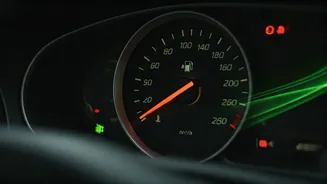
Adopting a gentle approach to driving is paramount for maximizing fuel efficiency. Abrupt acceleration and harsh braking are significant energy drains.
Instead, aim for gradual acceleration from a standstill and anticipate stops to allow your vehicle to coast to a halt. Maintaining a steady speed, especially on highways, is far more economical than constant speed fluctuations. Cruise control, when used judiciously on flat terrains, can help maintain this consistency. Furthermore, avoid excessive idling; if you anticipate being stopped for more than a minute, it's generally more fuel-efficient to turn off the engine. Being mindful of your throttle and brake inputs can collectively lead to a noticeable improvement in your car's mileage over time, making each drop of fuel work harder.
Proper Tire Pressure
Ensuring your tires are inflated to the manufacturer's recommended pressure is a surprisingly impactful, yet often overlooked, aspect of fuel economy. Underinflated tires create more rolling resistance, meaning your engine has to work harder to move the vehicle, thus consuming more fuel. Regularly check your tire pressure, ideally when the tires are cold, and inflate them to the levels specified in your vehicle's owner's manual or on the sticker typically found in the driver's side doorjamb. Overinflating tires can also be detrimental, leading to a harsher ride and uneven wear, but underinflation is the primary culprit for fuel waste. Maintaining optimal tire pressure not only boosts your mileage but also enhances tire longevity and improves overall vehicle safety.
Strategic Gear Shifting
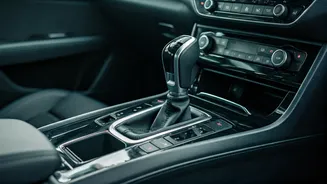
For vehicles with manual transmissions, skillful gear selection plays a vital role in conserving fuel. The objective is to keep the engine operating within its most efficient RPM (revolutions per minute) range. This typically means shifting to a higher gear as soon as it's practical without causing the engine to lug or struggle. Lugging occurs when the engine is under too much strain at a low RPM in a high gear. Conversely, revving the engine too high in lower gears unnecessarily burns more fuel. Learning to feel the engine's rhythm and making timely, smooth shifts will significantly contribute to better mileage. Even for automatic transmissions, gentle acceleration allows the transmission to shift into higher gears more efficiently.
Regular Vehicle Maintenance
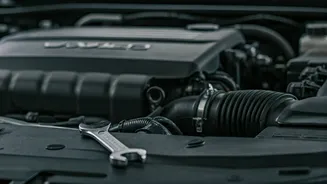
Consistent and proactive maintenance is the cornerstone of a fuel-efficient vehicle. A well-maintained car performs optimally, and this extends directly to its fuel consumption. Regularly replacing engine oil with the correct grade, ensuring air filters are clean and replaced when dirty, and keeping spark plugs in good condition are crucial. A clogged air filter restricts airflow to the engine, making it work harder and burn more fuel. Worn spark plugs can lead to incomplete combustion, wasting fuel. Furthermore, ensuring all emission control systems are functioning correctly is essential, as issues here can also negatively impact fuel economy. Scheduling routine check-ups with a qualified mechanic will help catch potential problems early, preventing costly repairs and ensuring your car runs as efficiently as possible.
Minimize Weight Load
The heavier your vehicle, the more energy it requires to propel it forward, directly impacting fuel consumption. Regularly declutter your car and remove any unnecessary items from the trunk or cabin. Extra weight, whether it's sports equipment you rarely use or a collection of old newspapers, adds a burden to your engine. Even small amounts of excess weight can accumulate over time and make a difference in your gas mileage. Think of it as carrying a backpack everywhere you go; the lighter it is, the easier it is to move. Prioritize carrying only what you truly need for your journeys to enjoy a more fuel-efficient ride and reduce the strain on your vehicle.
Optimize Aerodynamics
Reducing wind resistance, also known as aerodynamic drag, is another key factor in improving fuel efficiency. At higher speeds, the effort your engine expends to push through the air becomes a significant portion of the total energy used. Keeping your car's windows rolled up on the highway is more fuel-efficient than driving with them down, as open windows create considerable drag. Similarly, removing external accessories like roof racks or cargo carriers when they are not in use can make a substantial difference. These add-ons, even when empty, disrupt airflow and increase resistance. A sleek, streamlined vehicle profile means your engine works less to maintain speed, translating directly to better gas mileage.
Plan Your Routes
Smart route planning can lead to significant fuel savings by minimizing unnecessary mileage and avoiding common fuel-wasting scenarios. Before embarking on a journey, consider using navigation apps or services that can help you find the most direct and efficient routes. These tools often take into account real-time traffic conditions, helping you avoid congestion and stop-and-go driving, which are notorious fuel consumers. Planning ahead also allows you to group multiple errands into a single trip, reducing the number of cold starts your engine undergoes. A cold engine is less efficient until it reaches its optimal operating temperature. By consolidating your tasks and choosing less congested paths, you can make each gallon of fuel go further.