





Essential Jacket Features
When selecting a winter jacket, several key features contribute to its warmth and effectiveness. Insulation is paramount, with options like down, synthetic
materials, and wool. Down provides exceptional warmth-to-weight ratio, while synthetic alternatives retain insulation when wet, making them suitable for wetter climates. The jacket's outer shell should be water-resistant or waterproof, depending on the expected weather conditions, protecting against rain and snow. Consider the jacket's breathability, which allows moisture vapor to escape, preventing overheating during physical activity. Key elements also include a well-designed hood, adjustable cuffs, and a secure closure to seal out the elements. Pockets are vital for storing essentials like gloves and phones. Carefully evaluate the combination of these features to choose a jacket that suits your needs.
Exploring Jacket Styles
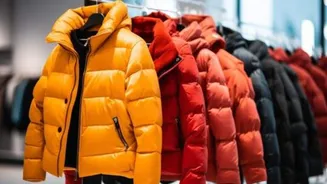
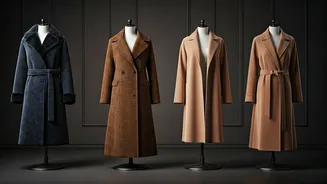
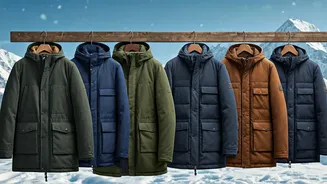
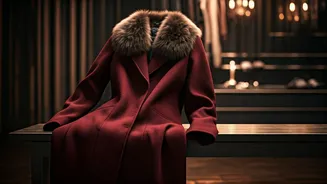
Men's winter jackets come in a wide range of styles, each designed for different purposes and preferences. Parkas are long, often hooded jackets that provide extensive coverage and warmth, making them ideal for very cold weather. They typically use down or synthetic insulation and offer multiple pockets. Puffer jackets, recognizable by their quilted construction, offer excellent insulation and are lightweight, perfect for everyday use in cold but dry conditions. They are available in various styles, from slim-fit to more relaxed designs. Overcoats, typically made of wool or a wool blend, are stylish options suitable for more formal occasions or milder winter days. They provide a sophisticated look and can be layered with warmer garments underneath. Finally, bomber jackets, originally designed for pilots, are now a classic fashion staple. While less insulated than other options, they provide a stylish and versatile layering piece, often made from leather or nylon with a ribbed waistband and cuffs.
Choosing the Right Fit
The fit of your winter jacket significantly influences both its warmth and your overall look. A well-fitting jacket should allow you to move comfortably, accommodating layers without feeling constricted. When trying on a jacket, make sure you can easily lift your arms and bend your elbows. The shoulder seams should align with your shoulders. The length of the jacket should also be appropriate for your height and style preference; longer jackets offer more coverage but might restrict movement. Consider the jacket's intended use and the layers you plan to wear underneath. If you often wear thick sweaters or additional layers, opt for a slightly looser fit. If the jacket feels too tight or limits your movement, it's probably too small. Refer to sizing guides, but always prioritize comfort and the ability to move freely.
Fabric and Materials
The materials used in a winter jacket determine its warmth, durability, and weather resistance. Down is a popular insulator, offering excellent warmth-to-weight ratio, but it loses its insulating properties when wet. Synthetic insulations, such as polyester or PrimaLoft, are water-resistant and perform better in damp conditions. Wool provides natural warmth and breathability, though it can be less wind-resistant without an outer shell. The outer shell's fabric is also crucial. Nylon and polyester are water-resistant and windproof, while Gore-Tex provides waterproof and breathable protection, suitable for harsh weather. Leather jackets offer style and durability but require special care and are not generally waterproof. Consider your typical winter conditions and activities when choosing the right fabric. Opt for durable, weather-resistant materials for a jacket intended for outdoor adventures and activities.
Caring For Your Jacket
Proper care ensures your winter jacket lasts for several seasons. Always follow the manufacturer's care instructions, as different materials require different cleaning methods. Down jackets typically require professional cleaning or specialized detergents designed for down. Synthetic jackets can usually be machine-washed, but avoid using harsh detergents or fabric softeners. Water-resistant and waterproof jackets may need re-treating with a durable water repellent (DWR) after washing to restore their performance. Store your jacket properly during the off-season. Clean it thoroughly, ensure it is completely dry, and store it in a cool, dry place, ideally in a breathable garment bag. Avoid compressing the jacket during storage, especially down-filled ones, as this can damage the insulation. Regular maintenance and proper storage extend the life of your jacket.
Styling Winter Jackets
Winter jackets offer numerous styling possibilities, allowing you to create different looks. For casual outfits, pair a parka or puffer jacket with jeans, a sweater, and boots. Add a beanie and scarf for extra warmth and style. Overcoats can be dressed up or down. Wear them over a suit for a formal look or combine them with chinos and a button-down shirt for a smart-casual ensemble. Bomber jackets look great with a variety of outfits. They complement jeans and a t-shirt or a collared shirt. Consider the jacket's color and texture. Neutral colors like black, navy, and olive green are versatile and easy to match. Experiment with patterns and textures, such as quilted designs or leather details, to add visual interest. Pay attention to accessories like gloves, scarves, and hats, which can enhance your overall look and add extra warmth.