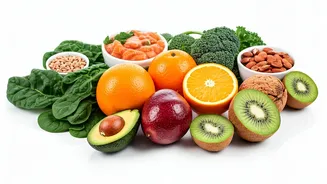








Understanding Inflammation's Impact
The cornerstone of Aamir Khan's dietary approach revolves around managing inflammation within the body. Chronic inflammation is frequently linked to a variety
of health issues, including weight gain. The actor's diet aims to address this by carefully selecting foods that actively reduce inflammation, thereby creating a favourable environment for weight loss. This strategy is distinct from many weight loss programs that focus on calorie restriction or exhaustive exercise regimes. Instead, it prioritizes the types of foods consumed, highlighting the pivotal role of nutrition in achieving and maintaining a healthy body weight. The emphasis is on nourishing the body with ingredients that promote healing and minimize inflammation to support overall well-being.
Core Diet Components Unveiled
At the heart of Aamir Khan's anti-inflammatory diet lies a focus on consuming foods that actively combat inflammation. This involves incorporating a significant amount of fresh fruits, vegetables, and lean protein sources. The actor's diet also emphasizes healthy fats, such as those found in avocados, nuts, and olive oil, which contribute to satiety and provide essential nutrients. Simultaneously, the diet strictly limits processed foods, refined sugars, and unhealthy fats, all of which are known to exacerbate inflammation. This shift towards whole, unprocessed foods supports overall health. This dietary plan is not just about weight loss; it is about embracing a lifestyle that supports the body's natural healing processes. These changes are designed to optimize the body's response to everyday stressors.
Foods To Embrace
The dietary plan champions a range of inflammation-fighting foods. These include leafy green vegetables like spinach and kale, which are rich in antioxidants. Berries, known for their high antioxidant content, play a key role in reducing inflammation and promoting overall health. Fatty fish such as salmon and tuna are excellent sources of omega-3 fatty acids, renowned for their anti-inflammatory properties. Other crucial components include nuts, seeds, and healthy oils like olive oil, all of which provide essential nutrients and support the body's optimal function. By integrating these foods into the diet, Aamir Khan's approach seeks to create a nutritional environment that fosters overall wellness and aids in weight management.
Foods To Avoid
Simultaneously, the diet specifically steers clear of certain foods known to trigger inflammation. Highly processed foods are a primary concern, as they often contain additives and unhealthy fats that can negatively impact the body. Refined sugars and sugary drinks are minimized due to their inflammatory effects and contribution to weight gain. Unhealthy fats, such as trans fats and excessive saturated fats found in fried foods and certain processed items, are also restricted. By carefully eliminating or drastically reducing these food categories, the actor’s plan aims to significantly lower inflammation levels, thereby facilitating weight loss and enhancing overall health. This focused approach to food selection is a key aspect of the diet's effectiveness.
Lifestyle Considerations
While the diet primarily focuses on nutrition, there are other lifestyle elements that support its effectiveness. Adequate hydration is important, as water plays a vital role in numerous bodily functions, including aiding in nutrient absorption and waste removal. Getting enough sleep is also essential, since sleep deprivation can contribute to increased inflammation and affect metabolism. Managing stress through practices like yoga or meditation further enhances the diet’s benefits, by minimizing the impact of stress on the body. Although the diet itself does not require exercise, incorporating light physical activity, such as walking, can complement the results by boosting metabolism and improving overall fitness. These additional measures work in synergy to promote wellness.
Making It Sustainable
One of the strengths of Aamir Khan's anti-inflammatory diet is its emphasis on sustainability. The approach avoids restrictive practices or extreme measures that might be difficult to maintain long-term. Instead, the focus is on establishing a balanced eating pattern that one can easily integrate into daily life. This involves gradually making changes rather than implementing abrupt, drastic modifications. Prioritizing meal planning and preparation, which reduces the temptation to resort to unhealthy alternatives, is also critical. Embracing a mindful approach to eating, by paying attention to hunger cues and savoring each meal, is also encouraged. These steps collectively support an approach to nutrition that promotes long-term health and makes the diet not just effective but also enjoyable and sustainable.