





Why Protein Matters
Protein is a cornerstone of good health, playing a vital role in muscle development, repair, and maintenance. It's also instrumental in managing weight
by increasing feelings of fullness and is essential for the creation of enzymes and hormones that regulate numerous bodily functions. Nutritional experts recommend an average daily intake of 0.8 to 1.2 grams of protein per kilogram of body weight, with active individuals potentially needing more. For adult men, this typically translates to 56-91 grams daily, while women might aim for 46-75 grams, though these figures can fluctuate based on lifestyle and health status.
Morning Protein Boost
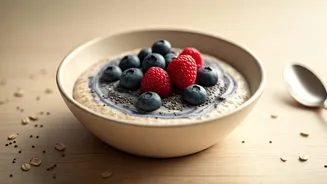
Kickstart your day with a protein-packed breakfast that sets a strong foundation for your 80-gram goal. A delightful option includes oats prepared with milk or yogurt, enhanced with a spoonful of honey, nutrient-dense chia seeds, and a handful of nuts. This combination can easily contribute between 20 to 25 grams of protein, ensuring you feel satisfied and energized throughout your morning without relying on less nutritious alternatives.
A Wholesome Lunch
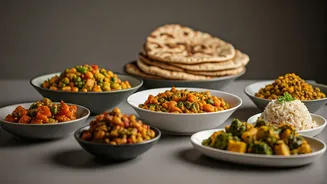
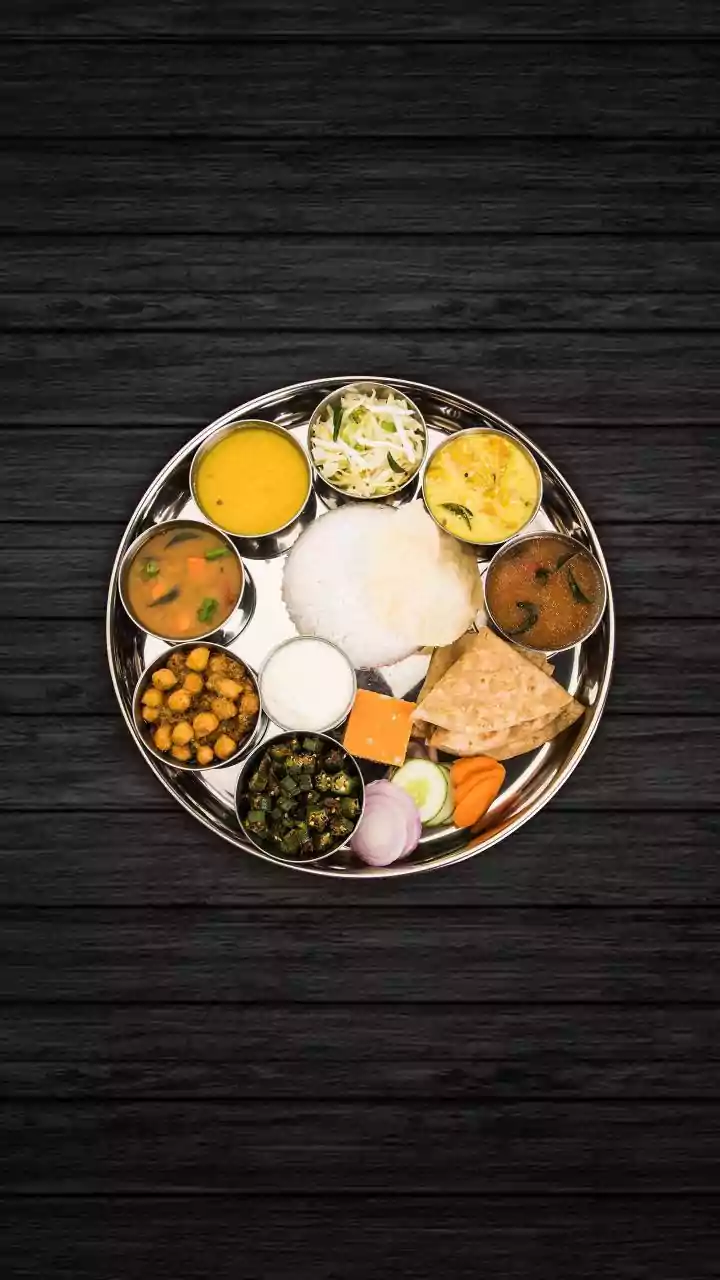
For your midday meal, a balanced vegetarian plate can significantly boost your protein intake. Consider including 100 grams of paneer, about 150 grams of lentils or chickpeas (dal or chana), a generous portion of green vegetables, a serving of rice, and a side of yogurt (dahi). This well-rounded vegetarian lunch can readily provide 25 to 27 grams of protein. If you opt for a non-vegetarian version, adding 120 to 150 grams of chicken to your meal can effortlessly elevate your protein count to approximately 35 grams, making it a substantial protein source.
Smart Midday Snack
The mid-afternoon slump is the perfect time to incorporate another protein-rich element into your diet, helping you stay on track for your daily target. A protein shake offers a convenient and quick way to consume around 20 grams of protein. Alternatively, a natural, protein-rich dessert or snack can also fulfill this requirement, providing a satisfying and healthful boost that bridges the gap between lunch and dinner.
A Protein-Rich Dinner
Conclude your day with a dinner that thoughtfully contributes to your protein goal, ensuring you meet the 80-gram mark. A meal featuring Khapli atta roti, a serving of dal, paneer preparation (sabzi), and dahi is an excellent choice. Khapli atta is particularly beneficial as it contains significantly less gluten and a higher protein content compared to regular wheat. This combination, alongside other components, rounds off your protein intake beautifully for the day.
Diversify Your Sources
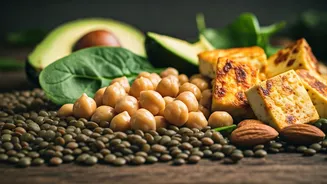
Achieving a comprehensive protein intake involves a variety of food sources. While animal products like lean meats, poultry, and fish are highly effective protein providers, plant-based options are equally valuable. Incorporating beans, lentils, tofu, and quinoa into your diet ensures you receive a broad spectrum of essential amino acids critical for bodily functions. Protein supplements, such as shakes or bars, can also serve as useful additions to a well-planned meal strategy, complementing whole food sources.
Important Health Considerations
While protein is crucial, it's important to be mindful of potential health implications, especially for individuals with pre-existing conditions. Excessive protein consumption can place additional strain on the kidneys. Furthermore, high protein intake might lead to increased calcium excretion, potentially affecting bone health. It is vital to ensure adequate calcium intake from diet or supplements. Always consult with a healthcare professional to determine the optimal protein intake tailored to your specific health needs and conditions.