





A Touch of Opulence
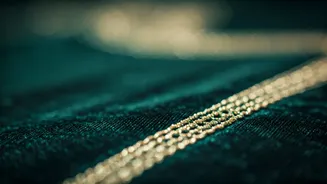
Velvet, with its soft, dense pile, has long been associated with royalty and affluence. Its creation, dating back centuries, required significant skill
and resources. In ancient civilizations, the use of velvet was often restricted to the elite due to its expense and complex production. The fabric's luxurious feel and appearance immediately signaled status and sophistication. The way the fabric drapes and catches the light enhances its inherent elegance, making it a favorite for formal attire and ceremonial garments. This association with power and prestige has ensured velvet's enduring appeal in fashion. It continues to be valued for its ability to transform simple designs into statements of high fashion.
Zardozi's Intricate Art
Zardozi, an ancient Indian embroidery technique, employs metallic threads to create elaborate designs on fabric. Originating in Persia, the craft was brought to India, where it flourished. Its complexity demands skilled artisans who can meticulously stitch gold, silver, and sometimes other precious materials onto textiles. The resulting creations are often intricate and visually stunning, reflecting the artistry and cultural heritage of the regions where they are made. Historically, Zardozi adorned royal garments, ceremonial items, and religious regalia. The intricacy of the designs and the preciousness of the materials ensured its value as a symbol of status and wealth. Today, it remains a highly sought-after technique for adding a touch of grandeur to modern apparel.
Craftsmanship's Legacy
The enduring appeal of velvet and Zardozi lies not just in their aesthetic qualities, but also in the craftsmanship involved in their production. Unlike mass-produced items, both velvet and Zardozi creations are often the result of painstaking handwork. This emphasis on human skill adds a layer of value and exclusivity, setting them apart in a world dominated by fast fashion. Each piece becomes a unique work of art, reflecting the dedication and expertise of the artisans. This commitment to traditional techniques ensures that the legacy of these crafts continues to live on. Consumers who appreciate luxury often value the human touch. They understand that it brings about pieces with rich cultural heritage.
Velvet & Zardozi Today
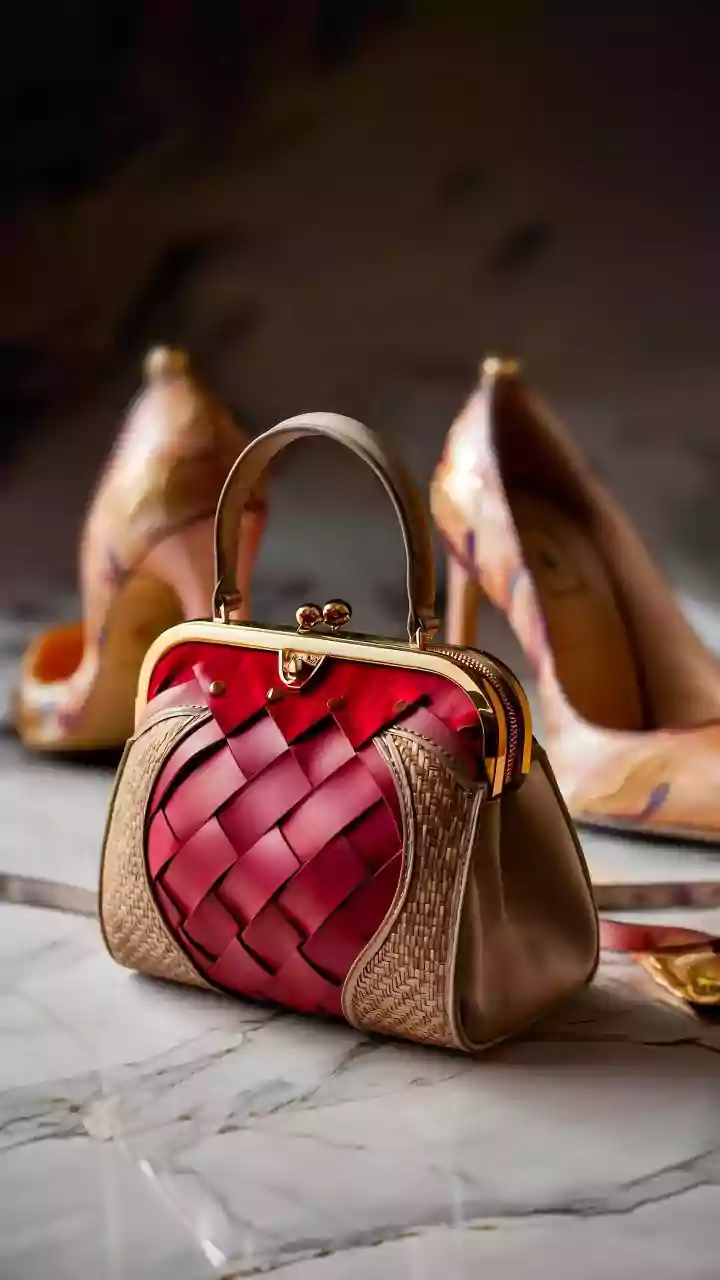
In contemporary fashion, velvet and Zardozi continue to thrive, albeit in new forms. Designers blend traditional techniques with modern styles, creating clothing that appeals to a wide range of tastes. Velvet can be found in everything from evening gowns and sarees to casual jackets. Zardozi embroidery adorns not just garments, but also accessories. It's often employed to elevate everyday items with a touch of elegance. This ability to adapt and evolve ensures that these classic elements remain relevant. Modern interpretations often incorporate contemporary colors and designs, making them accessible while still retaining their intrinsic luxury. This balance of heritage and innovation is critical for their sustained popularity.
Cultural Significance
Velvet and Zardozi are deeply intertwined with the cultural heritage of many societies, particularly in India. Zardozi embroidery is often used in bridal wear and festive garments. Its presence in these contexts highlights its importance in marking special occasions and celebrating tradition. Velvet, often used in rich jewel tones, adds to the celebratory aesthetic. The association of these materials with important cultural events ensures their continued use and preservation. Through these materials, communities pass down their traditions from one generation to the next. The continued use of these elements preserves a rich history for future generations, ensuring their cultural significance remains strong.
Sustainable Luxury
As consumers become more aware of sustainability, the handcrafted nature of velvet and Zardozi offers a compelling alternative to mass-produced items. Because they involve intricate processes and use high-quality materials, these items are often more durable. The longevity of these pieces reduces the need for frequent replacements. When these pieces are carefully produced, they are a better choice for the environment. Supporting artisans and preserving traditional crafts aligns with the principles of sustainable luxury. The focus is on quality over quantity and on preserving cultural heritage. This approach resonates with a growing number of consumers who value ethical consumption and timeless style.