



Understanding Holashtak's Roots
Holashtak marks a significant eight-day period leading up to the vibrant festival of Holi, originating from the Sanskrit words 'Holi' and 'Ashtak,' meaning
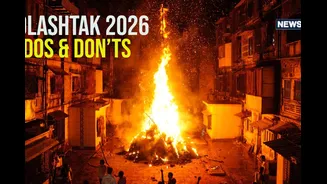
eight. This timeframe, observed before the main Holi celebrations, is steeped in tradition and belief. In 2026, Holashtak commences on February 24th and concludes on March 3rd, culminating with Holika Dahan. Astrologically, this period is associated with specific planetary alignments believed to foster volatile energies, prompting many to refrain from initiating new ventures. Instead, it's viewed as an opportune time for introspection, devotion, and spiritual cleansing, preparing oneself for the joyous festivities ahead. The narrative of Holashtak is closely intertwined with the epic tale of Prahalad and Hiranyakashipu, symbolizing the triumph of righteousness over malevolence, a theme that Holika Dahan powerfully embodies.
2026 Holashtak Dates & Times
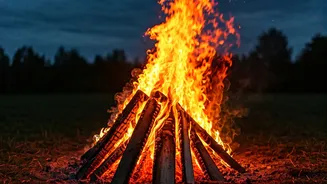
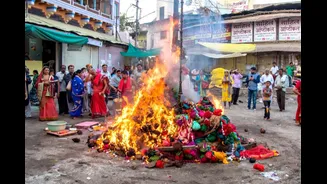
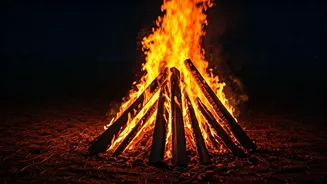
For the year 2026, Holashtak is scheduled to begin on Tuesday, February 24th, and will continue through Tuesday, March 3rd. This preparatory period sets the stage for the grand observance of Holika Dahan, which will occur on the evening of March 3rd. The auspicious timing for Holika Dahan, according to Drik Panchang, is between 06:22 PM and 08:50 PM, lasting for approximately 2 hours and 28 minutes. Rangwali Holi, the day of colors, will be celebrated the following day, March 4th. It's important to note that the Purnima Tithi, signifying the full moon, begins on March 2nd at 05:55 PM and concludes on March 3rd at 05:07 PM. Holika Dahan will specifically take place during the Pradosh period, without the influence of Udaya Vyapini Purnima, adhering to traditional astrological considerations.
Embracing Holashtak: Permitted Activities
During the Holashtak period, which spans the eight days leading up to Holi in 2026, certain spiritual and reflective practices are highly encouraged. Engaging in prayer, chanting mantras, and meditation are considered beneficial for mitigating negative energies and planetary influences. It is also advised to cultivate inner peace by controlling anger and negative thoughts, fostering polite speech, and some individuals observe celibacy. A significant practice involves seeking the blessings of Lord Vishnu and Lord Narasimha by reciting scriptures like Vishnu Sahastranama and Vishnu mantras. Furthermore, acts of charity and kindness, such as feeding the less fortunate or assisting animals, are believed to attract good fortune and positive karma during this auspicious time.
Holashtak: Activities to Forego
The Holashtak period is traditionally marked by a series of 'don'ts' to avoid disrupting the auspicious atmosphere and potentially inviting negative consequences. Major life events such as weddings, housewarming ceremonies (Griha Pravesh), starting new jobs or businesses, and important rituals like Upanayanam are strictly advised against during these eight days. Furthermore, it is recommended to refrain from touching unknown or suspicious objects found outdoors, especially at intersections, as they are thought to carry negative energies. Traditional beliefs also suggest avoiding haircuts and nail trimming during Holashtak. Delays are advised for purchasing new clothing, footwear, gold, silver, or jewelry. Lastly, performing Graha Shanti Pujas, which are based on planetary positions, is discouraged due to the perceived inauspicious astrological conditions of this period.