




Start With Purpose
Before you begin hammering nails, establish your wall's ultimate purpose. Consider the room and the overall aesthetic you want to achieve. Do you desire
a cozy, intimate space or a vibrant, energetic atmosphere? The arrangement should complement the existing decor and reflect your taste. Think about the mood you want to evoke – warmth, nostalgia, or perhaps a modern, minimalist vibe. Will this be a central focal point or a supporting element in the room's design? Defining your intentions guides your creative decisions, ensuring the final result harmonizes with your home's personality. Determine the number of photos you intend to display, the desired size, and the available wall space. This initial planning phase sets the stage for a successful and visually pleasing photo wall.
Grid Arrangements
The grid arrangement offers a clean, symmetrical layout. This design features photos of identical size arranged in neat rows and columns. Precision is critical with this method. Measure and mark your wall, maintaining consistent spacing between each photo. The grid approach creates a sense of order and structure, perfect for a modern or minimalist space. This layout works well with framed photos and allows the wall itself to become a gallery. Consider using a level to ensure perfect alignment, as even slight deviations can be noticeable. This structured approach is also easy to adapt as your photo collection grows; adding new images simply involves expanding the grid. Remember to choose images that complement each other in style or subject matter to enhance visual harmony.
Asymmetrical Composition
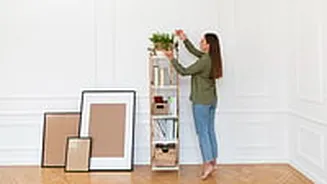
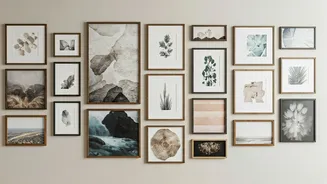
For a more relaxed and dynamic appearance, explore asymmetrical arrangements. This technique involves varying photo sizes and frame styles, creating a sense of visual interest and spontaneity. There is no rigid structure here; embrace the freedom to experiment. Begin by sketching out your desired layout on paper or using masking tape on the wall to visualize the arrangement. The goal is to balance the composition, ensuring it feels cohesive and visually pleasing. Consider incorporating a mix of frame sizes and materials to add depth and texture. Don't be afraid to overlap frames or let them slightly touch. The asymmetrical approach provides a more personalized and artistic flair, reflecting your creativity and individual style. Take breaks, step back, and adjust until the arrangement feels just right, ensuring the photos don't feel cluttered or overly chaotic.
Themed Collections
Create a story on your wall by organizing your photos around a specific theme. This could be a collection of family portraits, travel snapshots, or artistic black-and-white images. Themes add context and meaning, making your photo wall a more engaging experience. Select images that share visual or emotional connections. This approach transforms a collection of pictures into a curated narrative. Group photos by event, location, or subject. Consider using similar frame styles or color palettes to unify the collection. Thematic arrangement invites conversation and storytelling, enabling viewers to connect with the photos on a deeper level. This approach personalizes your space, converting your wall into a reflection of your passions and experiences. This gives the arrangement an extra layer of depth, making it more than a display; it's a conversation piece.
Frame and Space
The frames and the spaces between the photos are as important as the photos themselves. Frame choice impacts the wall's overall look; select frames that complement the images and enhance the decor. Think about color, material, and style. For a cohesive look, opt for a consistent frame style throughout. However, a curated mix can also be effective, especially in a more casual arrangement. Pay attention to the spacing between each photo. Too little and the wall might appear cluttered; too much, and the arrangement might feel disjointed. A general guideline is to maintain about two to three inches between frames. Adjust the spacing to fit the specific wall and photo arrangement. The right frames and strategic spacing will elevate your photo display and turn it into a captivating work of art.