



Chai & Crunchy Companions
For many in India, tea is more than just a beverage; it's a deeply ingrained ritual that often calls for a crunchy accompaniment. Biscuits and rusks are
the go-to choices, offering a satisfying texture to dip into the warm brew. However, for individuals mindful of their blood glucose levels, these seemingly innocent indulgences might be more impactful than they appear. Packed with refined flour, added sugars, and less-than-ideal fats, these popular tea-time staples can subtly disrupt the body's glucose regulation, leading to unintended consequences for health-conscious individuals. It’s important to understand the subtle differences and impacts these snacks can have on your metabolic health.
Rusks vs. Biscuits: A Closer Look
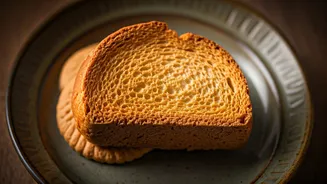
When comparing plain rusks and biscuits, the distinction in their impact on blood sugar isn't as vast as one might assume. According to Dr. Pranav Ghody, an Endocrinologist and Diabetologist, plain rusks may be marginally less detrimental primarily because they tend to be drier and often contain slightly less fat compared to biscuits. However, this difference is not substantial enough to warrant a definitive preference for health management. Both are predominantly crafted from refined flour, a common ingredient that can lead to a swift elevation in blood glucose levels. The key takeaway is that the quantity consumed plays a far greater role than the choice between rusks and biscuits; opting for a single small piece rather than mindlessly consuming several makes a significantly larger positive difference than simply choosing one over the other.
The Refined Flour & Sugar Culprit
The primary concern with most commercial biscuits and rusks lies in their core ingredients, particularly refined flour (maida). Dr. Ghody explains that refined flour is rapidly processed by the body, leading to a swift spike in blood sugar. When refined flour is combined with added sugar, the resultant glucose surge becomes even more pronounced and rapid. This sharp increase in blood glucose is often followed by an equally abrupt decline, which can trigger feelings of hunger and intense cravings shortly thereafter. This creates a detrimental cycle of frequent snacking and fluctuating, unstable blood sugar levels, making it challenging to maintain consistent energy and metabolic balance throughout the day. Understanding this mechanism is crucial for making informed dietary choices.
The Hidden Fat Factor
Beyond refined flour and sugar, the fats present in these snacks also pose a significant health concern. Dr. Ghody highlights that these fats are not merely empty calories; regular consumption can contribute to worsening insulin resistance over time. Insulin resistance signifies a condition where the body's cells become less responsive to insulin, the hormone responsible for regulating blood glucose. This diminished effectiveness in handling glucose is a major precursor to Type 2 diabetes and other metabolic disorders. Therefore, what might seem like a small, occasional indulgence in a biscuit can, with consistent habit, have a considerable long-term negative impact on metabolic health. It’s also worth noting that even products marketed as healthier options, such as 'digestive' or 'lite' biscuits, often still contain substantial amounts of refined flour and unhealthy fats, underscoring the need for careful label reading.
Healthier Chai Companions
To foster a healthier tea-time experience, Dr. Ghody advocates for replacing traditional biscuits and rusks with snacks that provide essential protein, fiber, or healthy fats. Excellent alternatives include a small portion of roasted chana (chickpeas), a modest handful of peanuts, or a serving of makhana (fox nuts). Even a slice of multigrain toast generously spread with peanut butter can be a more beneficial choice. For those seeking a more substantial option, a hard-boiled egg is highly recommended as it delivers quality protein, promoting a feeling of fullness that lasts longer and effectively curbs post-snack hunger. These nutrient-dense options help to slow down the absorption of sugar, mitigate significant post-meal glucose spikes, and prevent the onset of unnecessary cravings later in the day. Moreover, it's crucial to pay attention to the tea itself; if your chai is heavily sweetened, even the healthiest snack won't entirely counteract the sugar's effect, making it equally vital to reduce the sugar content in your beverage.