





Tires and Brakes Check
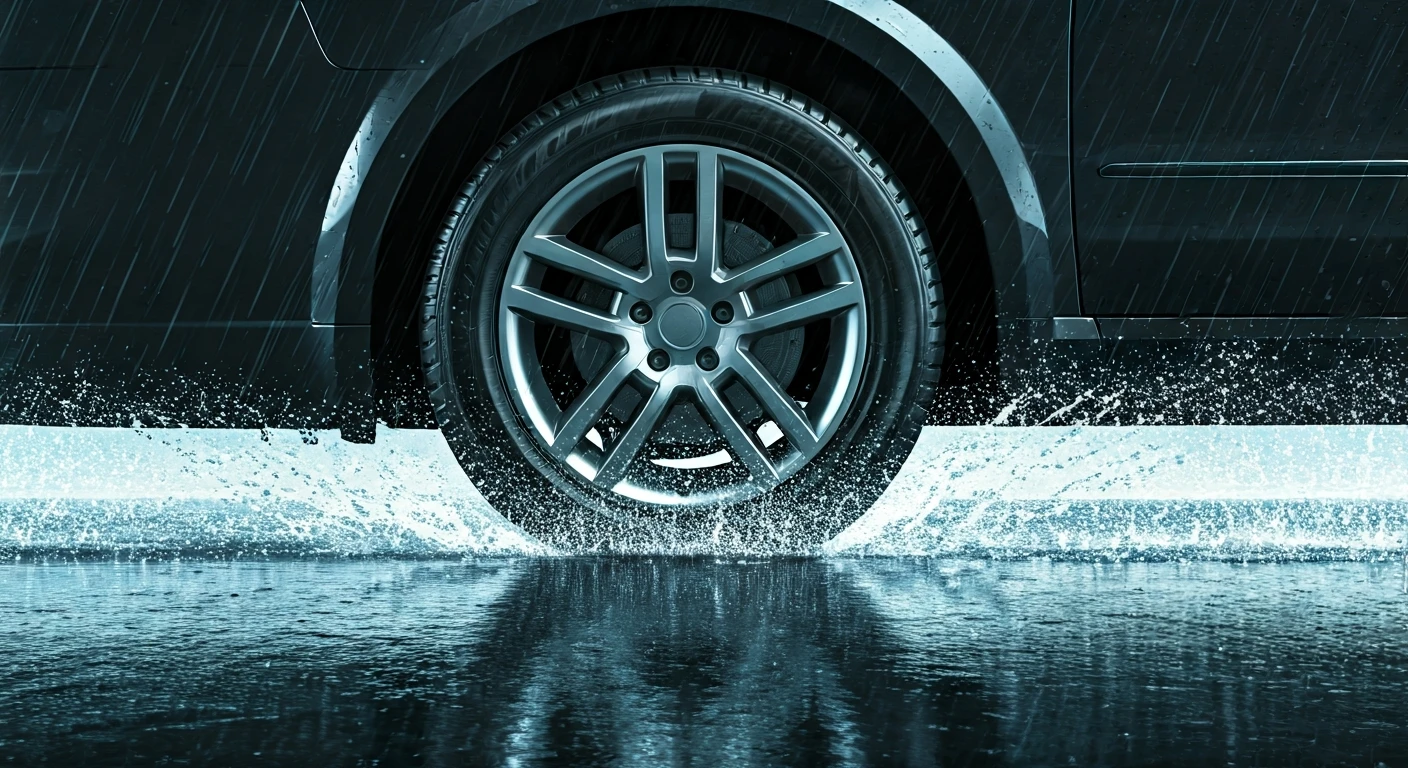
Before setting off on your rainy day adventure, a thorough inspection of your car's tires and braking system is paramount. Worn tires with inadequate tread
depth can significantly reduce grip on slick roads, escalating the risk of skidding. Ensure your tires are properly inflated and have sufficient tread. Equally critical are the brakes; they must be in peak condition to provide reliable stopping power, especially when encountering sudden traffic or navigating slippery inclines. A well-maintained braking system is your first line of defense against accidents on wet surfaces.
Strategic Headlight Use
Visibility is a major concern during rainfall, which often brings overcast skies and reduced natural light, even in the daytime. To combat this, it's imperative to switch on your headlights consistently. This isn't just about illuminating the path ahead for yourself; it's primarily about making your vehicle more conspicuous to other road users. By ensuring your headlights are operational and used appropriately, you enhance the overall safety of the road, allowing other drivers to better perceive your presence and react accordingly.
Moderate Your Speed
The increased slipperiness of roads during rain necessitates a reduction in driving speed. Maintain a steady and moderate pace, avoiding abrupt changes in velocity. Rapid acceleration or sudden, hard braking can easily lead to a loss of traction, putting your vehicle in a precarious position. Driving at a controlled speed provides more reaction time for unexpected obstacles or changes in road conditions, significantly mitigating the chances of an accident.
Ample Following Distance
When the roads are wet, the distance required for a vehicle to come to a complete stop increases considerably. It is therefore essential to maintain a greater separation between your car and the vehicle ahead than you would typically observe in dry conditions. This expanded safety buffer grants you the necessary time and space to react and brake safely if the car in front slows down unexpectedly or abruptly stops.
Sidestep Flooded Routes
During periods of heavy downpour, it is strongly advisable to steer clear of roads that have become submerged or waterlogged. Driving through deep water can inflict serious damage upon your car's engine and its intricate electrical systems. Furthermore, these flooded areas can conceal dangerous hazards like deep potholes or uneven road surfaces, which, if encountered unknowingly, could lead to severe accidents and vehicle damage.
Wipers and Defogger
Ensuring the functionality of your car's windshield wipers and defogger is a critical pre-journey check. Well-maintained wipers are indispensable for clearing rainwater from the windshield, thereby preserving clear visibility. Simultaneously, the defogger plays a vital role in preventing or removing condensation build-up on the inside of the windshield, ensuring that you can always see the road ahead without obstruction, which is crucial for safe driving in inclement weather.
Essential Emergency Kit
As a proactive measure for your monsoon road trip, it's prudent to pack a comprehensive emergency kit within your vehicle. This kit should include items such as a reliable flashlight, a well-stocked first-aid kit, a mobile phone charger to ensure connectivity, basic repair tools, and sufficient drinking water. These provisions are invaluable and can provide crucial assistance should you encounter any unforeseen difficulties or breakdowns during your journey.