



Time-Saving Transformation
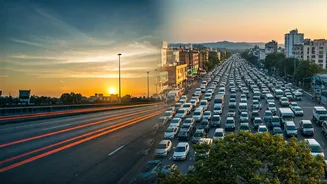
The advent of the Delhi–Dehradun expressway marks a significant leap in reducing travel duration between these two major locations. Previously, a journey
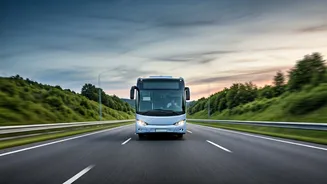
that would consume approximately six hours of a traveler's time has now been drastically shortened. Through rigorous testing, a direct route between Delhi ISBT and Dehradun ISBT has demonstrated an impressive completion time of just two hours and fifty-five minutes. This substantial reduction in travel time prioritizes passenger convenience and efficiency, making weekend getaways or business trips far more manageable and less time-consuming for everyone.
Affordable Travel Boost
The inauguration of the Delhi-Dehradun Expressway has not only expedited travel but also made it considerably more economical for commuters. As a direct consequence of the reduced travel distance and subsequent lower fuel consumption, bus services are now offering significantly reduced fares. For premium Volvo services, the price has dropped from Rs 945 to Rs 709, marking a saving of Rs 236. AC class travel now costs Rs 557, down from Rs 704, a saving of Rs 147. Even ordinary bus services have seen a fare reduction from Rs 420 to Rs 355, allowing travelers to save Rs 65. These adjustments ensure that the benefits of the new expressway extend to wallet-friendly travel for all passengers.
Engineering Marvel Features
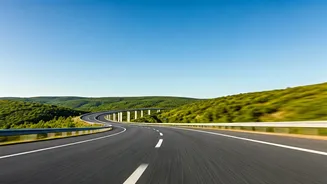
Beyond its primary function of shortening travel times, the Delhi-Dehradun Expressway stands as a testament to modern engineering and design. The highway is engineered to accommodate speeds of up to 100 km/h across its 6 to 12 lanes, stretching from Akshardham in Delhi through Loni, Baghpat, Baraut, Shamli, and Saharanpur to Dehradun. A crucial addition to the route is a 50.7 km spur that provides swift access to Haridwar, bringing it within a mere 2-hour reach from Delhi. Perhaps the most remarkable feature is a 12 km overhead bridge, the longest wildlife corridor in Asia, designed to facilitate safe passage for animals through the Rajaji National Park, integrating ecological preservation with infrastructure development.