





Introduction to Protein
Protein, a cornerstone of a balanced diet, is essential for building and repairing tissues, along with supporting various bodily functions. Plant-based
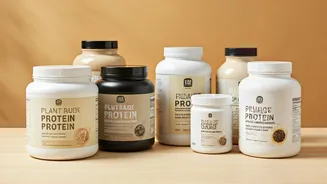
protein powders offer a convenient and ethical way to meet your daily protein needs, especially beneficial for vegans, vegetarians, or anyone reducing their meat consumption. The market is filled with options, but identifying the best can be challenging. This guide focuses on 7 top-rated, 2 kg plant-based protein powders, providing an in-depth look at their qualities. We'll examine their ingredients, nutritional profiles, and benefits, helping you find the ideal supplement to support your wellness journey. Focusing on these popular choices, we aim to simplify your search for the perfect plant-based protein companion.
Pea Protein Powerhouse
Pea protein is often lauded for its high protein content and digestibility. Derived from yellow split peas, it’s a complete protein source, meaning it contains all nine essential amino acids, although it may have lower levels of methionine. Pea protein is also known for its neutral taste, making it versatile for various uses. Each serving provides a substantial protein boost and is easily incorporated into smoothies, shakes, or baked goods. Its popularity stems from its accessibility and suitability for those with sensitivities to soy or dairy. Often, this protein is preferred by athletes or individuals looking to build muscle or boost their protein intake without animal products. Moreover, it aids in improving satiety and can contribute to weight management when included in a balanced diet.
Soy Protein's Versatility
Soy protein, extracted from soybeans, stands out as one of the most complete plant-based protein sources, containing all essential amino acids in sufficient quantities. Soy is highly versatile and widely used in protein powders. It boasts a complete amino acid profile, including all nine essential amino acids needed for muscle growth and repair. It is often lauded for its ability to lower cholesterol levels, and its affordability makes it accessible. Those with soy allergies, however, should avoid this protein. It is frequently seen as a cost-effective choice for those looking to boost their protein intake. Various types of soy protein exist, including soy protein isolate, soy protein concentrate, and textured vegetable protein, each with slight variations in processing and nutritional profile. It easily blends into shakes and other foods, enhancing its appeal as a dietary supplement.
Brown Rice Protein
Brown rice protein offers a hypoallergenic alternative for people sensitive to soy, dairy, or gluten. Extracted from brown rice, it’s less complete than soy or pea protein, having lower levels of lysine. It’s still a good source of protein, especially when combined with other plant-based sources. It is often easily digested, making it an excellent option for people who have digestive issues. Brown rice protein often works well for those with allergies. It is gentle on the stomach and promotes improved energy and recovery. It is considered to be one of the more natural protein sources, extracted with minimal processing to maintain its nutritional integrity. Usually, brown rice protein is appreciated for its mild taste and easy incorporation into various recipes, from smoothies to baked products.
Sunflower Seed Protein
Sunflower seed protein is a nutritious and allergen-friendly alternative for people with nut or soy sensitivities. Extracted from sunflower seeds, it is a good source of protein and fiber, offering a unique nutritional profile. Besides protein, it provides essential fatty acids and minerals. It has a slightly nutty flavor that can enhance the taste of smoothies and shakes. This protein option also delivers important nutrients, supporting overall health. It is particularly valued by those following restricted diets, making it a versatile ingredient. Its mild taste and beneficial nutritional aspects make sunflower seed protein a compelling choice for boosting protein intake.
Hemp Protein Benefits
Hemp protein stands out because it's derived from the hemp plant, rich in protein, essential fatty acids, and fiber. This protein is a complete protein, containing all the essential amino acids. It has a distinctive nutty flavor and is often minimally processed, helping to preserve its natural nutrients. Its high fiber content supports digestive health, making it an excellent choice for overall well-being. Hemp protein also provides omega-3 and omega-6 fatty acids, beneficial for heart health. It's often chosen by individuals seeking a natural and unprocessed protein source. The combination of protein, fiber, and essential fatty acids makes hemp protein a unique and beneficial option for a balanced diet.
Blending Protein Sources
Combining different plant-based proteins can create a more complete amino acid profile than a single source alone. This approach ensures all essential amino acids are adequately consumed, maximizing muscle building and repair. For example, blending pea protein with brown rice protein can provide a more balanced profile. By selecting a mix of protein sources, individuals can also benefit from different nutrient profiles and unique health benefits. This method provides flexibility in taste, texture, and digestibility, allowing a tailored approach to meet specific dietary needs. This ensures a diverse intake of nutrients and enhances the overall nutritional value. It allows for a more comprehensive approach to supplementation, supporting enhanced athletic performance and general health.