





Shade from Sunlight
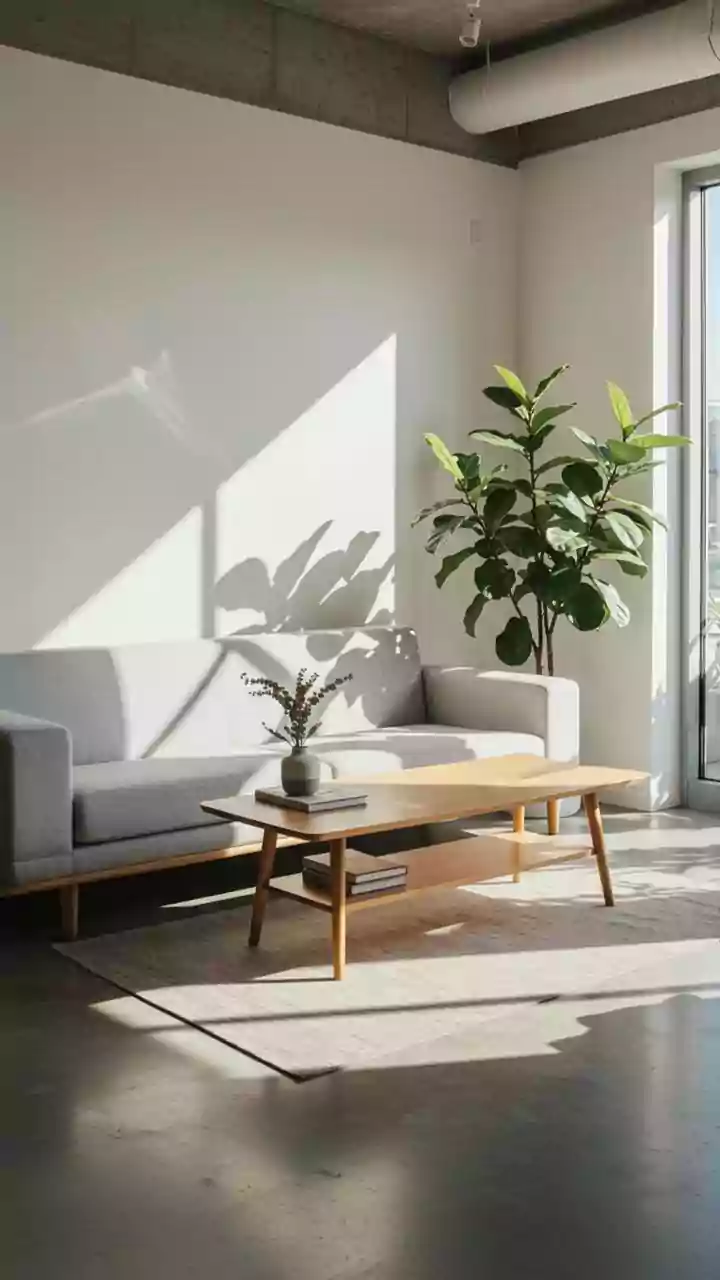
One of the most effective natural cooling methods involves strategically managing sunlight. Employing light-colored curtains made from breathable fabrics
like cotton or linen, and using bamboo blinds (known as 'chiks' in some regions), can significantly reduce heat absorption. These materials, common in traditional Indian architecture from Rajasthan's grand havelis to Kerala's coastal homes, effectively reflect between 40% and 60% of incoming solar radiation, particularly during the peak sun hours between 10 am and 4 pm. It's advisable to keep windows on the east and west sides fully closed during these intense periods. Opting for sheer white curtains allows natural light to filter in, keeping rooms bright yet cool. In some humid regions, like Kerala, a unique practice involves moistening 'khus' curtains at night; as the water evaporates, it actively cools the air, lowering the indoor temperature.
Harnessing Cross-Ventilation
Creating a natural airflow within your home is a key strategy for summer comfort, a practice observed in states like Tamil Nadu and Gujarat. This involves a specific nighttime ritual where residents open opposite windows and doors of their rooms once the ambient air temperature begins to drop after 8 pm. This deliberate arrangement establishes 'wind tunnels,' facilitating the expulsion of hot, stagnant air from the living spaces and drawing in the comparatively cooler outdoor breeze. To further enhance this effect, portable fans can be strategically placed to 'pull' the refreshing street breeze into the house, effectively circulating cooler air and reducing indoor heat build-up.
Indoor Green Oasis
Integrating indoor plants offers a multifaceted approach to natural home cooling. Even in areas that typically enjoy milder climates but are now experiencing intensified summers due to climate change, such as Bengaluru, greenery plays a vital role. Plants like areca palms, snake plants, ferns, and money plants, when strategically placed near windows, contribute to evaporative cooling by releasing moisture into the air. This process not only purifies the indoor atmosphere but also provides localized shade, helping to lower the surrounding temperature. The combined effect of moisture release and added shade creates a more temperate microclimate within homes.
Evaporative Cooling Magic
Drawing inspiration from arid regions, many parts of India, including Punjab and Uttar Pradesh, utilize evaporative cooling techniques. This involves placing shallow terracotta trays, pots, or even damp clay bowls near fans. As water evaporates from these containers, it cools the air, mimicking the function of traditional desert coolers. Another effective method is to periodically mist or mop the floors of your home during the evenings. This simple act introduces moisture into the air, which then evaporates and absorbs heat, leading to a noticeable drop in room temperature, making it more comfortable for sleeping.
Fabric & Appliance Choices
In coastal regions like Goa and Mumbai, adapting home furnishings is crucial for summer comfort. Swapping heavy, synthetic bedding, upholstery, and floor coverings for lighter, breathable materials such as cotton and linen is a common practice. These natural fabrics absorb significantly less heat during the day compared to their synthetic counterparts. Furthermore, making conscious choices about daily activities can help manage indoor heat. Opting for cooking methods that require minimal gas usage, or preparing dishes that can be served at room temperature or chilled, reduces the heat generated within the home. This mindful approach to both textiles and culinary habits contributes to a cooler living environment.