


Chabua's Pioneering Spirit
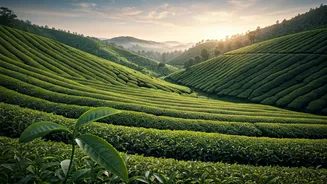
Tracing its roots back to 1837, Chabua Tea Estate stands as a testament to India's nascent tea industry, widely recognized as the nation's inaugural tea garden.
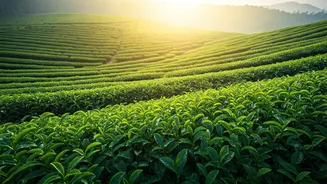
Nestled in the verdant landscapes of Assam, this estate was instrumental in spearheading the development of commercial tea cultivation across the country. Its very name, translating to 'tea water,' intimately connects it to the art and practice of tea growing. Chabua is celebrated for its distinctive Assam tea, renowned for its full-bodied flavour, deep, inviting colour, and robust character, setting a benchmark for producers of this iconic Indian brew and continuing to influence tea production in the region even after its permanent closure.
Manohari's Artisanal Touch
Emerging in the latter part of the 19th century, Manohari Tea Estate has carved out a significant niche for itself by consistently producing premium orthodox teas. Located within the celebrated tea-producing district of Dibrugarh, this estate masterfully weaves together time-honored cultivation techniques with contemporary innovations. It's particularly noted for its creation of small-batch, artisanal teas that appeal to discerning palates. The estate's enduring commitment to quality and its deep-seated history have cemented its status as a highly esteemed name among tea aficionados worldwide, embodying a perfect synthesis of heritage and modern craftsmanship in every cup.
Happy Valley's Darjeeling Charm
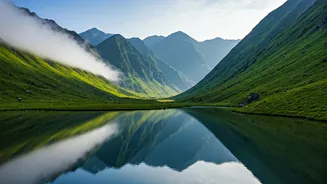
Established in 1854, Happy Valley Tea Estate holds a distinguished position as one of Darjeeling's most venerable and recognizable tea gardens. Situated amidst the breathtaking vistas of the Himalayan foothills, this estate is the source of the globally acclaimed Darjeeling tea, often hailed as the 'champagne of teas.' Beyond its exceptional tea production, Happy Valley is also a significant draw for tourists, offering visitors an immersive experience into the intricate processes of traditional tea manufacturing. Its stunning location and the superior quality of its tea make it a must-visit for anyone interested in the cultural and agricultural tapestry of the region.
Singampatti's Southern Flavors
Hailing from the picturesque Nilgiris region, Singampatti Tea Estate boasts a history stretching back to the mid-19th century. This estate is a vivid illustration of how tea cultivation expanded its reach into the southern reaches of India, flourishing amidst its lush, biodiverse hills. Singampatti is celebrated for producing Nilgiri teas, which possess a distinctively smooth profile and captivating aroma, setting them apart from the bolder teas typically found in Assam and Darjeeling. Its existence highlights the diverse terroirs and unique microclimates that contribute to the varied spectrum of Indian tea.
Dunsandle's Fragrant Legacy
Founded during the colonial era in the 19th century, Dunsandle Tea Estate ranks among the earliest tea plantations to be established in the Nilgiris. The estate capitalizes on the distinct climatic conditions characteristic of the region, which impart a unique fragrance and a light, brisk quality to its teas. Dunsandle's enduring presence serves as a powerful reminder of the westward and southward expansion of India's tea industry, demonstrating that its cultivation and success were not confined solely to the northeastern territories, but flourished across diverse geographical landscapes.