







A Difficult Diagnosis
During a recent public appearance, actor Varun Dhawan disclosed a significant health challenge his young daughter, Laara, faced shortly after her birth
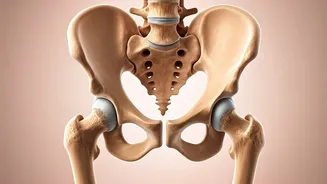
in April 2021. Laara was diagnosed with Developmental Dysplasia of the Hip (DDH), a condition characterized by an unstable hip joint where the socket doesn't fully encase the ball of the thigh bone. This diagnosis presented immediate concerns for the parents, Varun and Natasha Dalal, as it directly impacted Laara's ability to move and develop normally. The condition, which can have various causes including genetic predispositions and womb positioning, necessitates prompt medical attention to ensure optimal outcomes for the child. Dhawan's open sharing of this personal struggle sheds light on the anxieties and resilience required when navigating such pediatric health issues, underscoring the importance of awareness and early intervention in managing DDH.
The Cast and Recovery
The revelation from Varun Dhawan detailed the intensive treatment Laara underwent for her hip dysplasia. To correct the condition and stabilize her hip joint, she had to be fitted with a cast that she wore continuously for a period of two and a half months. During this extensive duration, Laara was unable to walk, marking a profoundly challenging phase for the entire family. Varun expressed the difficulty of this time, emphasizing the emotional toll it took. However, he also conveyed immense relief and happiness that his daughter is now recovering well and has regained her ability to walk. The actor extended his heartfelt gratitude to his family and friends for their unwavering support and encouragement throughout this demanding period, acknowledging the crucial role their backing played in helping them navigate this medical hurdle.
Broader Implications
Varun Dhawan's candid sharing of his daughter Laara's experience with hip dysplasia, also known as DDH, has resonated with many, bringing greater public attention to a condition that affects numerous infants and young children. Developmental Dysplasia of the Hip is a relatively common issue, and its early detection is paramount for effective treatment. The success of interventions, often involving specialized braces or casts like the one Laara wore for 2.5 months, can significantly alter the long-term prognosis, potentially averting the need for more complex surgical procedures later in life. Dhawan’s openness serves as a valuable reminder of the importance of seeking timely medical advice for any developmental concerns and highlights the critical role of a strong support system, encompassing both professional medical guidance and emotional backing from loved ones, in overcoming such health challenges.