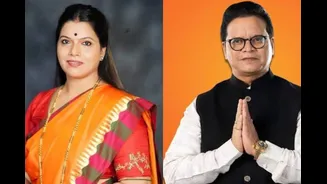









Understanding BMC Elections
The BMC elections represent a critical aspect of local governance within the Indian context, specifically in Mumbai. These elections serve as the cornerstone
for selecting the representatives who will govern the city, addressing its diverse needs. The BMC, or Brihanmumbai Municipal Corporation, stands as one of the wealthiest municipal bodies in India, responsible for a vast array of civic services that directly impact the daily lives of millions of residents. The significance of these elections extends beyond mere administrative duties, encompassing crucial roles in determining public policies, allocating resources, and shaping the future trajectory of Mumbai. Voter turnout, candidate performance, and the strategic positioning of political parties collectively influence the election's final outcome. The outcome of BMC elections often reflects broader political trends and influences the regional and national political landscape. A thorough understanding of the election process, the stakes involved, and the potential impacts helps voters make informed choices and actively participate in civic life.
The Electoral Process
BMC elections follow a detailed, multi-step process designed to ensure fair and transparent representation. The procedure commences with the delineation of wards, or electoral divisions, across the city. Each ward then becomes a battleground where different political parties and independent candidates contest for votes. After the wards are defined, the election commission prepares the electoral rolls, ensuring all eligible citizens are registered. Following this preparation, the election campaigns begin, with candidates using various strategies to engage with voters and promote their agendas. This is followed by the voting day itself, when citizens exercise their right to choose their representatives. After voting concludes, the votes are counted, and the winning candidates are declared. These elected officials then begin their tenure, taking on the responsibility of representing their ward and contributing to the BMC's governance. This comprehensive process, from ward delineation to vote counting, provides the structure necessary to maintain order and fairness during the election process, ultimately ensuring that elected officials are legitimately chosen by the community they intend to serve.
Key Political Players
The BMC elections involve a range of political parties, each vying for power. Major players traditionally include the Shiv Sena, the Bharatiya Janata Party (BJP), the Indian National Congress (INC), and the Nationalist Congress Party (NCP). These parties often present distinct ideologies, policy platforms, and strategic goals that appeal to different segments of the electorate. The Shiv Sena, with its roots in regional identity, frequently campaigns on issues of local concern and identity. The BJP, on the other hand, often focuses on broader development and national interests. The INC and NCP generally promote secularism and social welfare programs. The electoral success of each party depends significantly on factors such as their ability to mobilize voters, the popularity of their candidates, and the strength of their organizational structures. Additionally, alliances, both formal and informal, can significantly shift the balance of power, creating new dynamics and outcomes in the BMC. The interplay of these parties, their strategies, and their relationships form the core of the political landscape in the BMC elections.
Campaign Strategies and Tactics
Election campaigns in the context of the BMC elections typically adopt a variety of strategies and tactics aimed at capturing the voters' attention and, subsequently, their votes. Candidates and parties deploy a multifaceted approach, from direct outreach to strategic public relations. Public meetings, rallies, and door-to-door canvassing are essential for connecting with voters, allowing direct communication of their platforms and promises. The use of social media and digital platforms has become increasingly common, with campaigns leveraging these technologies to enhance their reach and interact with a broader audience. Media coverage, including both print and electronic media, plays a significant role in influencing voter perception and shaping the public narrative surrounding the election. The effectiveness of campaign strategies relies on a number of factors, including the candidate's charisma, the relevance of their policy proposals, and the overall narrative they construct to resonate with voters. Furthermore, the ability to mobilize volunteers and resources, combined with targeted messaging, are crucial elements that contribute to the success of a campaign.
Impact and Significance
The BMC elections hold a critical significance in the context of Mumbai, touching various aspects of civic life. The results directly determine the composition of the municipal corporation, impacting governance, the allocation of funds, and the implementation of crucial public services. Winning candidates have the authority to influence policies affecting infrastructure, healthcare, education, and other vital aspects of the city's development. The elections also serve as a barometer of the public's sentiments toward the current ruling party or government, shaping broader political discourse and potentially influencing the outcomes of state and national elections. Increased voter turnout and active participation enhance the legitimacy of the election outcomes and encourage the accountability of elected representatives. These elections reflect a dynamic interplay of local interests, political strategies, and public opinion, solidifying their importance in Mumbai's future. The impact extends beyond mere administration, playing a vital role in shaping the city's environment, economy, and social well-being.