



Greenland's Arctic Dominion
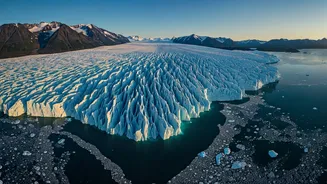
At the pinnacle of island size, Greenland stands supreme, boasting an immense area of 2,166,086 square kilometers. This massive Arctic territory is characterized
by its vast ice sheet, which covers the majority of its landmass, significantly impacting global climate patterns. Its sheer scale makes it a unique geological and environmental phenomenon, dwarfing most other islands and offering a stark, beautiful landscape shaped by ice and cold. The island's geographical isolation and frozen environment contribute to its distinct ecosystem and historical significance.
New Guinea's Tropical Grandeur
Following Greenland, New Guinea secures the second position with an impressive 785,753 square kilometers. This island is renowned for its incredible biodiversity, supporting vast rainforests and a multitude of indigenous cultures. Its rugged interior, characterized by high mountain ranges and dense jungle, makes exploration challenging yet rewarding. The island's climate is tropical, supporting a rich array of flora and fauna that are found nowhere else on Earth, making it a vital hotspot for conservation efforts and a treasure trove of natural wonders.
Borneo: A Biodiversity Hub
Third on our list is Borneo, a sprawling island with an area of 743,330 square kilometers. This landmass is a critical global center for biodiversity, particularly famous for its ancient rainforests, home to orangutans, pygmy elephants, and countless other species. The island is politically divided among three nations – Indonesia, Malaysia, and Brunei – each contributing to its unique cultural tapestry. Its natural resources, especially its forests and mineral wealth, have shaped its history and continue to be a focus of economic and environmental discussions.
Madagascar's Unique Charm
Ranked fourth, Madagascar covers a substantial 587,713 square kilometers and is celebrated for its extraordinary endemic wildlife. Isolated from the African mainland for millions of years, the island has evolved a unique array of plants and animals, including its famous lemurs. Its diverse landscapes range from dry deciduous forests in the south to lush rainforests in the east and highlands in the interior. The island's distinct evolutionary path and rich natural heritage make it a place of immense scientific interest and natural beauty.
Baffin Island's Arctic Wilderness
In fifth place, Baffin Island presents a vast Arctic wilderness spanning 507,451 square kilometers. It is the largest island in Canada and is characterized by its dramatic fjords, rugged mountains, and vast tundra. This island is home to Inuit communities who have adapted to its harsh yet beautiful environment, preserving a rich cultural heritage. The natural landscape is shaped by glaciers and permafrost, offering breathtaking scenery and a glimpse into a resilient way of life in one of the world's most challenging climates.
Sumatra's Volcanic and Lush Terrain
Sumatra, the sixth largest island, encompasses 443,066 square kilometers and is a land of vibrant contrasts. Situated on the Ring of Fire, it features a spine of active volcanoes, alongside extensive rainforests and a rich coastline. This island is known for its unique wildlife, including tigers, rhinos, and orangutans, many of which are endangered. The Indonesian island's diverse geography supports a wide range of ecosystems, from mountainous highlands to coastal plains, contributing to its significant ecological importance.
Honshu's Dynamic Landscape
Honshu, the main island of Japan, ranks seventh with an area of 225,800 square kilometers. It is a hub of culture, economy, and innovation, hosting major cities like Tokyo and Osaka. The island's landscape is diverse, featuring towering mountains, including the iconic Mount Fuji, verdant valleys, and a lengthy coastline. Its geographical position also makes it susceptible to natural phenomena like earthquakes and typhoons, shaping its infrastructure and societal resilience. Honshu is a blend of ancient traditions and cutting-edge modernity.
Victoria Island's Arctic Expanse
Victoria Island, the eighth largest, stretches across 217,291 square kilometers of Canadian Arctic territory. Its landscape is dominated by tundra, characterized by low-lying hills, vast plains, and numerous lakes, making it one of the largest islands not connected to a mainland continent. The island experiences a polar climate, with long, cold winters and short, cool summers, supporting hardy Arctic vegetation and wildlife. Its remoteness and stark beauty offer a glimpse into the raw power of nature in extreme environments.
Great Britain's Historical Footprint
Coming in at ninth, Great Britain is a substantial island of 209,331 square kilometers, rich in history and cultural significance. It is home to England, Scotland, and Wales, each contributing to its diverse heritage and varied landscapes, from the rolling hills of the English countryside to the rugged Scottish Highlands. The island has played a pivotal role in world history, influencing politics, language, and culture globally. Its varied geography, including coasts, mountains, and river valleys, provides a backdrop to centuries of human development and innovation.
Ellesmere Island's Frozen Frontier
Rounding out the top ten is Ellesmere Island, the second-largest in Canada, covering 183,965 square kilometers. Located in the Arctic Archipelago, it is one of the northernmost inhabited places on Earth, characterized by its extremely cold climate and glacial terrain. The island's landscape is dramatic, featuring mountains, ice caps, and fjords, offering a glimpse into a pristine, frozen world. Its scientific importance lies in its polar research potential and its role as a habitat for specialized Arctic flora and fauna, enduring one of the planet's most extreme environments.