






Initial Steps to Take
Discovering that you've lost your bank locker key can be a moment of considerable anxiety. The immediate steps are crucial to ensuring the security of your belongings.
First, you should promptly inform the bank of the situation. This immediate notification is key to preventing any unauthorized access to your locker. Banks typically have a specific procedure for dealing with lost keys. Provide them with all the necessary details, including your locker number and any other identifying information they request. Following this, the bank will likely advise you on the next steps, which could include temporarily blocking access to your locker or initiating a process for key replacement. Be prepared to cooperate fully with the bank's procedures, as these are designed to protect both your assets and the integrity of the banking system. Finally, keep a record of all communications with the bank, including dates, times, and the names of the individuals you spoke with. This documentation can be helpful if any issues arise later on.
Bank's Liability Explained
Understanding the bank's liability when a bank locker key is lost is crucial for your peace of mind and protection. Generally, the bank’s responsibility is to maintain the security of the lockers provided to customers. The extent of their liability depends on various factors, including the bank's policies, the circumstances of the loss, and any negligence on the bank's part. It’s important to carefully review your bank's terms and conditions regarding locker services, as these documents outline the bank's responsibilities and the customer's obligations. If the loss of the key leads to unauthorized access and the theft or damage of your valuables, the bank's liability may come into play. However, it's essential to note that banks often limit their liability, which is why it is extremely important to have insurance coverage on all valuable assets. Banks are not always liable for losses that occur because of events outside of their control, such as natural disasters or criminal acts. Therefore, it is important to be aware of the specific terms of your agreement with the bank to understand the scope of their liability and your rights in case of a lost key or unauthorized access to your locker.
Key Replacement Process
When a bank locker key is lost, the replacement process is a standard procedure designed to ensure the continued security of your belongings. The exact steps may vary slightly depending on the bank's policies, but the general approach is similar. First, the bank will likely request that you file a formal complaint or a lost key report, which is essential to document the loss officially. This often involves providing details about when and where you believe the key was lost, along with your locker number and contact information. Following the initial report, the bank will usually initiate a process to change the locker's locks, often involving drilling open the existing lock and installing a new one. This ensures that the lost key can no longer be used to access your locker. In most cases, you will be responsible for the cost of the key replacement, which includes the cost of the new lock and the associated labor charges. Before the new lock is installed, the bank may require you to present identification and sign some documents to verify your identity and confirm that you are authorized to access the locker. Upon completion of the replacement process, the bank will provide you with new keys, and you’ll be able to access your locker once again.
Expenses to Consider
Losing your bank locker key comes with certain expenses that you should be prepared for. The most significant cost is typically associated with the replacement of the lock itself. This can vary depending on the type of locker and the bank's policies, but it's an expense you'll need to factor in. Apart from the direct costs of the new lock, there might be associated labor charges. The bank will have to employ personnel to drill open the existing lock and install the new one. In some cases, there might be additional charges for the administrative work involved in managing the lost key incident, such as processing paperwork and updating records. Moreover, you may encounter potential charges for accessing your locker once the new lock is in place. Banks might have policies about whether there is any free access after the key replacement. Therefore, it is important to clarify all the expenses beforehand. Beyond the immediate costs, the lost key incident could result in opportunity costs. For example, if you need to take time off work to address the situation, you could face lost earnings. Therefore, it is always a good idea to consider all these financial implications when dealing with a lost bank locker key.
How Locker Keys Operate
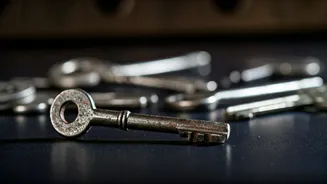
Understanding how bank locker keys operate is crucial in grasping the security measures implemented by banks. Typically, a bank locker requires two keys to be opened – one held by the customer and another, a master key, held by the bank. When accessing the locker, both the customer key and the bank's master key must be used simultaneously. This dual-key system enhances security, as one key alone cannot open the locker. The customer's key, therefore, grants individual access, while the bank's key is a necessary fail-safe. Moreover, keys are often uniquely coded, reducing the risk of unauthorized duplication. Banks may use advanced key management systems to track key usage and ensure accountability. This includes maintaining records of who has accessed the locker and when. The master key, carefully controlled, is usually kept in a secure location within the bank, and is handled by authorized personnel only. This system of control is meticulously designed to prevent any single point of failure in the security infrastructure. Also, modern locker systems are sometimes equipped with electronic monitoring and surveillance, which adds another layer of security. This combined approach of physical keys, key control, and monitoring is designed to secure customer valuables.