





Auspicious Beginning: April 14th
In 2026, the Tamil New Year, known as Puthandu or Varusha Pirappu, will grace us on Tuesday, April 14th. This date is determined by the Sankranti moment,
precisely at 09:39 AM, signaling the commencement of Tamil Shaka Samvata 1948. This specific timing marks the Sun's transition into the zodiac sign of Aries (Mesha), a deeply significant astrological event that initiates the Tamil solar calendar year. It represents a powerful moment for fresh starts and setting intentions for the year ahead, aligning with the natural cycles of the earth and the celestial movements. This calculated and auspicious start underscores the festival's connection to both astronomical precision and cultural reverence, ensuring the year begins with positive energy and clear purpose, embracing the spirit of renewal that Puthandu embodies for the Tamil community.
Roots in Harvest and Renewal
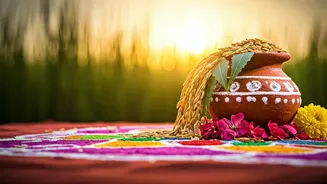
The origins of Puthandu stretch back to the ancient Sangam period, a foundational era for Tamil culture and history. This festival was established to coincide with and honor the vibrant harvest season, intrinsically linked to the agricultural rhythms of the region. The month of Chithirai, during which Puthandu falls, is a period of significant growth and rejuvenation, especially for the fertile lands of Tamil Nadu. It symbolizes the culmination of agricultural efforts and the bounty reaped from the soil. Furthermore, Puthandu marks a crucial solar transition, signifying the Sun’s entry into Aries, which heralds the start of the Tamil New Year. This alignment with natural cycles makes it an opportune time for individuals to reflect on their personal journeys, resolve to overcome past challenges, and embrace the future with renewed optimism and enthusiasm. It’s a celebration deeply rooted in the land and the blessings it provides, fostering a sense of gratitude and continuity.
Distinct Tamil Traditions
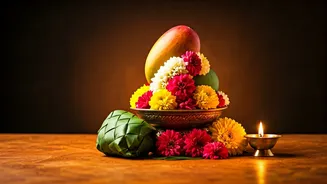
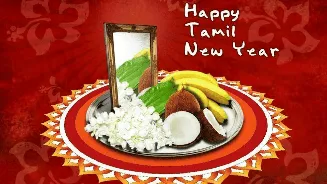
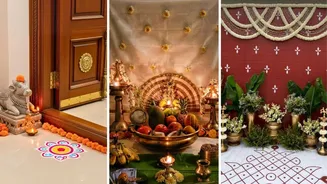
Puthandu is distinguished from other regional New Year celebrations, such as Ugadi in Andhra Pradesh and Telangana or Poila Baisakh in West Bengal, by its placement just after the solar equinox, firmly anchoring it as the commencement of the agricultural year. The festivities typically begin the evening prior, with households being adorned with intricate Kolam designs, meticulously crafted from colored rice powder. These beautiful patterns are more than just decorations; they are believed to invite good fortune and prosperity into the home. A central ritual involves the 'Puthandu Tray,' a beautifully arranged collection of auspicious items including fruits, flowers, coins, and a mirror, placed before a deity to seek blessings for the coming year. The day itself commences with an invigorating herbal or turmeric bath, intended to purify the body and spirit before attending temple visits to offer prayers and receive blessings from elders. The exchange of warm greetings, such as "Puthandu Vazthukal," further strengthens the bonds of community and kinship, encapsulating the festive spirit of renewal and shared joy.
Culinary Delights and Reflections
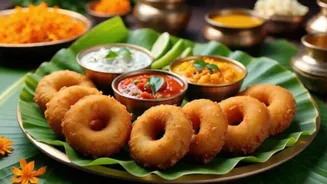
The culinary aspect of Puthandu is rich and symbolic, with special dishes meticulously prepared to represent the spectrum of life's experiences. Amongst these, mango pachadi, a sweet and sour relish, stands out, embodying the idea that life, like the dish, comprises both sweetness and bitterness, advocating for balance and acceptance. Other traditional delicacies like vatha kuzambu and sundal, along with the sweet dessert payasam, are integral to the feast. These dishes are not merely for sustenance but are crafted to symbolize the harmony and equilibrium needed in the year ahead. Beyond the feasts and rituals, Puthandu serves as a profound occasion for introspection. It's a time for Tamils to reflect on their life's trajectory, to formulate new aspirations, and to reinforce familial connections. This festival is a vibrant testament to their enduring cultural heritage, celebrating their deep agrarian roots and offering heartfelt gratitude for the fruits of their labor, all while embracing the promise of a new beginning.