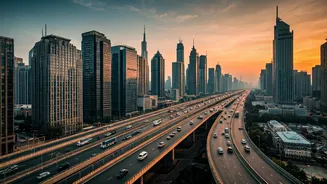

City Commute Challenges
Commuting in numerous Asian cities presents significant challenges, including extensive travel times. Factors like dense populations, complex transportation
networks, and inadequate infrastructure often contribute to these extended commutes. Understanding these challenges provides insight into how urban planning and transportation systems directly affect the daily experiences of residents. Addressing these issues could greatly improve the quality of life for millions of people. Analyzing traffic congestion, the availability of public transport, and the overall urban layout helps determine the specific hurdles faced by commuters in different cities. Furthermore, considering the economic implications of prolonged commuting times is essential for fostering sustainable urban development. The goal is to identify strategies that boost efficiency and minimize the negative impact on individuals and communities.
Tokyo's Commute Times
Tokyo frequently ranks among the cities with the longest commute times in Asia, reflecting the scale of its population and the sprawling nature of its metropolitan area. Many Tokyo residents spend considerable time traveling to and from work each day, with the average commute often exceeding an hour. The city's efficient public transport system, including extensive rail and subway networks, is key in managing the massive movement of people. Despite this, congestion and long distances still result in extended travel periods. The impact of such commutes ranges from individual stress to broader societal implications. Understanding these factors is critical for urban planners, policymakers, and residents seeking to make informed decisions about transportation and lifestyle in Tokyo.
Mumbai's Commute Woes
Mumbai, known for its rapid pace and significant population, also features prominently in the list of Asian cities with extended commute times. The city's congested road networks and over-utilized suburban railway system contribute to daily commuting challenges. Many commuters in Mumbai face long and strenuous journeys, highlighting the urgent need for enhanced transport infrastructure and efficiency improvements. The impact of these commute times on individuals' well-being and productivity is substantial. The development of infrastructure, improved traffic management, and potential policy changes could significantly reduce commute times. The goal is to provide a better quality of life for Mumbai residents, enabling them to reclaim valuable time currently spent navigating the city’s dense transport networks.
Bangkok's Traffic Troubles
Bangkok is notorious for its traffic congestion, causing lengthy commute times for both private and public transportation users. Factors like inadequate road capacity, the popularity of private vehicles, and limited public transport options contribute to these delays. Daily commuters spend a significant portion of their time stuck in traffic, impacting their work, personal lives, and overall well-being. The city has made efforts to improve its transportation system, including expanding the Skytrain and subway networks. However, more extensive measures are needed to handle the growing population and number of vehicles. Strategies like investing in public transit, optimizing traffic flow, and promoting alternative commute methods are vital to reduce the impact of these time-consuming commutes.
Other Cities Analyzed
Besides Tokyo, Mumbai, and Bangkok, other Asian cities experience similar commute-related difficulties. Cities like Jakarta, Manila, and Seoul also encounter traffic problems and extended travel times, influenced by population density, limited infrastructure, and urban layout issues. The challenges differ in each city, but the underlying themes—such as the need for improved public transportation, better traffic management, and urban planning—are consistent. The experiences of commuters in these cities emphasize the importance of adopting practical solutions. Exploring these cities provides a comprehensive view of the challenges, encouraging a deeper understanding and sparking innovative strategies to address commute-related issues. Focusing on sustainability and efficiency will play a critical role in shaping the future of urban mobility.
Factors to Consider
Several key factors influence commute times in these Asian cities, starting with population density, which directly affects traffic volume and network congestion. The effectiveness of public transport systems, including rail, bus, and subway networks, has a significant influence. Road infrastructure, encompassing road networks and traffic management, is essential. Urban planning decisions, like city layout and the placement of residential and commercial areas, also affect commute lengths. Economic activities influence commuting patterns, with employment centers influencing travel flows. Policy and investment strategies, particularly in public transport and infrastructure projects, can substantially impact commute times, and influence people's overall quality of life.
Impacts of Long Commutes
Lengthy commutes have numerous impacts on individuals and communities in these Asian cities. Commuters often experience increased stress, fatigue, and reduced work-life balance due to the time and effort required to travel. The physical and mental strain can lead to health issues and decreased productivity. In addition, extended commutes affect the environment, contributing to increased pollution and fuel consumption. Community interactions can be reduced, as individuals have less time for social activities and local engagement. Understanding these impacts highlights the significance of developing effective solutions for reducing commute times. Prioritizing sustainable transport, offering flexible working arrangements, and implementing effective city planning strategies are crucial to lessen the negative consequences.
Solutions & Innovations
Many strategies and innovations are being developed to reduce commute times. Investing in public transportation, such as expanding rail networks and improving bus systems, is a key step. Implementing smart traffic management systems, including real-time traffic monitoring and optimized signal control, can reduce congestion. Promoting cycling and walking infrastructure to provide sustainable commute options. Encouraging flexible working arrangements, such as remote work, which reduces the need for daily commutes. Adopting transit-oriented development, which places residential, commercial, and recreational areas near public transport hubs, enables shorter commutes. Investing in these innovative solutions promises improved commutes and enhanced quality of life for city dwellers.
Government & Policy Role
Governments and policymakers have a key role to play in tackling extended commute times by creating and implementing effective policies. Investing in infrastructure is crucial, and this includes expanding and upgrading public transit networks, building new roads, and improving traffic management. Developing and executing urban planning strategies to manage city growth and transport flow efficiently is crucial. Policy measures such as congestion pricing, encouraging alternative modes of transport, and supporting flexible working arrangements can also reduce commute times. Effective collaboration between different government bodies and the private sector is crucial to create comprehensive and sustainable solutions. Governments can create a better urban environment by using effective policies and plans.
Future of Commuting
The future of commuting in Asian cities is poised for major changes through technological developments and sustainability-focused approaches. Advancements in intelligent transportation systems, like autonomous vehicles and data-driven traffic management, will potentially optimize traffic flow and reduce congestion. The growth of electric vehicles and sustainable transport options, like cycling and walking, can reduce pollution. Urban planning strategies that emphasize mixed-use developments and transit-oriented projects, enabling people to live closer to their workplaces and access public transport. Efforts to encourage flexible working arrangements, supported by technology, could also become prevalent. These advances have the potential to significantly improve the commuting experience, improving quality of life and sustainability.