





The Indian Heart Crisis
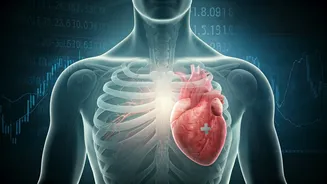
Cardiovascular diseases present a growing challenge in India, striking at younger ages compared to Western populations. A 2020 study in the National Library
of Medicine highlighted this alarming trend, noting that Indians experience earlier onset, faster progression, and higher mortality rates from heart conditions. The prevalence of Coronary Artery Disease (CAD) is particularly high among Indians, yet conventional risk factors often fall short in explaining this elevated risk. This suggests that lifestyle and dietary habits play a critical, often underestimated, role in predisposing individuals to heart ailments. These subtle, everyday food choices can accumulate over time, contributing to underlying issues like inflammation, impaired insulin sensitivity, unhealthy abdominal fat, and compromised arterial health, often without immediate discernible symptoms. The source of these issues is frequently found in our kitchens, stemming from consistent dietary patterns rather than isolated incidents.
Dr. Arora's 5 Dietary Mistakes
Dr. Brijmohan Arora, a diabetologist based in New Delhi, has identified five common dietary errors that may silently compromise heart health and increase the likelihood of sudden heart attacks. He emphasizes that these mistakes act from within, often showing no outward signs until a critical event occurs. According to his insights shared on Instagram, the problematic food categories include 'seed oils,' 'ultra-processed/packet food,' 'sugary drinks,' 'refined grains (bread, pasta, white flour),' and 'processed meats.' Dr. Arora asserts that these items are significant contributors to insulin resistance, chronic inflammation, the accumulation of visceral fat (fat around organs), and damage to the arteries. He posits that by rectifying metabolic imbalances often caused by these foods, individuals can substantially reduce their risk of heart disease and avoid sudden cardiac events.
Decoding the Science
While Dr. Arora's warnings are direct, understanding the scientific backing is crucial. Dr. Jagadish Hiremath, a public health advocate, explains that the link between diet and cardiovascular health is indeed robust, though it largely stems from overall dietary patterns rather than singular foods. Extensive research and meta-analyses consistently indicate that high consumption of processed meats and refined carbohydrates is associated with a greater risk of heart disease. This is attributed to their higher content of saturated fats, sodium, preservatives, and their tendency to cause rapid spikes in blood sugar, which can disrupt metabolic function. The role of seed oils is more complex; generally, replacing saturated fats with unsaturated fats, including those in common vegetable oils, can be beneficial for lowering LDL cholesterol. Issues typically arise when these oils are subjected to repeated high-heat cooking or when they are a primary component of ultra-processed foods.
Quantity, Context, and Balance
Dr. Hiremath further clarifies that the impact of certain foods is significantly influenced by how much is consumed, how they are prepared, and the overall dietary framework. Occasional enjoyment of these foods within an otherwise balanced and healthy eating plan is unlikely to pose a significant threat to heart attack risk. However, frequent consumption, especially when coupled with a sedentary lifestyle, smoking, and obesity, substantially elevates the risk over time. This underscores the importance of moderation and context. A diet rich in whole foods, with limited intake of processed items and refined carbohydrates, alongside regular physical activity, is key to mitigating these risks. The cumulative effect of dietary choices, within the broader context of one's lifestyle, is what ultimately determines cardiovascular health outcomes.
Insulin Resistance & Inflammation
At the core of many modern cardiovascular issues lie insulin resistance and chronic, low-grade inflammation. Dr. Hiremath explains that when the body struggles to respond effectively to insulin, blood glucose and insulin levels remain elevated. This persistent state can inflict damage on the delicate lining of blood vessels, promote the buildup of arterial plaque, and accelerate the development of atherosclerosis, or hardening of the arteries. Concurrently, ongoing inflammation can destabilize existing plaque deposits within the arteries, making them more prone to rupture. Such ruptures are often the immediate trigger for heart attacks. The positive aspect is that these detrimental processes are highly amenable to intervention. Strategic dietary adjustments, including a reduction in refined sugars, limiting processed foods, increasing dietary fiber, and incorporating healthy fats from sources like nuts, seeds, and fatty fish, can notably enhance insulin sensitivity within a timeframe of weeks to months. These improvements are further amplified by weight management, consistent physical activity, and sufficient sleep.