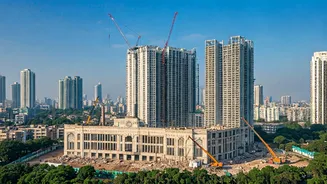

A City in Flux
The dynamic city of Mumbai is perpetually in a state of evolution, with its urban landscape constantly adapting. Recent trends are showing an interesting
shift within the bustling city, particularly in the realm of real estate and entertainment. A noteworthy transformation is underway as iconic Bollywood studios, long considered cornerstones of the entertainment industry, are being displaced by the emergence of residential housing projects. This conversion mirrors a broader shift in the city's dynamics, illustrating the interplay between industry, economy, and urban growth. As the city continues to modernize, this transformation reflects the need for adapting to new demands and economic realities. The once-untouchable studios are now becoming prime real estate.
Reasons Behind the Shift
Several factors are contributing to this significant shift in Mumbai's landscape. A primary catalyst is the allure of real estate. Mumbai's property market is highly valuable, and developers are constantly seeking opportunities to capitalize on this demand. The strategic locations of many studios, which are frequently situated in prime areas, have made them attractive targets for conversion into residential spaces. Furthermore, the economic dynamics of the film industry also play a crucial role. The cost of maintaining these large studio complexes, coupled with the fluctuations in film production cycles, can present financial burdens. Developers recognize the economic potential of converting these properties, given the potential profitability of residential projects. This convergence of real estate value and industry economics is driving the change.
Impact on Bollywood
The conversion of Bollywood studios into housing projects undoubtedly leaves an impact on the film industry. The availability of studio space is diminishing, potentially raising production costs and influencing the ease of film creation. It can also lead to a shift in the physical infrastructure of the industry, as filmmakers may need to adapt to new shooting locations and studio arrangements. This transformation will probably drive the need for alternative production models, possibly pushing the industry towards more mobile or technologically advanced filming methods. Moreover, this movement could influence the very character of Bollywood, reshaping the way the industry is perceived and operated. The industry might have to rethink its traditional methods.
Real Estate Implications
The real estate market in Mumbai is greatly affected by the conversion of Bollywood studios. The introduction of new housing projects in these prime locations is a boon for the real estate sector, adding to the city's housing inventory. This shift can influence property values, as the availability of new residential units affects supply and demand dynamics. Additionally, it could shape the urban landscape, leading to a change in the demographic and economic profile of the neighborhoods where the studios once stood. The repurposing of land formerly used for film production signifies a broader trend of urban development and the changing requirements of the city's population. This alteration has the power to reshape the city's growth.
Looking Ahead
As Bollywood studios continue to transition into housing projects, both the film industry and the real estate sector will face evolving prospects. The ability of Bollywood to adapt to this new situation will be essential. This may involve seeking more cost-effective solutions for production and utilizing technological advancements. Simultaneously, the real estate market is expected to remain dynamic. The development of new residential spaces will continue to be driven by the city's growing population and demand. The shift presents both difficulties and chances. It will affect the future trajectory of Mumbai's entertainment and urban landscapes.