






Sunlight Blockage
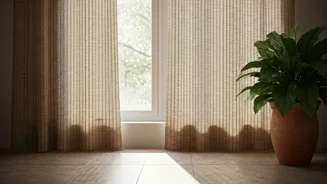
Combat the intense summer sun by strategically using light-colored curtains and blinds. Traditional practices, seen from Rajasthan's grand havelis to Kerala's
humble abodes, involve employing cotton drapes or bamboo chiks to reflect a substantial portion of solar radiation, typically between 40% and 60%, especially during the crucial hours of 10 am to 4 pm. For optimal results, keep windows facing east and west shielded during peak sunlight and consider sheer white fabrics that allow diffused light to enter while maintaining a cooler ambiance. In regions like Kerala, a clever adaptation involves dampening 'khus' curtains overnight; as the water evaporates, it actively cools the surrounding air, offering a refreshing drop in room temperature by morning.
Cross-Ventilation Magic
Embrace the power of natural airflow by creating 'wind tunnels' within your home. This age-old strategy, prevalent in states like Tamil Nadu and Gujarat, involves a simple evening ritual: once the ambient temperature drops after 8 pm, residents open opposing windows and doors. This setup effectively expels the day's accumulated hot air and draws in the cooler night breeze, significantly improving circulation. To further enhance this effect, strategically placed pedestal fans can be utilized to actively pull the refreshing outdoor air into the living spaces, creating a pleasant and cooler environment.
Indoor Greenery Boost
Integrate the cooling power of nature by introducing indoor plants into your living spaces. While cities like Bengaluru may historically have enjoyed milder climates, the increasing intensity of summer heat due to climate change necessitates such measures. Plants such as areca palms, snake plants, ferns, and money plants, when clustered near windows, offer a dual benefit. Through transpiration, they release moisture into the air, contributing to evaporative cooling, and simultaneously purifying the air. Furthermore, their foliage provides a natural canopy, offering a gentle shade that further contributes to a cooler indoor atmosphere.
Evaporative Cooling Tricks
Harness the simple yet effective principle of evaporative cooling using water. In regions like Punjab and Uttar Pradesh, a time-honored technique involves placing shallow terracotta trays, pots, or even wet clay bowls in proximity to fans. As the fan circulates air, the water within these containers evaporates, mimicking the function of traditional desert coolers and lowering the ambient temperature. An additional practice involves misting or mopping the floors in the evening; this simple act releases moisture into the air, which cools the room considerably as it evaporates, creating a more comfortable environment for sleeping.
Fabric & Appliance Choices
Make conscious choices about your home's furnishings and your daily routines to minimize heat retention. During the sweltering summer months, particularly in coastal areas like Goa and Mumbai, it's advisable to switch from heavy or synthetic bedding and upholstery to lighter, breathable materials such as cotton and linen. These natural fabrics absorb significantly less heat throughout the day. Furthermore, curtailing activities that generate heat, like extensive cooking that utilizes gas, is crucial as it warms up the entire home. Opting for room-temperature meals or dishes that are inherently cooler can also contribute to your personal comfort by helping to regulate your body temperature internally.