





The Cellular Power-Up
Red light therapy, also known as low-level light therapy (LLLT), leverages specific wavelengths of red and near-infrared light to invigorate cellular functions.
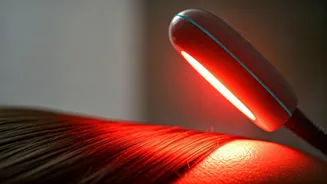
This isn't about superficial treatment; the light penetrates the skin's surface to reach the mitochondria, the energy powerhouses within our cells. By boosting ATP production, this process significantly enhances the cells' ability to repair themselves and regenerate. For your skin, this translates into a more robust production of collagen, a reduction in inflammation, and an overall improvement in texture over time. When applied to the scalp, the therapy enhances blood circulation and reduces inflammation, creating an optimal environment for hair follicles to thrive and potentially grow healthier, stronger hair.
Boosting Hair Growth
The efficacy of red light therapy for hair growth, particularly in cases of androgenetic alopecia and early-stage thinning, is supported by scientific evidence. It acts by stimulating dormant hair follicles, potentially extending the active growth phase of the hair cycle. However, it's crucial to maintain realistic expectations; this therapy is not a cure for advanced baldness and should not be seen as a replacement for necessary medical treatments. Instead, it functions most effectively as a complementary approach, enhancing the results of other interventions and promoting a healthier scalp environment that encourages better hair regeneration.
Safety and Duration
Sania Mirza's practice of sitting under red light for approximately 30 minutes aligns with typical durations used in controlled clinical settings, which usually range from 10 to 30 minutes. Medical-grade devices are carefully calibrated to ensure safety during these sessions. However, caution is advised against excessive or unsupervised use, particularly with high-intensity devices, as this could potentially lead to skin dryness, mild irritation, or headaches. Consistency in application is generally considered more vital than prolonged, infrequent sessions. For those new to red light therapy, seeking professional guidance, especially before embarking on a regimen, is highly recommended to ensure optimal and safe results.
Who Can Benefit?
Red light therapy is generally well-tolerated across most skin types. Nevertheless, certain individuals should exercise caution and consult a dermatologist before commencing treatment. This includes those with photosensitive conditions, active skin infections, or individuals undergoing treatment with medications known to increase sensitivity to light. It's important to remember that red light therapy is not a singular solution for skin or hair concerns. Its greatest effectiveness is achieved when integrated into a comprehensive wellness routine that encompasses proper skincare, balanced nutrition, diligent scalp care practices, and consistent sun protection measures.