






Importance of Hydration
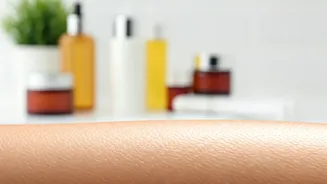
Hydration is the cornerstone of healthy, glowing skin. Think of your skin as a garden; without sufficient water, it becomes parched and lifeless. Similarly,
when the skin lacks moisture, it can appear dry, flaky, and dull. Proper hydration helps maintain the skin's natural barrier function, protecting it from environmental stressors and preventing moisture loss. This, in turn, keeps the skin supple and elastic, reducing the appearance of fine lines and wrinkles. Furthermore, hydrated skin reflects light better, giving it a healthy, radiant glow. It’s like a well-watered plant versus a thirsty one: the difference in vitality is immediately noticeable. Maintaining adequate hydration through the use of moisturizers ensures your skin is equipped to perform its many functions and remain vibrant.
Understanding Moisturizers
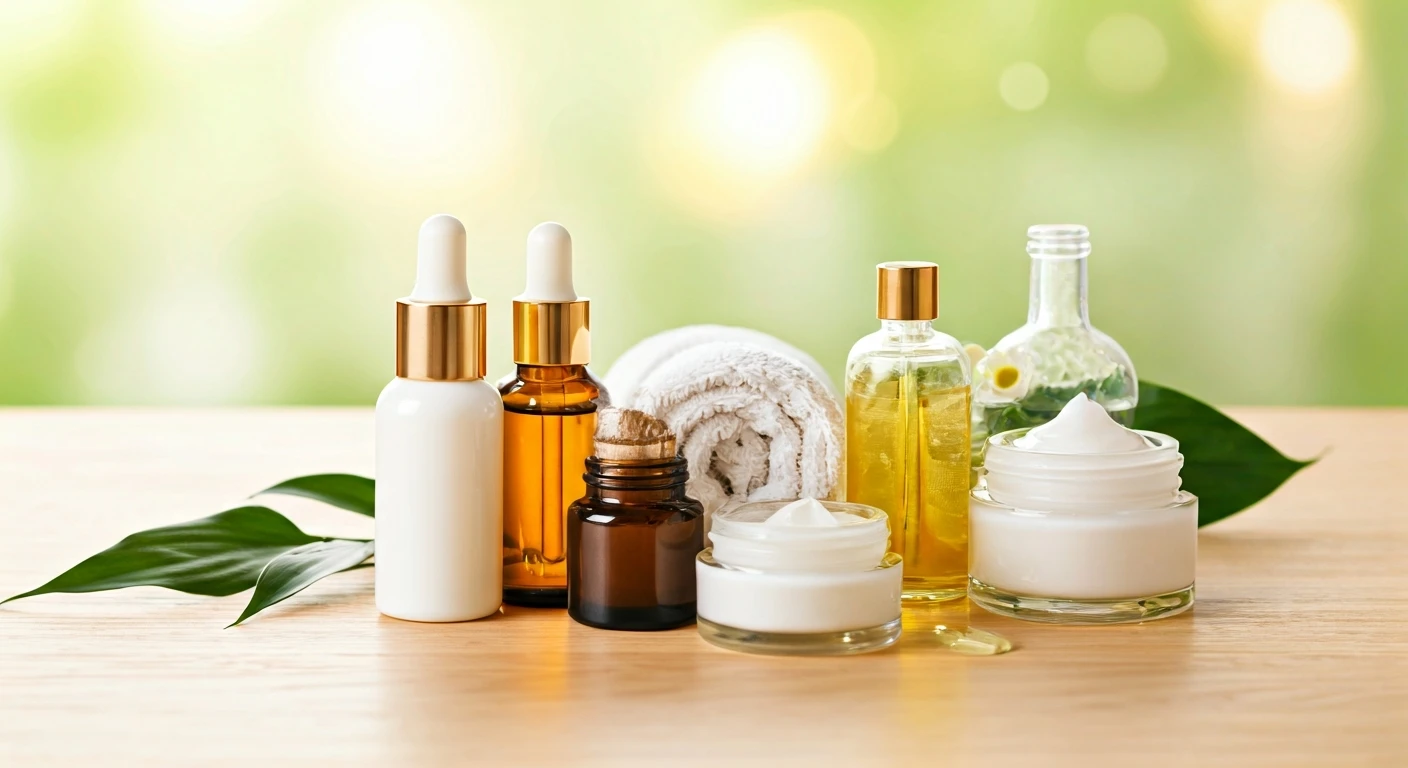
Moisturizers come in various forms, each designed to cater to different skin needs. Lotions, for instance, are typically lightweight and easily absorbed, making them ideal for normal to slightly dry skin. Creams, on the other hand, are richer and contain a higher concentration of oils, which is beneficial for dry skin types. Gels are often oil-free and water-based, offering hydration without a greasy feel, making them a great choice for oily or acne-prone skin. The primary function of a moisturizer is to hydrate the skin and prevent water loss. They achieve this through a combination of humectants, which draw moisture from the environment into the skin, emollients, which soften and smooth the skin by filling in gaps between skin cells, and occlusives, which create a protective barrier to lock in moisture. Selecting the right type of moisturizer depends on your skin type and specific concerns.
Choosing the Right Product
Selecting the appropriate moisturizer involves understanding your skin type and its unique needs. If you have dry skin, look for rich creams that contain emollients like shea butter or ceramides, which help to replenish the skin’s natural oils and strengthen the skin barrier. For oily skin, consider lightweight, oil-free gels or lotions that provide hydration without clogging pores. Those with combination skin may benefit from using different moisturizers on different areas of their face, such as a richer cream for dry patches and a lighter lotion for the T-zone. Ingredients play a crucial role. Look for products with ingredients like hyaluronic acid (a powerful humectant), glycerin, and ceramides. Always read the product label and consider your skin’s specific needs before making a purchase. Consulting a dermatologist can also help you determine the best product for your skin type and concerns.
Application Techniques
Proper application of moisturizer is just as important as choosing the right product. The best time to apply moisturizer is immediately after cleansing your face, when your skin is still slightly damp. This helps to lock in moisture. Gently pat your skin dry with a soft towel, leaving a bit of moisture on the surface. Apply a small amount of moisturizer to your fingertips and gently massage it onto your face and neck using upward circular motions. This helps to stimulate circulation and promote absorption. Don't forget to extend the moisturizer to your neck and décolletage, as these areas also benefit from hydration. Be consistent with your application, moisturizing twice daily, in the morning and evening, to maintain optimal skin hydration and keep your skin feeling supple and comfortable.
Lifestyle and Hydration
Beyond topical moisturizers, your lifestyle habits significantly influence your skin's hydration levels. Drinking plenty of water is essential for maintaining overall skin health and radiance. Aim for at least eight glasses of water per day to keep your body and skin well-hydrated. The environment also plays a crucial role. Exposure to harsh weather conditions, such as sun, wind, and cold, can strip the skin of its natural moisture. Protect your skin by using sunscreen daily, wearing protective clothing, and, in dry environments, consider using a humidifier to add moisture to the air. Diet also impacts skin health; a balanced diet rich in fruits, vegetables, and healthy fats provides essential nutrients that support skin hydration and overall well-being. By integrating these practices into your daily routine, you can further enhance your skin's ability to retain moisture and maintain a healthy, glowing appearance.