





Engineering Above Clouds
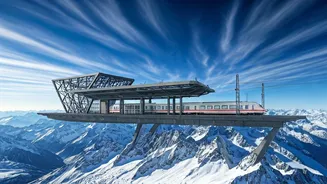
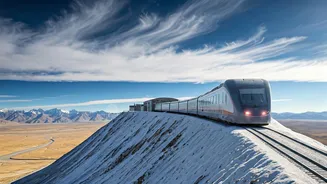
Perched an astonishing 5,068 meters above sea level, Tanggula Railway Station in Tibet stands as a testament to human ingenuity in overcoming extreme environmental
challenges. This facility is a critical component of the Qinghai–Tibet Railway, one of the longest high-altitude railways globally. The air at this elevation is a stark 40% thinner than at sea level, demanding specialized technology and construction methods. It’s important to note that while many might think of India’s Ghum Station, which is a significant historical site, Tanggula holds the undisputed Guinness World Record for being the highest railway station on Earth, dwarfing Ghum’s altitude by more than double.
Beyond the Summit Myth
The iconic stone marker at Tanggula Railway Station immediately signifies its colossal elevation, surpassing even the renowned Mont Blanc and most peaks within the Rocky Mountains. Many international travelers mistakenly attribute the 'world's highest' title to India’s Ghum Station. While Ghum is a picturesque UNESCO World Heritage site, its elevation of 2,258 meters is considerably lower than Tanggula's impressive 5,068 meters. This significant difference highlights the remarkable scale of the Qinghai–Tibet Railway project and its audacious reach into previously inaccessible territories. Tanggula's status as the highest is a point of pride and a symbol of advanced engineering capabilities.
Conquering the 'Death Zone'
The unique challenges of constructing and operating a railway station in the 'Death Zone,' characterized by low oxygen levels and unstable permafrost, are immense. To maintain structural integrity, engineers developed an ingenious solution: a sophisticated system of ammonia-based cooling rods embedded in the ground. These passive refrigeration units continuously freeze the soil, preventing the tracks from shifting or buckling as the permafrost undergoes natural thawing and refreezing cycles, especially pertinent given rising global temperatures. This innovative approach ensures the station’s long-term stability and safety for all who traverse this extreme environment.
A Journey in Pressurized Comfort
Passengers traveling on trains serving Tanggula experience a unique journey designed for comfort and safety at extreme altitudes. The trains are fully pressurized, featuring dual oxygen systems. One system provides general oxygen enrichment for the cabin interiors, while individual ports are available for passengers experiencing symptoms of altitude sickness. Even the station's waiting rooms are equipped with enriched oxygen supplies, offering a vital safety buffer for those making a brief stop. This meticulous attention to passenger well-being ensures that the challenging environment of the 'Death Zone' is navigated with a heightened sense of security, making the journey as comfortable as possible.
Panoramic Mountain Views
From the vantage point of Tanggula Railway Station's platform, the majestic Geladandong Peak dominates the horizon. This prominent mountain is also recognized as the source of the mighty Yangtze River, adding a layer of geographical significance to the already breathtaking scenery. The station's strategic placement was intentionally chosen to provide travelers with an unobstructed, panoramic vista of the surrounding Tanggula Mountains. This spectacular natural beauty serves as a powerful reminder of the raw, untamed landscapes that the Qinghai–Tibet Railway has managed to connect and make accessible.
Protecting Wildlife Passages
The construction of the Qinghai–Tibet Railway, including the Tanggula section, involved significant considerations for the local ecosystem. To ensure that the endangered Tibetan Antelope could continue their age-old migration routes without hindrance, designers incorporated 33 dedicated animal passages beneath the railway line near the Tanggula pass. This foresight demonstrates a commitment to coexisting with nature and minimizing the environmental impact of such a monumental infrastructure project. These passages are vital for the survival and traditional movements of the antelope population, showcasing a remarkable blend of engineering and ecological awareness.
Brief Stops, Lasting Memories
Despite its status as the world's highest railway station, most passengers on the Qinghai–Tibet Railway do not actually disembark onto the Tanggula platform. Due to the extreme altitude and the potential for severe altitude sickness, trains typically make only brief stops, often just a few minutes long, primarily for passengers to take photographs. This 'look-but-don't-touch' experience creates a unique dynamic where the train's windows serve as a protective barrier between travelers and the harsh realities of the Earth's highest railway environment. It’s a fleeting yet unforgettable glimpse into one of the planet's most extreme and awe-inspiring locations.