



Adapting Post-Surgery
Actor Rana Daggubati, a recipient of a kidney transplant in 2021, recently offered a candid look into the complexities of life after his surgery. He detailed
the significant adjustments he had to make in both his personal and professional spheres, sharing his insights during an event hosted by doctors in Hyderabad. Known for his powerful performances in blockbusters like 'Baahubali' and 'The Ghazi Attack,' Daggubati's transplant was necessitated by long-standing kidney complications. He underscored the critical importance of consistent medical check-ups and maintaining a healthy lifestyle for individuals who have undergone organ transplantation. Furthermore, the actor shed light on the profound mental and emotional impact that such a life-altering procedure can have, emphasizing the necessity of a robust support network. Daggubati encouraged open conversations about health struggles and advocated for seeking assistance when needed, providing valuable perspectives for other transplant recipients through his honest discussion about recovery and the pursuit of normalcy.
Resuming Work Life
The path to returning to work after a kidney transplant is typically navigable within a two to three-month timeframe, contingent upon an individual's overall health and the nature of their employment. Rana Daggubati himself recently articulated the specific challenges he encountered when attempting to restart his career and the re-evaluation of his priorities that followed his transplant. In a podcast, he elaborated on the adjustments he implemented upon his return to the film industry, which included relinquishing advances for film projects he had committed to prior to his illness, demonstrating a proactive approach to managing his professional commitments during his recovery. This phased return, often beginning with part-time commitments, generally proves most effective. It's crucial to ensure complete wound healing, stable kidney function test results, and a significant improvement in energy levels before considering a return to professional duties.
Rehabilitation Essentials
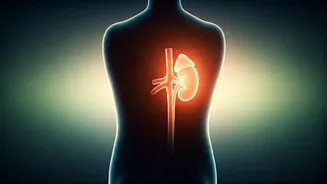
Rebounding successfully after a kidney transplant is a process that demands patience, time, and appropriate medical supervision. While a transplant offers a new chance at life, the recovery journey extends far beyond hospital discharge. The initial months are paramount for healing and safeguarding the transplanted organ. Moreover, a lifetime commitment to follow-up appointments and disciplined adherence to medical advice is essential, as noted by Dr. Jayant Kumar Hota, a senior consultant in nephrology. During the early weeks post-surgery, the body requires substantial rest, with hospital stays typically lasting one to two weeks. Upon returning home, gentle activities like short walks are encouraged to boost circulation, support lung capacity, and minimize the risk of blood clots. However, strenuous activities, including heavy lifting and prolonged driving, should be postponed for at least 10 to 12 weeks, or as directed by the transplant team.
Medication and Diet
Medicines are fundamental to the recovery process post-transplant. Recipients must adhere to a strict daily regimen of immunosuppressant drugs to prevent their body from rejecting the new kidney. These medications, by design, weaken the immune system, thereby elevating the susceptibility to infections. In regions like India, where infection prevalence is notably high, heightened vigilance is critical. Maintaining impeccable hygiene, avoiding crowded environments during the early recovery phase, and promptly reporting any symptoms like fever or persistent cough are vital. Dietary adjustments also play a significant role; a well-balanced diet rich in protein aids healing, while salt intake may need moderation to manage blood pressure. Adequate hydration is important, though specific fluid intake recommendations should be followed as advised by a physician. The consumption of tobacco and alcohol is strongly discouraged due to their detrimental effects on the transplanted kidney.
Emotional Well-being
The emotional landscape following a kidney transplant is as crucial as the physical recovery. It is entirely common for individuals to experience feelings of anxiety or being overwhelmed during this transformative period. A strong network of support from family, coupled with professional counseling when necessary, and consistent engagement with the transplant medical team can significantly bolster confidence and aid in navigating this phase. Addressing these emotional aspects proactively contributes to a more holistic and successful recovery, enabling the recipient to more effectively manage the challenges associated with their new health status and build resilience.
Heart Health Concerns
Kidney transplant recipients must remain vigilant about their cardiovascular health due to several factors. The lifelong immunosuppressant medications, while essential for preventing organ rejection, can lead to elevated blood pressure, particularly in individuals with pre-existing hypertension. High doses of steroids, sometimes administered to prevent rejection, can induce irregular heartbeats and cardiac electrical dysfunction, potentially leading to sudden cardiac events. These medications can also contribute to the development of diabetes and increased cholesterol levels, both significant risk factors for heart disease. The transplant process itself, along with persistent low-grade inflammation, can accelerate the arterial narrowing process. Additionally, post-operative patients are at risk of developing blood clots, which, if dislodged, can travel through the bloodstream and obstruct blood flow to vital organs, potentially triggering strokes.
Hygiene Practices
Given that a kidney transplant recipient's immune system is compromised, rigorously maintaining hygiene is non-negotiable to prevent infections. This necessitates avoiding foods like cut fruits or raw vegetable salads, where bacteria can proliferate rapidly. Opting for steamed or thoroughly cooked food is strongly recommended. This lifelong commitment to cleanliness and meticulous hygiene practices is fundamental to safeguarding the health and well-being of the transplant recipient, minimizing the risk of potentially severe infections that could compromise the success of the transplant.